Bank of Ghana Bars Payment Firms from Using Merchant Funds
The Bank of Ghana has issued a strict reminder prohibiting payment service providers from handling merchant collection funds as operating capital, warning of regulatory enforcement for non-compliance.
 ⚖️Law & Policy
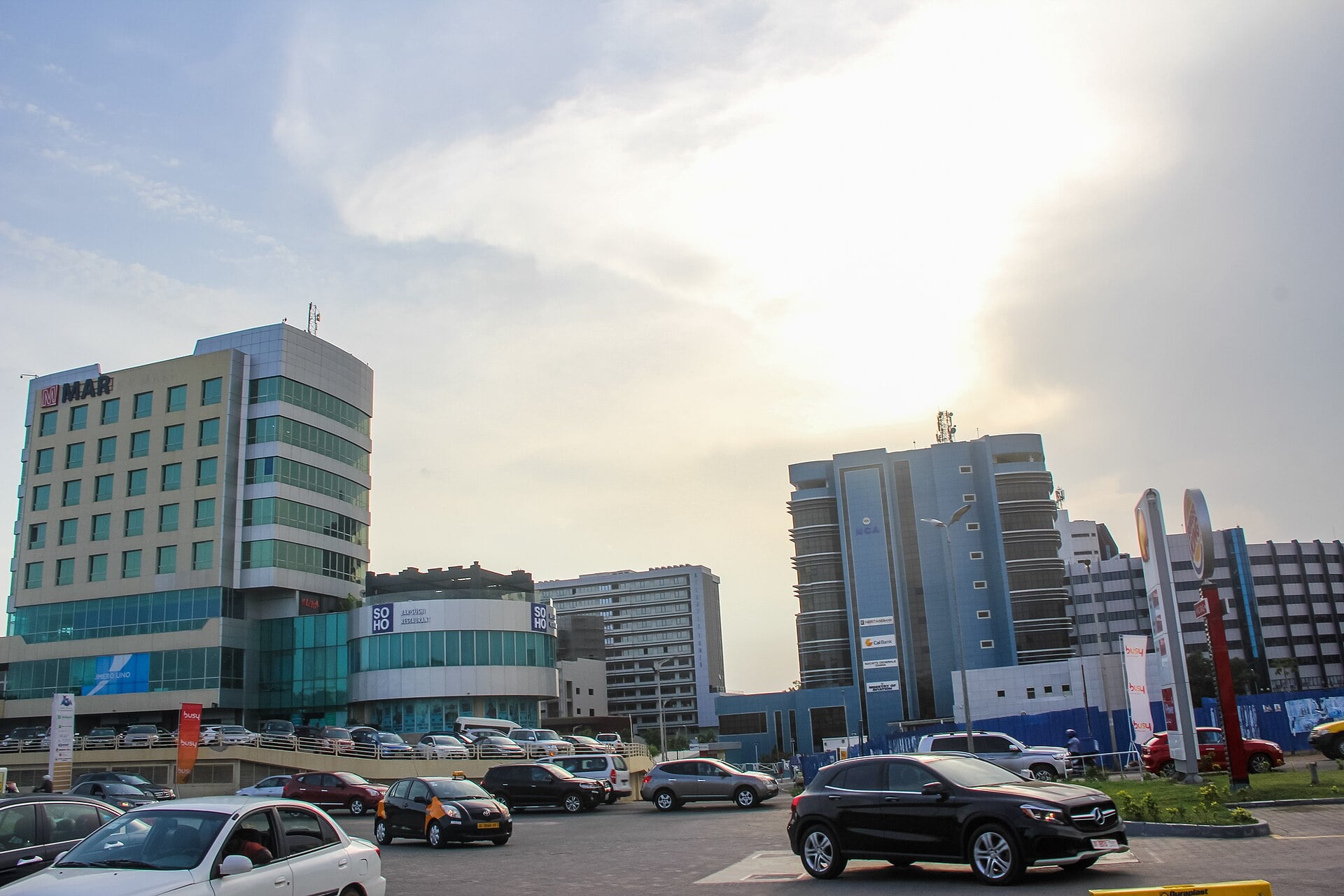
Photo: Rio Times
Key points
- Bank of Ghana issued Notice No. 43 under the Payment Systems and Services Act, 2019.
- Payment service providers are banned from using or pledging merchant funds as operating capital.
- Settlement banks must maintain segregated accounts exclusively for transaction payouts.
The Bank of Ghana has formally instructed licensed payment service providers and settlement banks that funds collected on behalf of merchants remain the sole property of the vendor until settlement is complete. Issued on November 6, 2026, under Notice No. 43 pursuant to Section 101 of the Payment Systems and Services Act of 2019, the directive forbids payment processors from holding, using, pledging, or leveraging merchant money for their own business operations.
Under the new rules, all incoming customer transactions must be channeled directly into designated settlement accounts maintained at approved financial institutions, entirely separate from a provider's operational balance sheets. Payment processors are legally barred from placing liens, withdrawing, or setting off debts against these accounts, with deductions strictly limited to agreed-upon merchant fees processed concurrently with payouts. Settlement banks are similarly mandated to restrict these accounts exclusively to transactional transfers and must maintain comprehensive audit trails for regulatory review.
While the central bank's directive does not outline specific financial penalties or a definitive compliance deadline, it demands that all regulated entities immediately review internal controls and contractual terms to align with statutory obligations. The regulatory action reinforces oversight of financial intermediaries operating within the country's digital commerce infrastructure.
The stakes
Local online retailers, foreign companies selling through Ghanaian processors, and digital payment platforms stand to be most affected by the directive. If compliance is enforced strictly, payment firms lose a potential source of internal liquidity, while merchants gain enhanced financial security knowing their transactional funds are legally segregated.
Two readings
- Supporters read the policy as a vital consumer and merchant protection measure that prevents financial intermediaries from mismanaging funds or exposing client assets to corporate insolvency.
- Critics argue the directive lacks clarity regarding specific implementation timelines and inspection mechanisms, leaving digital payment firms facing sudden operational adjustments without detailed administrative guidance.
Source Rio Times — riotimesonline.com/ghana-bank-of-ghana-merchant-funds-payment-provi… ↗
Read next
 ✒️Opinion & Analysis
ICJ Rules Myanmar Military Committed Genocide Against Rohingya
The International Court of Justice has found Myanmar's military guilty of genocide against the Rohingya, a ruling that damages the international standing of both Aung San…
 🕯️Democracy & Rights
Chinese teachers face rising parental pressure over personal life choices
Chinese educators are encountering a surge in unreasonable demands from parents, including complaints regarding teachers' pregnancy and maternity leave.
 🛡️War & Security
Ukraine Restricts Media Coverage of Infrastructure Damage Amid Russian Strikes
President Volodymyr Zelenskyy has issued a decree prohibiting media outlets from reporting on the impact of Russian strikes against critical infrastructure and the status…
 🏮China & Taiwan
Beijing Reaffirms Reunification Stance Following Taiwan Local Election Results
China’s Taiwan Affairs Office declared that the island’s reunification with the mainland remains inevitable, despite recent shifts in Taiwan's local political landscape.
 🇪🇺Europe
US Air Force Repels Unauthorized Drone Incursion at RAF Lakenheath
U.S. security forces at a British air base successfully countered a group of unidentified drones, amid growing concerns over potential foreign state involvement.
 🕯️Democracy & Rights
Malaysia to Display Artworks Recovered in 1MDB Corruption Scandal
The Malaysian National Art Gallery will exhibit four pieces of art previously linked to the 1MDB financial scandal, following their successful repatriation to the country…