Japan Deploys AI Translators in Prisons to Manage Growing Foreign Inmate Population
The Japanese Justice Ministry has equipped 129 detention facilities with AI translation devices to bridge communication gaps with non-Japanese inmates. This initiative aims to improve rehabilitation efforts and address the challenges of a rising foreign prison population.
 ⚖️Law & Policy
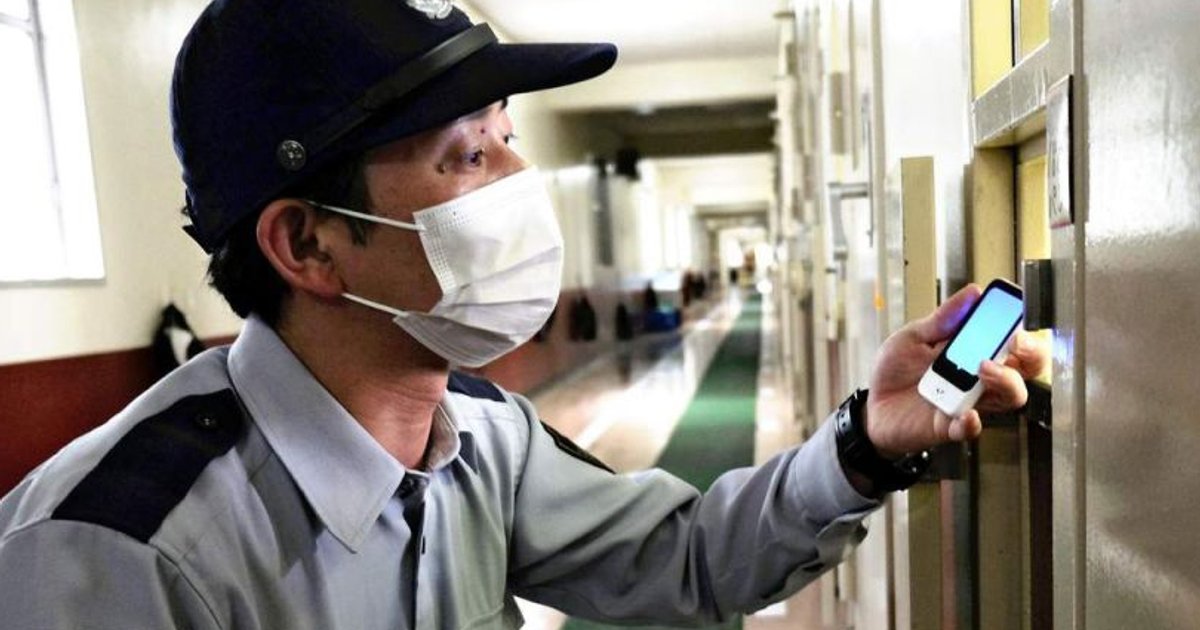
Photo: Straits Times Asia
Key points
- Japan deployed 200 AI translators to 129 prisons to assist non-Japanese inmates.
- The foreign inmate population in Japan has grown by 30% since 2015.
- The initiative aims to improve rehabilitation and vocational training access.
The Japanese Justice Ministry has distributed approximately 200 AI translation devices across 129 correctional facilities to assist prison staff in communicating with inmates who do not speak Japanese. Deployed in August 2025, the palm-sized tools support around 90 languages and are intended to replace reliance on basic gestures, which officials previously identified as a significant source of frustration and misunderstanding within the prison system.
As of late 2025, the number of non-Japanese individuals in custody—including those serving sentences, awaiting trial, or detained for unpaid fines—reached 2,779, marking a 30% increase since 2015. With inmates representing over 20 countries, primarily Vietnam and China, the limited availability of professional interpreters has historically hindered the implementation of vocational training and reform programs. Officials report that the devices have already facilitated better rapport, allowing inmates to ask specific questions about prison regulations and participate more actively in labor programs.
The ministry plans to expand the distribution of these devices in the coming fiscal year, particularly in facilities with high concentrations of foreign nationals. By lowering linguistic barriers, experts suggest the government may be better positioned to offer meaningful rehabilitation and recidivism prevention services to inmates who remain in Japan following their release.
The stakes
The successful integration of AI translation tools could significantly alter the rehabilitation outcomes for Japan's growing foreign inmate population. If the technology effectively bridges the communication gap, it may allow more inmates to access vocational training and specialized reform programs, potentially reducing recidivism rates. Conversely, a failure to scale this technology could leave a vulnerable segment of the prison population isolated from essential administrative and reform-oriented support.
Two readings
- Supporters argue that the devices are a vital tool for humanizing the prison environment, fostering trust, and ensuring that non-Japanese inmates receive equal access to rehabilitation and fair treatment.
- Critics or skeptics may raise concerns regarding data privacy, the accuracy of automated translations in sensitive legal contexts, and whether technology is a sufficient substitute for professional human interpretation.
Source Straits Times Asia — straitstimes.com/asia/east-asia/japanese-prisons-begin-using-ai-tra… ↗
Read next
 ✒️Opinion & Analysis
ICJ Rules Myanmar Military Committed Genocide Against Rohingya
The International Court of Justice has found Myanmar's military guilty of genocide against the Rohingya, a ruling that damages the international standing of both Aung San…
 🕯️Democracy & Rights
Chinese teachers face rising parental pressure over personal life choices
Chinese educators are encountering a surge in unreasonable demands from parents, including complaints regarding teachers' pregnancy and maternity leave.
 🛡️War & Security
Ukraine Restricts Media Coverage of Infrastructure Damage Amid Russian Strikes
President Volodymyr Zelenskyy has issued a decree prohibiting media outlets from reporting on the impact of Russian strikes against critical infrastructure and the status…
 🏮China & Taiwan
Beijing Reaffirms Reunification Stance Following Taiwan Local Election Results
China’s Taiwan Affairs Office declared that the island’s reunification with the mainland remains inevitable, despite recent shifts in Taiwan's local political landscape.
 🇪🇺Europe
US Air Force Repels Unauthorized Drone Incursion at RAF Lakenheath
U.S. security forces at a British air base successfully countered a group of unidentified drones, amid growing concerns over potential foreign state involvement.
 🕯️Democracy & Rights
Malaysia to Display Artworks Recovered in 1MDB Corruption Scandal
The Malaysian National Art Gallery will exhibit four pieces of art previously linked to the 1MDB financial scandal, following their successful repatriation to the country…