Ukraine, Russia, and US Conclude Abu Dhabi Talks Without Ceasefire Agreement
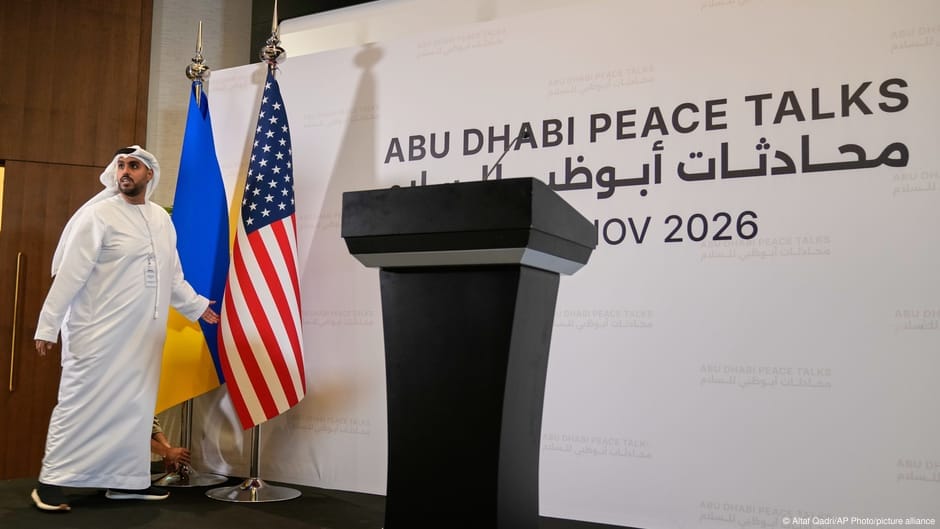
Delegations from Ukraine, Russia, and the United States concluded two days of talks in Abu Dhabi without reaching a ceasefire, though they did agree on a significant prisoner exchange.
 🕊️Russia & Ukraine
Photo: DW English
Key points
- No ceasefire agreement was reached during the Abu Dhabi summit.
- Parties agreed to a major humanitarian prisoner exchange.
- Ukrainian officials denied any discussions regarding territorial concessions.
Negotiators from Ukraine, Russia, and the United States finished two days of discussions in Abu Dhabi on November 11, failing to secure a ceasefire agreement. While the primary goal of ending hostilities remained elusive, the parties reached a consensus on a large-scale prisoner exchange. Jared Kushner, representing the US delegation, confirmed the humanitarian agreement, with specific figures expected to be finalized shortly.
Ukrainian President Volodymyr Zelenskyy noted that security guarantees were a central topic of the discussions, emphasizing that any diplomatic resolution must prioritize ending the war. Davyd Arakhamia, head of Ukraine’s ruling parliamentary faction, characterized the talks as productive, crediting the US mediation for facilitating a structured dialogue despite the rigid stance maintained by the Russian delegation.
However, analysts remain skeptical regarding the long-term impact of these meetings. Experts warn that standard diplomatic rhetoric often masks a lack of genuine progress. Some observers suggest that Moscow may be utilizing the negotiation process to stall for time, while others point to the low probability of a comprehensive peace deal in the near term, given that neither side appears prepared to abandon their core strategic objectives.
The stakes
The successful implementation of the prisoner exchange provides immediate humanitarian relief for families and soldiers, but the failure to secure a ceasefire ensures the continuation of active combat. If these talks serve merely as a stalling tactic, the conflict will likely intensify, further straining international resources and prolonging the humanitarian crisis in the occupied territories.
Two readings
- Supporters view the prisoner exchange as a tangible success and a necessary foundation for building trust in future diplomatic engagements.
- Critics argue the talks are largely performative, serving as a distraction that allows Russia to delay military setbacks while failing to address the fundamental territorial disputes.
Source DW English — dw.com/en/what-have-the-talks-with-russia-and-the-us-in-abu-dhabi-a… ↗
Read next
 ✒️Opinion & Analysis
ICJ Rules Myanmar Military Committed Genocide Against Rohingya
The International Court of Justice has found Myanmar's military guilty of genocide against the Rohingya, a ruling that damages the international standing of both Aung San…
 🕯️Democracy & Rights
Chinese teachers face rising parental pressure over personal life choices
Chinese educators are encountering a surge in unreasonable demands from parents, including complaints regarding teachers' pregnancy and maternity leave.
 🛡️War & Security
Ukraine Restricts Media Coverage of Infrastructure Damage Amid Russian Strikes
President Volodymyr Zelenskyy has issued a decree prohibiting media outlets from reporting on the impact of Russian strikes against critical infrastructure and the status…
 🏮China & Taiwan
Beijing Reaffirms Reunification Stance Following Taiwan Local Election Results
China’s Taiwan Affairs Office declared that the island’s reunification with the mainland remains inevitable, despite recent shifts in Taiwan's local political landscape.
 🇪🇺Europe
US Air Force Repels Unauthorized Drone Incursion at RAF Lakenheath
U.S. security forces at a British air base successfully countered a group of unidentified drones, amid growing concerns over potential foreign state involvement.
 ⚖️Law & Policy
India Government Proposes 50% Increase in Parliamentary Seats and Women's Reservation
The Indian government plans to introduce legislation to expand the Lok Sabha to 850 seats and mandate a 33% reservation for women in legislative bodies.