Hungary's MOL seeks EU funds for Russian oil phase-out
Hungarian energy firm MOL announced it will be technically prepared to end Russian oil imports by late 2027 while petitioning Brussels for financial support to avoid domestic political instability.
 🕊️Russia & Ukraine
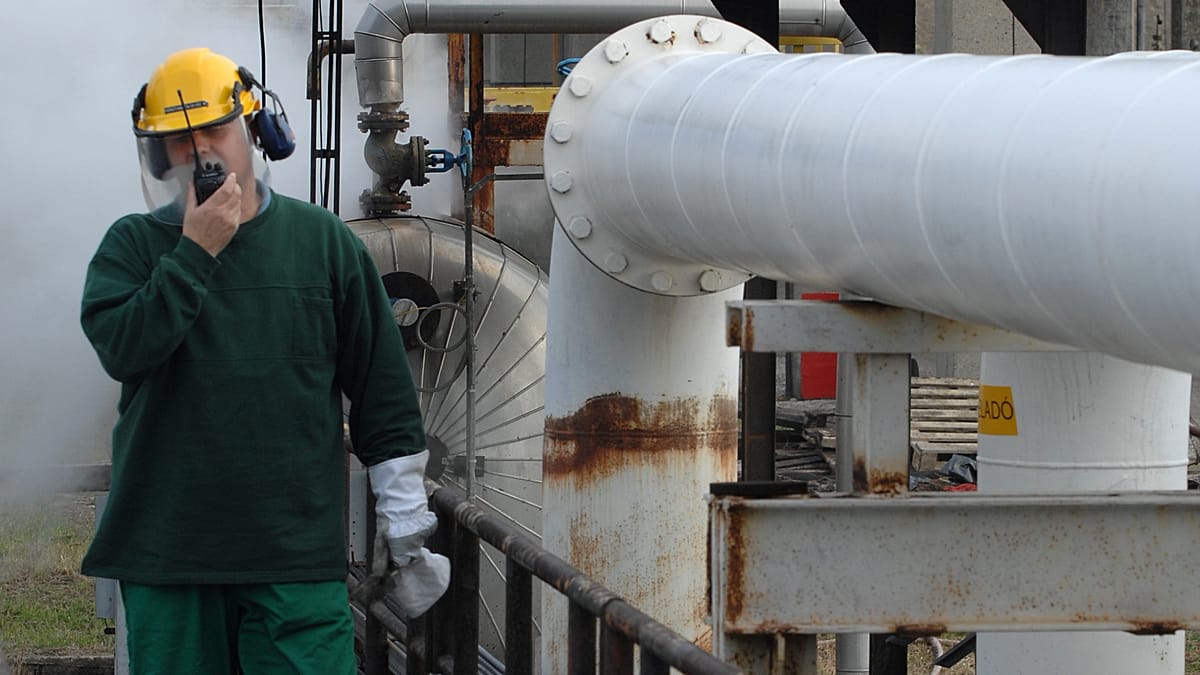
Photo: Euronews
Key points
- MOL targets late 2027 for a technical phase-out of Russian oil.
- Chief Executive György Bacsa warns of potential social unrest and political instability.
- Company seeks EU financial support for energy diversification and pipeline upgrades.
Hungarian energy company MOL announced it will be technically prepared to eliminate Russian oil imports by the end of 2027, urging the European Union to provide financial backing for the transition. Speaking publicly, MOL Chief Executive György Bacsa warned that a swift pivot away from Russian crude risks spiking energy costs, which could spark social unrest and political instability in both Hungary and Slovakia.
While Hungary remains heavily dependent on Russian oil delivered via the Soviet-era Druzhba pipeline, the shift toward requesting EU assistance follows a transition under a new government in Budapest. According to a 2025 IMF study cited in regional assessments, a complete severance of Russian energy supplies could elevate Hungary's energy expenditures by approximately 15 percent by the end of the decade. Meanwhile, domestic fuel prices have climbed sharply this year, intensifying pressure from opposition parties.
MOL emphasized its compliance with existing EU sanctions and pointed to alternative supply routes, including the Adria pipeline through Croatia and potential connections to the TAL pipeline. However, company leadership criticized current EU restrictions on fossil fuel projects that block access to infrastructure funding, arguing that Central and Eastern Europe faces structural disadvantages compared to Western Europe.
The stakes
Hungary and Slovakia stand to gain greater energy security and compliance with broader European directives if the transition succeeds, but they risk severe economic strain and political fallout without targeted EU funding. Conversely, Brussels faces the challenge of balancing strict decarbonization rules against regional security needs to prevent destabilizing economic shocks in Central Europe.
Two readings
- Supporters argue that targeted EU financial assistance is essential to help vulnerable Central European states break free from Moscow's energy leverage without causing domestic hardship.
- Critics contend that regional energy firms delayed necessary infrastructural adaptations for too long and should finance their own transition away from Russian hydrocarbons.
Source Euronews — euronews.com/2026/11/13/hungarys-mol-seeks-eu-funding-as-ceo-warns-… ↗
Read next
 ✒️Opinion & Analysis
ICJ Rules Myanmar Military Committed Genocide Against Rohingya
The International Court of Justice has found Myanmar's military guilty of genocide against the Rohingya, a ruling that damages the international standing of both Aung San…
 🕯️Democracy & Rights
Chinese teachers face rising parental pressure over personal life choices
Chinese educators are encountering a surge in unreasonable demands from parents, including complaints regarding teachers' pregnancy and maternity leave.
 🛡️War & Security
Ukraine Restricts Media Coverage of Infrastructure Damage Amid Russian Strikes
President Volodymyr Zelenskyy has issued a decree prohibiting media outlets from reporting on the impact of Russian strikes against critical infrastructure and the status…
 🏮China & Taiwan
Beijing Reaffirms Reunification Stance Following Taiwan Local Election Results
China’s Taiwan Affairs Office declared that the island’s reunification with the mainland remains inevitable, despite recent shifts in Taiwan's local political landscape.
 🇪🇺Europe
US Air Force Repels Unauthorized Drone Incursion at RAF Lakenheath
U.S. security forces at a British air base successfully countered a group of unidentified drones, amid growing concerns over potential foreign state involvement.
 ⚖️Law & Policy
India Government Proposes 50% Increase in Parliamentary Seats and Women's Reservation
The Indian government plans to introduce legislation to expand the Lok Sabha to 850 seats and mandate a 33% reservation for women in legislative bodies.