Russia Authorizes Brown Bear Cull Quotas Following Fatal Attacks
The Russian Ministry of Natural Resources has established quotas allowing the culling of up to 30% of brown bear populations following a surge in fatal attacks.
 🕊️Russia & Ukraine
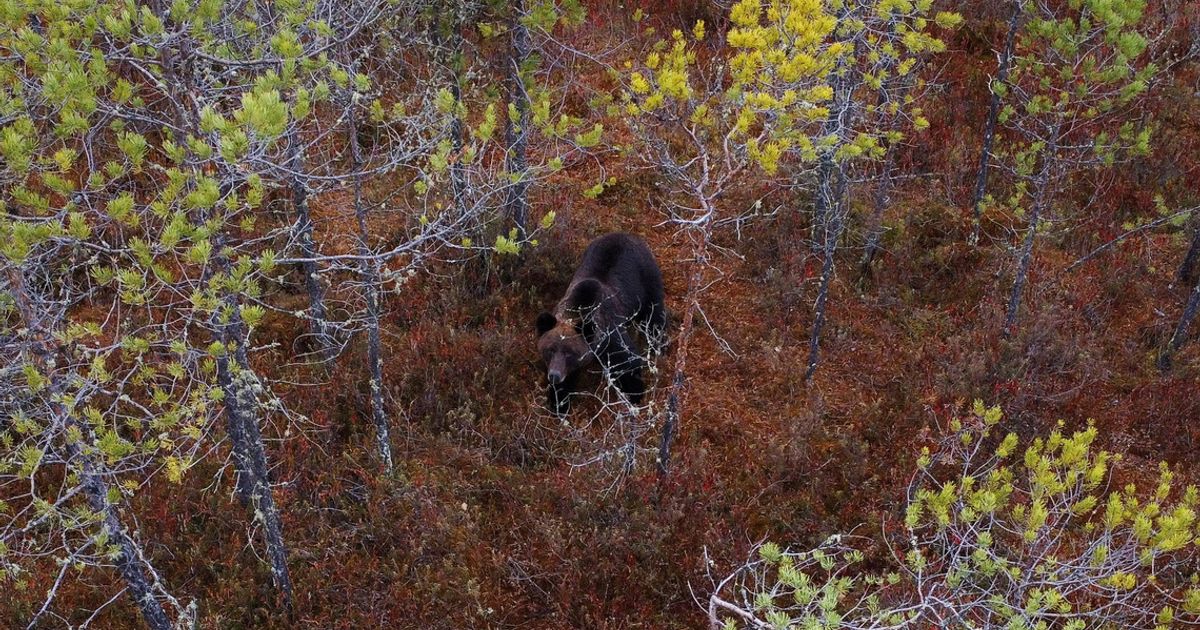
Photo: Straits Times Asia
Key points
- Russian government sets bear culling limit at up to 30% regionally
- Official data reports 36 deaths from 87 bear attacks this year
- Brown bear population has more than doubled over the past 30 years
The Russian government has authorized regional culling quotas permitting the removal of up to 30% of local brown bear populations following a dramatic rise in human-wildlife conflicts that resulted in 36 deaths this year. According to a ministry statement reported by the state RIA news agency, the regulatory framework has already been formally registered with the country's Justice Ministry to help curb safety risks.
Officials registered over 12,000 instances of brown bears approaching populated areas since the start of the year, culminating in 87 separate attacks. Government data indicates that Russia's total brown bear population has more than doubled over the past three decades, driven partly by shorter and milder winter seasons. The Ministry of Natural Resources has allocated funds exceeding the equivalent of $970,000 specifically to target bears that regularly venture near human settlements and feed at municipal landfills.
Under the new nationwide framework, regional quotas vary significantly according to local population densities, including a 14% limit set for the Kamchatka peninsula and a 19% quota designated for the Krasnoyarsk region in western Siberia. State media reports did not specify a concrete timeline for when the authorized culling operations are scheduled to commence or how long the measures will remain active.
The stakes
Regional wildlife authorities and local populations gain immediate regulatory backing and financial resources to mitigate lethal animal encounters, while the regional brown bear population faces a historic reduction in numbers. If implemented broadly, the policy could alter rural safety conditions across Siberia and the Far East, though environmental management challenges will persist around unsecured waste sites.
Two readings
- Supporters read the policy as a necessary and urgent administrative intervention to protect civilian lives and restore public safety after an unprecedented surge in fatal maulings.
- Critics argue that focusing on large-scale culls addresses only the symptom of the crisis, contending that poor waste management and climate-driven habitat shifts require systemic environmental solutions instead.
Source Straits Times Asia — straitstimes.com/asia/russia-sets-cull-limits-to-help-control-bear-… ↗
Read next
 ✒️Opinion & Analysis
ICJ Rules Myanmar Military Committed Genocide Against Rohingya
The International Court of Justice has found Myanmar's military guilty of genocide against the Rohingya, a ruling that damages the international standing of both Aung San…
 🕯️Democracy & Rights
Chinese teachers face rising parental pressure over personal life choices
Chinese educators are encountering a surge in unreasonable demands from parents, including complaints regarding teachers' pregnancy and maternity leave.
 🛡️War & Security
Ukraine Restricts Media Coverage of Infrastructure Damage Amid Russian Strikes
President Volodymyr Zelenskyy has issued a decree prohibiting media outlets from reporting on the impact of Russian strikes against critical infrastructure and the status…
 🏮China & Taiwan
Beijing Reaffirms Reunification Stance Following Taiwan Local Election Results
China’s Taiwan Affairs Office declared that the island’s reunification with the mainland remains inevitable, despite recent shifts in Taiwan's local political landscape.
 🇪🇺Europe
US Air Force Repels Unauthorized Drone Incursion at RAF Lakenheath
U.S. security forces at a British air base successfully countered a group of unidentified drones, amid growing concerns over potential foreign state involvement.
 ⚖️Law & Policy
India Government Proposes 50% Increase in Parliamentary Seats and Women's Reservation
The Indian government plans to introduce legislation to expand the Lok Sabha to 850 seats and mandate a 33% reservation for women in legislative bodies.