Iran and Oman Hold Talks on Maritime Security in Strait of Hormuz
Iranian Foreign Minister Abbas Araqchi visited Oman to discuss the protection of critical maritime trade routes amidst ongoing regional tensions.
 🕊️Russia & Ukraine
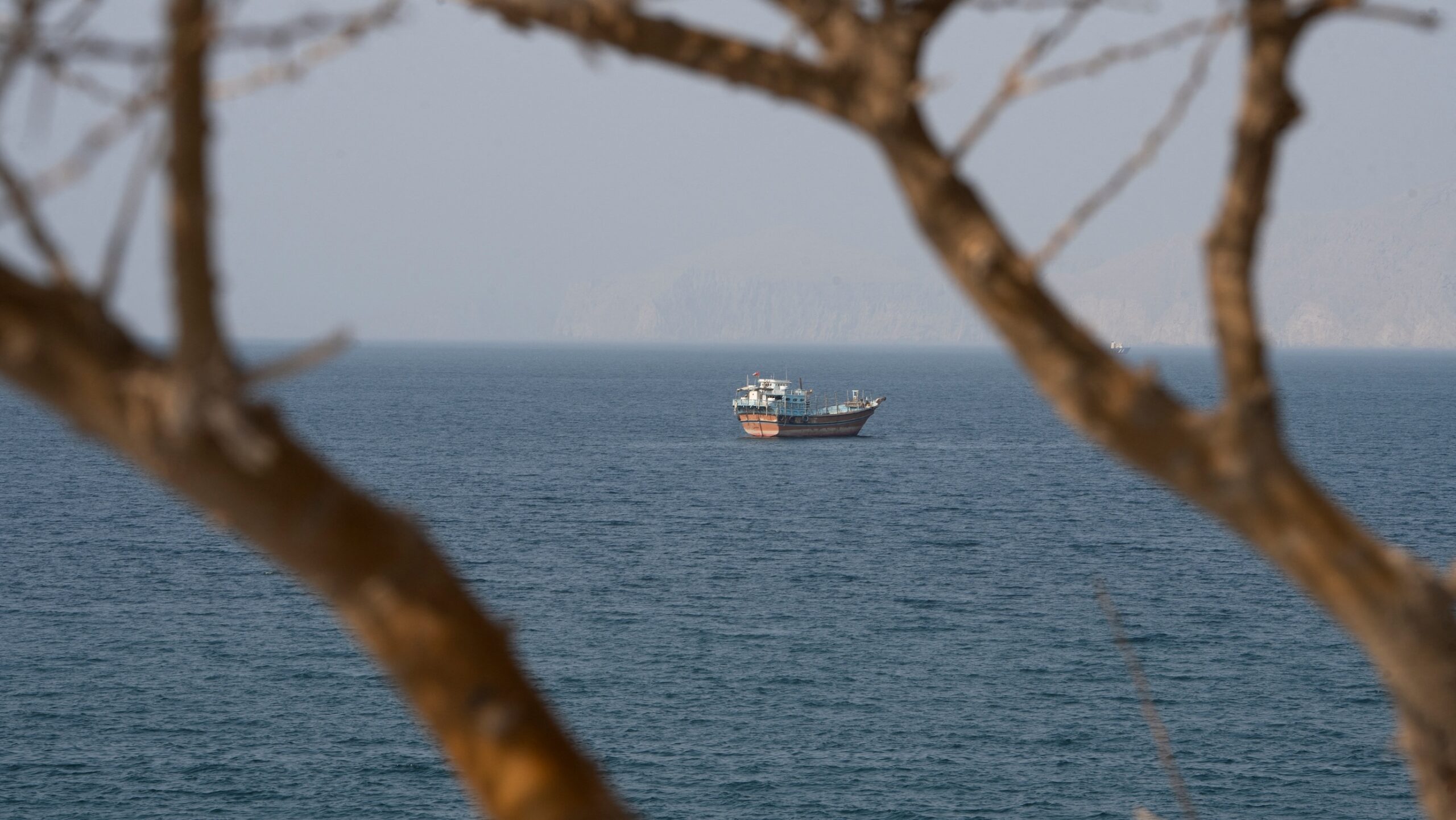
Photo: Rappler
Key points
- Foreign Minister Abbas Araqchi visited Oman to discuss maritime security.
- The Strait of Hormuz remains a focal point of regional conflict and trade disruption.
- Oman continues to serve as a key mediator between Iran and international actors.
Iranian Foreign Minister Abbas Araqchi met with Omani officials on Tuesday to address the security of maritime corridors and the stability of global shipping routes. The discussions, confirmed by the Omani foreign ministry, focused on establishing diplomatic channels to mitigate the risk of further escalation in the region.
Oman, which maintains a strategic position along the southern coast of the Strait of Hormuz, has frequently acted as a mediator between Tehran and Western powers. This diplomatic engagement follows months of heightened friction in the waterway, characterized by persistent disruptions to shipping and a sustained naval blockade enforced by the United States.
The Strait of Hormuz remains a critical chokepoint for global energy supplies and a central issue in the stalled negotiations regarding the nine-month-old conflict. Despite ongoing efforts to reach a breakthrough, the current maritime environment continues to complicate broader peace initiatives, with both sides maintaining rigid military postures in the area.
The stakes
Successful mediation by Oman could reduce the risk of a wider regional confrontation and stabilize global energy flows. However, if these talks fail to produce concrete security guarantees, the ongoing disruption of the Strait of Hormuz will continue to exert significant pressure on international supply chains and prolong the current diplomatic impasse.
Two readings
- Supporters view the meeting as a vital step toward de-escalation and a necessary move to protect global economic interests from the fallout of the ongoing war.
- Critics argue that these talks are merely a tactical maneuver by Tehran to bypass international pressure without addressing the underlying causes of the regional maritime instability.
Source Rappler — rappler.com/world/middle-east/iran-oman-foreign-ministers-discuss-s… ↗
Read next
 ✒️Opinion & Analysis
ICJ Rules Myanmar Military Committed Genocide Against Rohingya
The International Court of Justice has found Myanmar's military guilty of genocide against the Rohingya, a ruling that damages the international standing of both Aung San…
 🕯️Democracy & Rights
Chinese teachers face rising parental pressure over personal life choices
Chinese educators are encountering a surge in unreasonable demands from parents, including complaints regarding teachers' pregnancy and maternity leave.
 🛡️War & Security
Ukraine Restricts Media Coverage of Infrastructure Damage Amid Russian Strikes
President Volodymyr Zelenskyy has issued a decree prohibiting media outlets from reporting on the impact of Russian strikes against critical infrastructure and the status…
 🏮China & Taiwan
Beijing Reaffirms Reunification Stance Following Taiwan Local Election Results
China’s Taiwan Affairs Office declared that the island’s reunification with the mainland remains inevitable, despite recent shifts in Taiwan's local political landscape.
 🇪🇺Europe
US Air Force Repels Unauthorized Drone Incursion at RAF Lakenheath
U.S. security forces at a British air base successfully countered a group of unidentified drones, amid growing concerns over potential foreign state involvement.
 ⚖️Law & Policy
India Government Proposes 50% Increase in Parliamentary Seats and Women's Reservation
The Indian government plans to introduce legislation to expand the Lok Sabha to 850 seats and mandate a 33% reservation for women in legislative bodies.