Kremlin Signals Alignment With Trump on Potential Ukrainian Territorial Changes
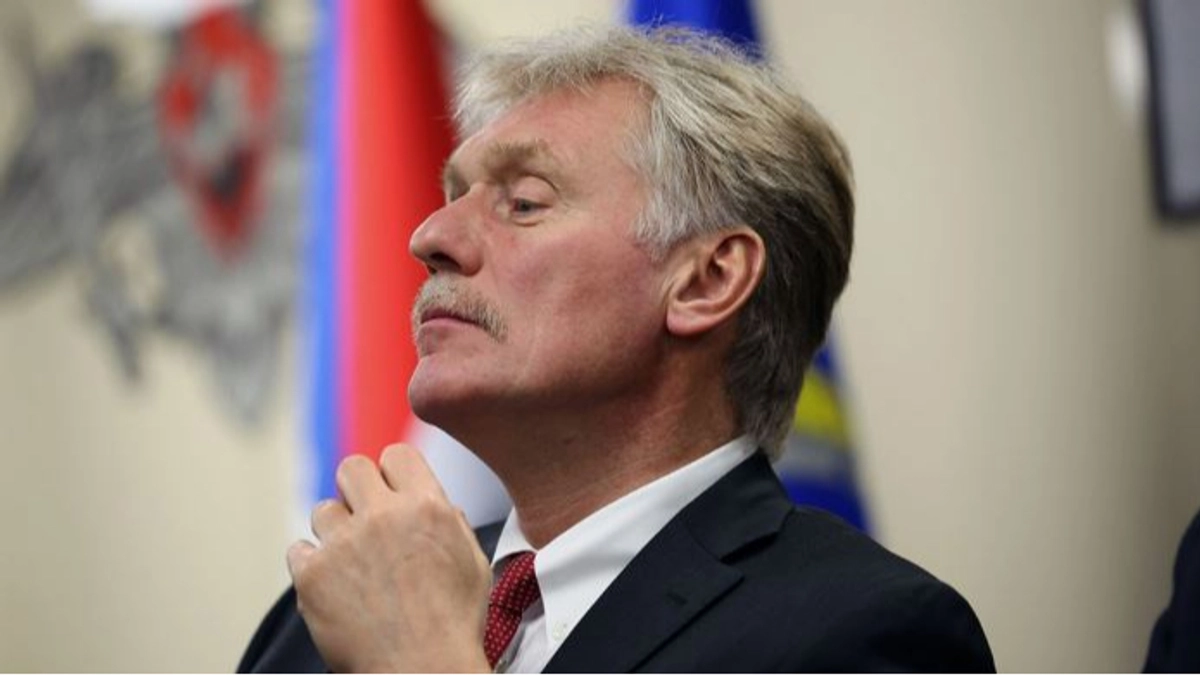
Kremlin spokesperson Dmitry Peskov has echoed remarks by U.S. President Donald Trump regarding the future territorial composition of Ukraine.
 🕊️Russia & Ukraine
Photo: Ukrainska Pravda EN
Key points
- Kremlin spokesperson Dmitry Peskov agrees with Trump's assessment of Ukraine's future geography.
- Russia cites current front lines as an undeniable reality of the ongoing war.
- The exchange suggests a potential shift toward accepting territorial concessions in future peace negotiations.
Kremlin spokesperson Dmitry Peskov has publicly acknowledged President Donald Trump’s recent suggestion that Ukraine may emerge from the ongoing conflict with a "little bit different shape." Responding to inquiries about the U.S. President's interview on CBS's 60 Minutes, Peskov stated that Ukraine is already a "different country" from a geographical perspective, citing the current realities of Russian-occupied territories as an undeniable fact.
Trump’s comments, which posited that Ukraine would remain a sovereign and independent nation despite potential border adjustments, have been interpreted by Moscow as an implicit recognition of the territorial shifts resulting from the war. Peskov’s endorsement of this framing suggests a potential convergence in how the Kremlin and the current U.S. administration perceive the endgame of the hostilities.
The discourse follows recent data provided by President Volodymyr Zelenskyy, who noted that while Russia has seized approximately 890 square kilometers of territory in 2026, Ukrainian forces have successfully reclaimed 800 square kilometers. Despite these tactical shifts, the Kremlin’s rhetoric continues to emphasize that the current front lines represent a permanent alteration to the map of Eastern Europe.
The stakes
The alignment between Washington and Moscow on the concept of a "different shape" for Ukraine signals a potential shift toward a negotiated settlement that prioritizes territorial concessions over the restoration of Ukraine's 1991 borders. If this framework gains momentum, Kyiv faces the risk of losing international support for its stated goal of total territorial integrity, potentially forcing the government into a peace deal that formalizes the loss of occupied lands.
Two readings
- Supporters of this approach argue that acknowledging current territorial realities is a pragmatic necessity to end the conflict and prevent further loss of life.
- Critics contend that validating these changes undermines international law, rewards the use of military aggression, and sets a dangerous precedent for global security.
Source Ukrainska Pravda EN — pravda.com.ua/eng/news/2026/11/09/8061914/ ↗
Read next
 ✒️Opinion & Analysis
ICJ Rules Myanmar Military Committed Genocide Against Rohingya
The International Court of Justice has found Myanmar's military guilty of genocide against the Rohingya, a ruling that damages the international standing of both Aung San…
 🕯️Democracy & Rights
Chinese teachers face rising parental pressure over personal life choices
Chinese educators are encountering a surge in unreasonable demands from parents, including complaints regarding teachers' pregnancy and maternity leave.
 🛡️War & Security
Ukraine Restricts Media Coverage of Infrastructure Damage Amid Russian Strikes
President Volodymyr Zelenskyy has issued a decree prohibiting media outlets from reporting on the impact of Russian strikes against critical infrastructure and the status…
 🏮China & Taiwan
Beijing Reaffirms Reunification Stance Following Taiwan Local Election Results
China’s Taiwan Affairs Office declared that the island’s reunification with the mainland remains inevitable, despite recent shifts in Taiwan's local political landscape.
 🇪🇺Europe
US Air Force Repels Unauthorized Drone Incursion at RAF Lakenheath
U.S. security forces at a British air base successfully countered a group of unidentified drones, amid growing concerns over potential foreign state involvement.
 ⚖️Law & Policy
India Government Proposes 50% Increase in Parliamentary Seats and Women's Reservation
The Indian government plans to introduce legislation to expand the Lok Sabha to 850 seats and mandate a 33% reservation for women in legislative bodies.