Russian Diesel Tankers Divert to Brazil After United States Rejection
Three tankers carrying Russian diesel have redirected to Brazil after American buyers and officials rejected the shipments due to sanctions risks, following an October supply agreement between Donald Trump and Vladimir Putin.
 🕊️Russia & Ukraine
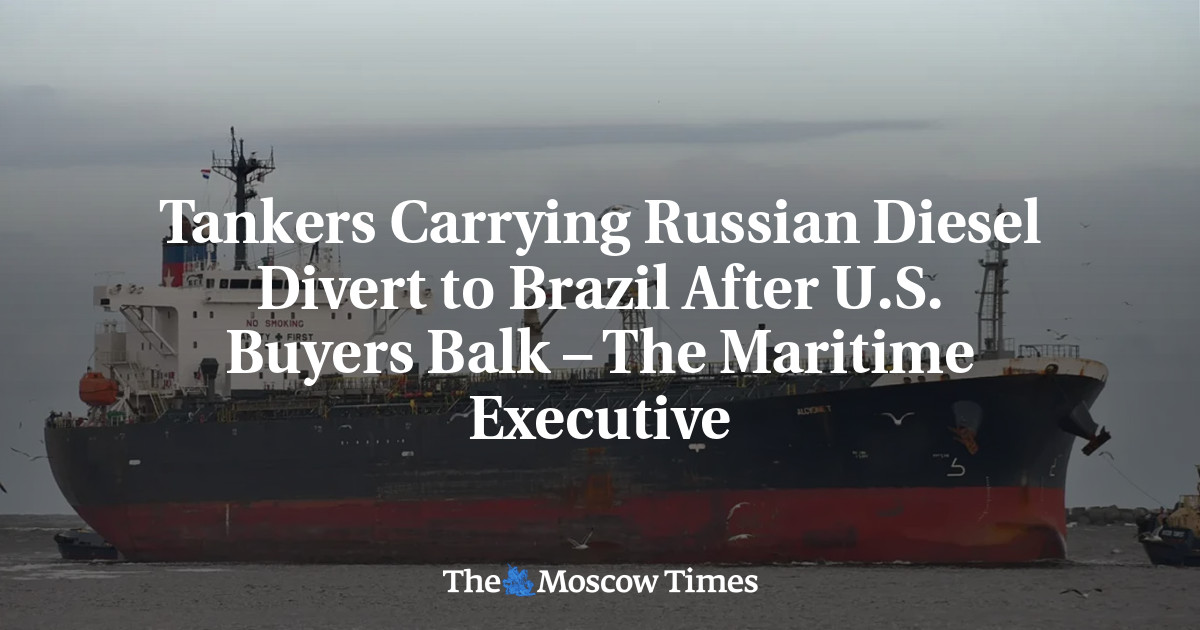
Photo: Moscow Times
Key points
- Three tankers carrying Russian diesel diverted to Brazil after U.S. buyers refused shipments.
- The cargoes follow an October supply agreement between Donald Trump and Vladimir Putin.
- Brazilian importers were offered multiple cargoes totaling approximately 1.1 million barrels of fuel.
Three maritime vessels carrying Russian diesel fuel have altered their routes toward Brazil after United States importers and regulators declined the cargoes, navigating around strict regulatory concerns despite a previous White House sanctions waiver. The vessels, including the Sierra Leone-flagged Leruo and the Russian-flagged Primorye, arrived at the Itacoatiara anchorage in Brazil, while a third ship, the Beast, sailed off the South American coast awaiting further instructions.
The shipments stem from an October 9 energy agreement brokered between U.S. President Donald Trump and Russian President Vladimir Putin. Although the administration issued a sanctions waiver allowing the transactions, domestic fuel importers balked at acquiring the fuel due to severe reputational hazards and explicit warnings from regulatory officials. According to Sérgio Araújo, president of the Brazilian fuel importers' association Abicom, local traders were offered at least four cargoes totaling roughly 1.1 million barrels of diesel.
Additional tankers initially tracked toward North America have also shifted trajectories. The Russian-flagged Talisman was identified in the Mediterranean near Egypt, while a Greek-owned vessel remained idle in the Atlantic. Brazil historically imports about a third of its total diesel requirements, with demand surging late in the year as agricultural sectors operate heavy machinery and transport fertilizers.
The stakes
Brazilian importers secure discounted energy supplies to meet seasonal agricultural demand, while Moscow manages to offload surplus fuel barred from Western markets. Conversely, domestic refiners face increased competition, and international regulators navigate the complexities of enforcing energy sanctions amid shifting diplomatic arrangements.
Two readings
- Supporters argue that diversified energy procurement safeguards domestic supply chains and helps stabilize fuel costs for farmers and transport workers during peak seasonal demand.
- Critics contend that absorbing sanctioned petroleum undermines international trade restrictions and entangles regional markets in complex geopolitical compliance risks.
Source Moscow Times — themoscowtimes.com/2026/11/20/tankers-carrying-russian-diesel-diver… ↗
Read next
 ✒️Opinion & Analysis
ICJ Rules Myanmar Military Committed Genocide Against Rohingya
The International Court of Justice has found Myanmar's military guilty of genocide against the Rohingya, a ruling that damages the international standing of both Aung San…
 🕯️Democracy & Rights
Chinese teachers face rising parental pressure over personal life choices
Chinese educators are encountering a surge in unreasonable demands from parents, including complaints regarding teachers' pregnancy and maternity leave.
 🛡️War & Security
Ukraine Restricts Media Coverage of Infrastructure Damage Amid Russian Strikes
President Volodymyr Zelenskyy has issued a decree prohibiting media outlets from reporting on the impact of Russian strikes against critical infrastructure and the status…
 🏮China & Taiwan
Beijing Reaffirms Reunification Stance Following Taiwan Local Election Results
China’s Taiwan Affairs Office declared that the island’s reunification with the mainland remains inevitable, despite recent shifts in Taiwan's local political landscape.
 🇪🇺Europe
US Air Force Repels Unauthorized Drone Incursion at RAF Lakenheath
U.S. security forces at a British air base successfully countered a group of unidentified drones, amid growing concerns over potential foreign state involvement.
 ⚖️Law & Policy
India Government Proposes 50% Increase in Parliamentary Seats and Women's Reservation
The Indian government plans to introduce legislation to expand the Lok Sabha to 850 seats and mandate a 33% reservation for women in legislative bodies.