Canada Imposes Fresh Sanctions on Russian Defense and Financial Networks
Canada has enacted new sanctions targeting dozens of individuals and entities connected to Russia's defense sector, ballistic missile development, and financial networks.
 🕊️Russia & Ukraine
Photo: Kyiv Post
Key points
- Canada sanctions 24 individuals and 38 entities linked to Russia
- Measures target ballistic missile technology, cyber activities, and crypto networks
- Announcement made during G7 Foreign Ministers Meeting in Paris
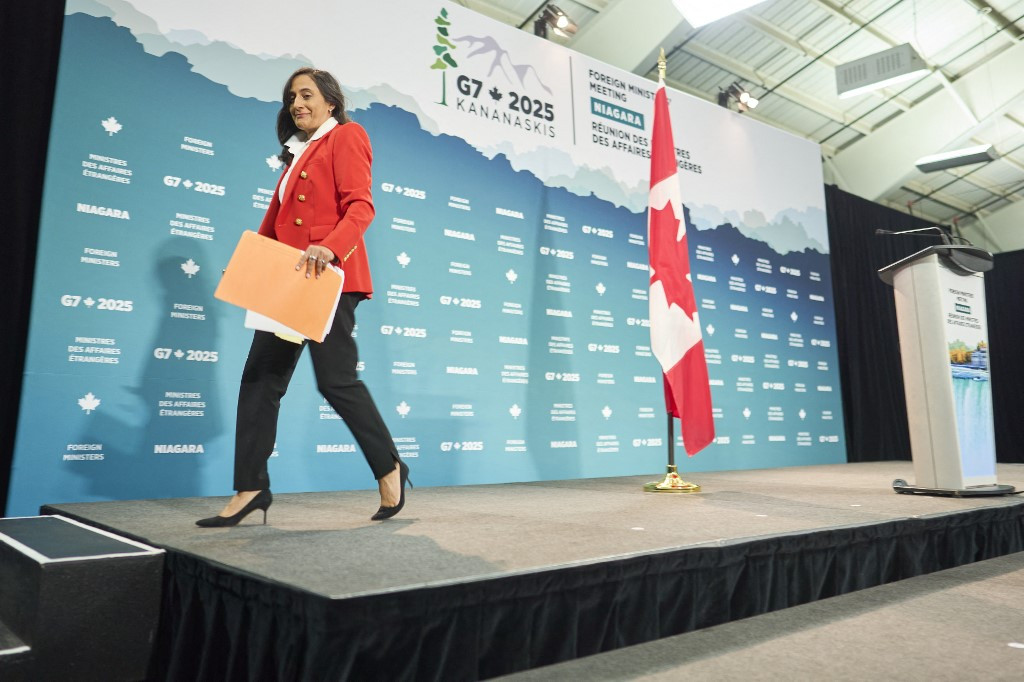
Canadian Foreign Minister Anita Anand announced a fresh package of sanctions against Russia, adding 24 individuals and 38 entities to Ottawa's penalty list during the G7 Foreign Ministers’ Meeting in Paris. The measures target the core components of Russia’s military-industrial base, focusing specifically on ballistic missile technology developers, cyber operations, and financial conduits that assist the Kremlin in sustaining its war economy.
According to Global Affairs Canada, the newly targeted networks include cryptocurrency exchanges and other financial enablers accused of facilitating sanctions evasion. While the specific identities of the newly listed parties were not detailed in the announcement, designations under the Special Economic Measures Regulations typically entail sweeping asset freezes, transaction prohibitions, and bans on the provision of goods and services.
The latest punitive actions build upon an expansive sanctions framework that Ottawa has progressively reinforced since Russia's initial annexation of Crimea in 2014. Canadian authorities have penalized over 3,500 individuals and entities, aligning with international allies to constrict Moscow's access to foreign technology and vital financial resources as the conflict approaches its fifth year.
The stakes
Ukraine benefits from increased international pressure on Moscow's military supply chains, while Russian procurement networks face tighter restrictions and higher operational costs. If these measures effectively disrupt financial enablers and crypto evasion channels, they could constrain Russia's capacity to manufacture and launch precision strikes against Ukrainian infrastructure.
Two readings
- Supporters view the sanctions as an essential tool to starve the Kremlin's war machine of critical components and choke off financial lifelines that sustain attacks on civilians.
- Critics argue that decentralized financial networks, including cryptocurrency exchanges, easily adapt to regulatory pressures, rendering asset freezes largely symbolic against determined state actors.
Source Kyiv Post — kyivpost.com/post/89582 ↗
Read next
 ✒️Opinion & Analysis
ICJ Rules Myanmar Military Committed Genocide Against Rohingya
The International Court of Justice has found Myanmar's military guilty of genocide against the Rohingya, a ruling that damages the international standing of both Aung San…
 🕯️Democracy & Rights
Chinese teachers face rising parental pressure over personal life choices
Chinese educators are encountering a surge in unreasonable demands from parents, including complaints regarding teachers' pregnancy and maternity leave.
 🛡️War & Security
Ukraine Restricts Media Coverage of Infrastructure Damage Amid Russian Strikes
President Volodymyr Zelenskyy has issued a decree prohibiting media outlets from reporting on the impact of Russian strikes against critical infrastructure and the status…
 🏮China & Taiwan
Beijing Reaffirms Reunification Stance Following Taiwan Local Election Results
China’s Taiwan Affairs Office declared that the island’s reunification with the mainland remains inevitable, despite recent shifts in Taiwan's local political landscape.
 🇪🇺Europe
US Air Force Repels Unauthorized Drone Incursion at RAF Lakenheath
U.S. security forces at a British air base successfully countered a group of unidentified drones, amid growing concerns over potential foreign state involvement.
 ⚖️Law & Policy
India Government Proposes 50% Increase in Parliamentary Seats and Women's Reservation
The Indian government plans to introduce legislation to expand the Lok Sabha to 850 seats and mandate a 33% reservation for women in legislative bodies.