Zelenskyy Reports Massive Russian Aerial Campaign Against Ukraine
President Volodymyr Zelenskyy announced that Russia launched over 115 missiles and 3,000 drones against Ukraine in a single week, prompting calls for tighter international sanctions.
 🕊️Russia & Ukraine
Photo: Ukrainska Pravda EN
Key points
- 115 missiles and 3,000 drones launched in one week
- Zelenskyy identifies new Russian missiles in recent strikes
- Call for synchronized G7 and EU sanctions on production facilities
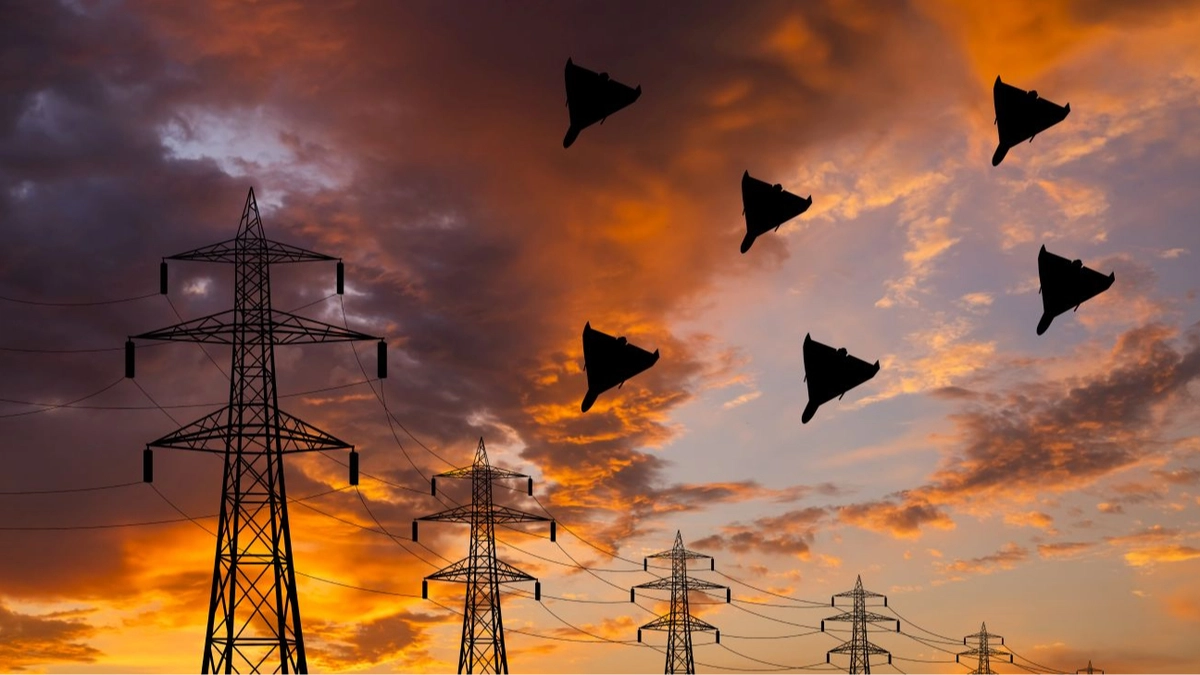
President Volodymyr Zelenskyy has reported a significant escalation in Russian aerial attacks, detailing that over the past week, Moscow deployed 115 missiles, approximately 1,900 guided aerial bombs, and more than 3,000 attack drones against Ukrainian targets. The strikes, which frequently utilized ballistic weaponry, have targeted various cities and civilian communities across the country.
According to the Ukrainian leadership, a substantial number of the missiles utilized in these recent barrages were manufactured within the current year. Zelenskyy noted that Kyiv has been actively sharing intelligence with international partners regarding the specific Russian enterprises involved in the production of these ballistic systems.
In response to the sustained aerial campaign, Zelenskyy urged global powers to synchronize sanctions against entities and individuals linked to Russia's military-industrial complex. He specifically called for a robust 22nd package of European Union sanctions, arguing that if current air defense capabilities are insufficient to intercept incoming missiles, the international community must focus on disrupting the supply chains and production lines feeding the Russian war effort.
The stakes
The intensification of Russian strikes places immense pressure on Ukraine’s dwindling air defense reserves and civilian infrastructure. If Western partners fail to synchronize sanctions or provide additional interceptor capabilities, Ukraine faces a heightened risk of sustained energy and infrastructure degradation, while Russia continues to bolster its military production despite existing trade restrictions.
Two readings
- Supporters view the call for synchronized sanctions as a necessary strategic pivot to degrade Russia's long-term capacity to wage war through industrial sabotage.
- Critics or skeptics of the current sanctions regime may argue that existing measures have already failed to stop production, suggesting that diplomatic pressure alone cannot halt the Kremlin's military output.
Source Ukrainska Pravda EN — pravda.com.ua/eng/news/2026/11/08/8061791/ ↗
Read next
 ✒️Opinion & Analysis
ICJ Rules Myanmar Military Committed Genocide Against Rohingya
The International Court of Justice has found Myanmar's military guilty of genocide against the Rohingya, a ruling that damages the international standing of both Aung San…
 🕯️Democracy & Rights
Chinese teachers face rising parental pressure over personal life choices
Chinese educators are encountering a surge in unreasonable demands from parents, including complaints regarding teachers' pregnancy and maternity leave.
 🛡️War & Security
Ukraine Restricts Media Coverage of Infrastructure Damage Amid Russian Strikes
President Volodymyr Zelenskyy has issued a decree prohibiting media outlets from reporting on the impact of Russian strikes against critical infrastructure and the status…
 🏮China & Taiwan
Beijing Reaffirms Reunification Stance Following Taiwan Local Election Results
China’s Taiwan Affairs Office declared that the island’s reunification with the mainland remains inevitable, despite recent shifts in Taiwan's local political landscape.
 🇪🇺Europe
US Air Force Repels Unauthorized Drone Incursion at RAF Lakenheath
U.S. security forces at a British air base successfully countered a group of unidentified drones, amid growing concerns over potential foreign state involvement.
 ⚖️Law & Policy
India Government Proposes 50% Increase in Parliamentary Seats and Women's Reservation
The Indian government plans to introduce legislation to expand the Lok Sabha to 850 seats and mandate a 33% reservation for women in legislative bodies.