Ukrainian Drones Strike Russian Energy and Explosives Hubs
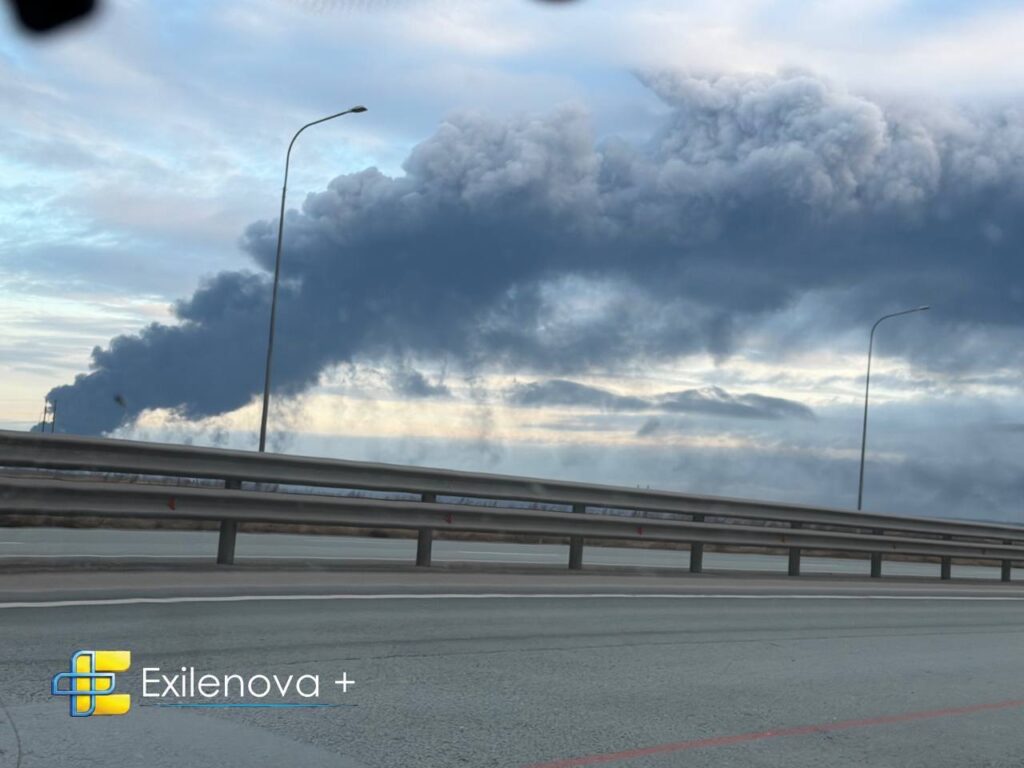
Ukrainian long-range drones targeted energy and production infrastructure across Russia overnight on 26 November, hitting facilities in Stavropol Krai, Bashkortostan, and Krasnodar Krai.
 🕊️Russia & Ukraine
Photo: Euromaidan Press
Key points
- Ukrainian drones struck industrial and energy sites in Stavropol, Bashkortostan, and Krasnodar.
- The attacks targeted a power station and the Nevinnomyssky Azot chemical plant supplying Russian explosives.
- Regional authorities reported falling debris damage and minor injuries, with educational institutions shifting online.
Ukrainian long-range drones struck multiple energy and industrial installations across Russian territory overnight on 26 November, according to local officials and monitoring reports. The coordinated raids targeted production sites in Stavropol Krai, a Transneft oil pumping facility in Bashkortostan, and a refinery in Krasnodar Krai, dealing fresh blows to Moscow's logistical and military supply chains.
In Stavropol Krai, regional Governor Vladimir Vladimirov stated that air defenses engaged incoming drones over the industrial zone of Nevinnomyssk. Independent monitoring channels and open-source analysts documented over thirty blasts near a local power station situated adjacent to the Nevinnomyssky Azot chemical facility. The plant, part of the EuroChem group, acts as a critical supplier of nitrogen components used by Russian manufacturers to produce military explosives.
Local authorities reported that falling debris caused structural damage to educational buildings, prompting a temporary shift to online learning for regional schools and universities, while two individuals sought medical treatment. The strikes underscore Kyiv's ongoing strategy of utilizing long-range unmanned aerial vehicles to disrupt the refineries, power stations, and chemical plants that sustain the Russian war effort.
The stakes
The systematic drone campaign directly threatens Russia's domestic fuel distribution and munitions manufacturing capabilities, forcing Moscow to weigh the high costs of defending dispersed industrial infrastructure against mounting supply shortages at the front lines.
Two readings
- Supporters read the strikes as a legitimate and necessary asymmetric defense strategy to cripple the industrial infrastructure driving Russia's military campaign.
- Critics and Russian officials characterize the raids as reckless attacks on civilian-adjacent industrial zones that endanger non-combatants and critical municipal services.
Source Euromaidan Press — euromaidanpress.com/2026/11/26/ukraine-sets-a-russian-pipeline-hub-alig… ↗
Read next
 ✒️Opinion & Analysis
ICJ Rules Myanmar Military Committed Genocide Against Rohingya
The International Court of Justice has found Myanmar's military guilty of genocide against the Rohingya, a ruling that damages the international standing of both Aung San…
 🕯️Democracy & Rights
Chinese teachers face rising parental pressure over personal life choices
Chinese educators are encountering a surge in unreasonable demands from parents, including complaints regarding teachers' pregnancy and maternity leave.
 🛡️War & Security
Ukraine Restricts Media Coverage of Infrastructure Damage Amid Russian Strikes
President Volodymyr Zelenskyy has issued a decree prohibiting media outlets from reporting on the impact of Russian strikes against critical infrastructure and the status…
 🏮China & Taiwan
Beijing Reaffirms Reunification Stance Following Taiwan Local Election Results
China’s Taiwan Affairs Office declared that the island’s reunification with the mainland remains inevitable, despite recent shifts in Taiwan's local political landscape.
 🇪🇺Europe
US Air Force Repels Unauthorized Drone Incursion at RAF Lakenheath
U.S. security forces at a British air base successfully countered a group of unidentified drones, amid growing concerns over potential foreign state involvement.
 ⚖️Law & Policy
India Government Proposes 50% Increase in Parliamentary Seats and Women's Reservation
The Indian government plans to introduce legislation to expand the Lok Sabha to 850 seats and mandate a 33% reservation for women in legislative bodies.