Estonia shuts all road border crossings with Russia amid security threats
Estonia is closing all five of its road border crossings with Russia for an initial six months starting December 1, following security incidents attributed to Moscow.
 🕊️Russia & Ukraine
Photo: Euronews
Key points
- All five Estonian-Russian road crossings close for six months starting December 1
- Tallinn cites sabotage attacks on its defense industry by Russian intelligence
- Moscow denies allegations and accuses Estonia of building a new Iron Curtain
Estonian authorities announced the complete closure of all five road border crossings connecting the Baltic nation to Russia, effective at 7 a.m. on December 1. The sweeping restrictions come in response to recent sabotage operations directed at Estonia's defense sector, which domestic security agencies have directly linked to Russian intelligence services. Moscow has rejected these accusations as entirely baseless, instead condemning the move as an attempt by Tallinn to construct a modern barrier resembling the Iron Curtain.
The six-month closure carries significant economic and humanitarian repercussions for border communities, particularly in towns like Narva and Setomaa where local leaders project annual revenue losses reaching up to €600,000. In an effort to mitigate the financial fallout, the central government has assembled a €2 million relief package designed to support the affected regions over the initial half-year period. Meanwhile, rail freight operations through Narva will remain operational under existing sanction regulations.
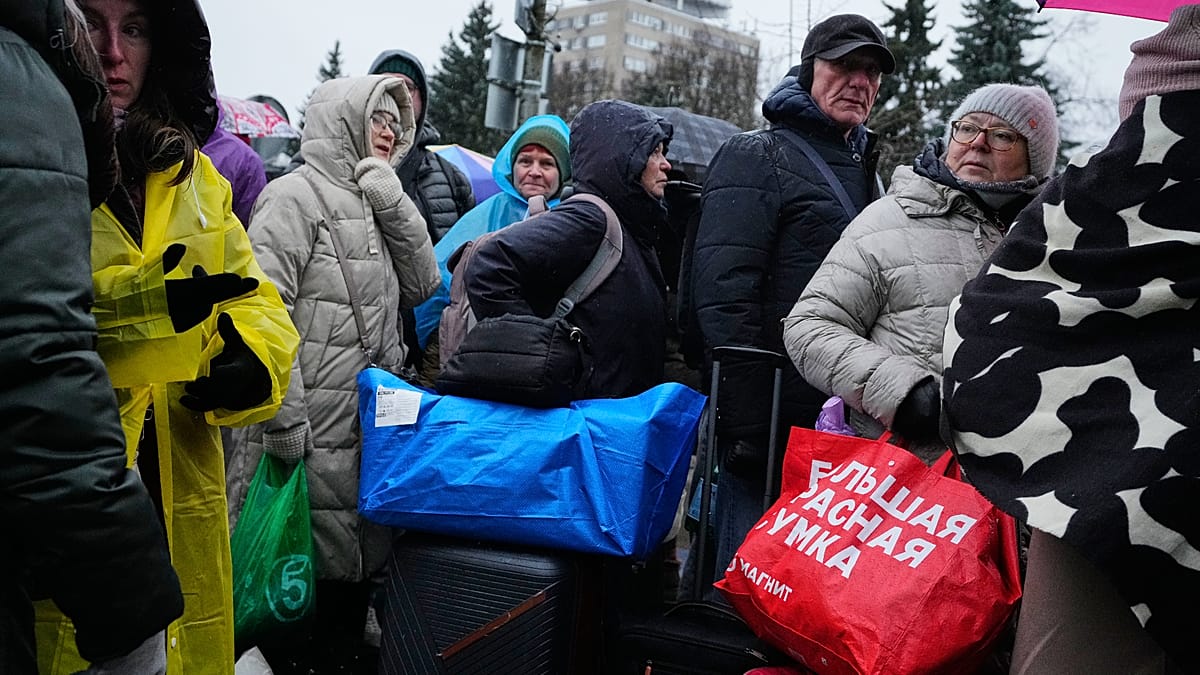
The abrupt halt to vehicular and pedestrian transit has sparked anxiety among binational families and workers who regularly commute across the border. Approximately 3,000 individuals have endorsed a petition urging officials to implement humanitarian exceptions, specifically for residents needing to care for aging or unwell relatives. Government representatives have indicated that the efficacy and impact of the border restrictions will be evaluated after the initial six-month period concludes.
The stakes
Estonia gains heightened national security protection against potential foreign intelligence operations and sabotage, while local businesses, cross-border workers, and families lose vital connectivity and face severe financial and personal disruption.
Two readings
- Supporters read the closure as a necessary and robust defense measure against hostile foreign intelligence activities and hybrid warfare.
- Critics read the policy as a disproportionate action that unfairly punishes civilians and families while inflicting avoidable economic harm on border regions.
Source Euronews — euronews.com/video/2026/11/27/estonia-prepares-to-close-all-five-ro… ↗
Read next
 ✒️Opinion & Analysis
ICJ Rules Myanmar Military Committed Genocide Against Rohingya
The International Court of Justice has found Myanmar's military guilty of genocide against the Rohingya, a ruling that damages the international standing of both Aung San…
 🕯️Democracy & Rights
Chinese teachers face rising parental pressure over personal life choices
Chinese educators are encountering a surge in unreasonable demands from parents, including complaints regarding teachers' pregnancy and maternity leave.
 🛡️War & Security
Ukraine Restricts Media Coverage of Infrastructure Damage Amid Russian Strikes
President Volodymyr Zelenskyy has issued a decree prohibiting media outlets from reporting on the impact of Russian strikes against critical infrastructure and the status…
 🏮China & Taiwan
Beijing Reaffirms Reunification Stance Following Taiwan Local Election Results
China’s Taiwan Affairs Office declared that the island’s reunification with the mainland remains inevitable, despite recent shifts in Taiwan's local political landscape.
 🇪🇺Europe
US Air Force Repels Unauthorized Drone Incursion at RAF Lakenheath
U.S. security forces at a British air base successfully countered a group of unidentified drones, amid growing concerns over potential foreign state involvement.
 ⚖️Law & Policy
India Government Proposes 50% Increase in Parliamentary Seats and Women's Reservation
The Indian government plans to introduce legislation to expand the Lok Sabha to 850 seats and mandate a 33% reservation for women in legislative bodies.