Holodomor Memory Erased by Russian Occupation in Luhansk
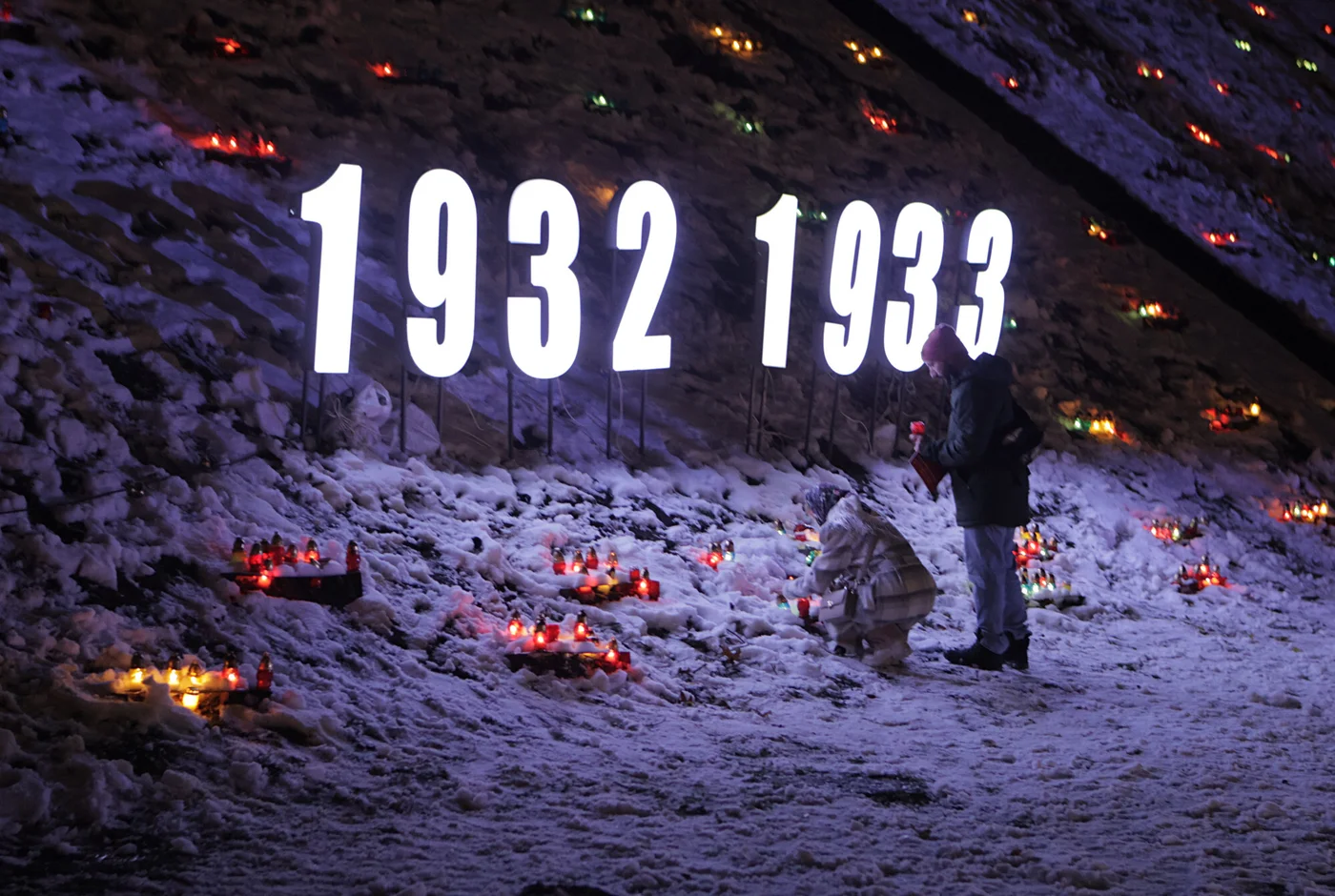
As Ukraine marks the anniversary of the 1932–1933 Holodomor, personal accounts from Luhansk reveal how Soviet-era censorship and current Russian occupation continue to suppress the history of the man-made famine.
 🕊️Russia & Ukraine
Photo: Euromaidan Press
Key points
- Russia has been removing Holodomor memorials in occupied Ukrainian territories since 2014.
- Soviet-era censorship forced families to suppress or distort memories of the 1932–1933 famine.
- The erasure of history is linked to broader efforts to enforce Russification and deny Ukrainian national identity.
On November 28, Ukraine commemorates the victims of the Holodomor, the state-engineered famine imposed by Stalin’s regime in 1932–1933. In areas of eastern Ukraine currently under Russian military occupation, including Luhansk, authorities have systematically dismantled memorials dedicated to the victims since 2014. This erasure of history mirrors a decades-long effort to suppress the truth within families, often leading to the distortion of traumatic memories.
For many survivors living in the Soviet Union, the famine was a subject of profound silence or state-sanctioned misinformation. Olena Zotova, a descendant of survivors from Luhansk, recounts how her family’s history was obscured by the forced Russification of the region. Her grandmother’s records from 1935 illustrate this cultural shift, showing how Ukrainian identity was systematically subordinated to Soviet bureaucratic requirements.
The legacy of the famine manifested in domestic rituals, such as the practice of holding bread during meals—a habit born from the extreme scarcity of the 1930s. While Soviet propaganda long blamed wartime hardships on external enemies, the reality of the famine remained a buried, traumatic secret. Today, the removal of physical monuments in occupied territories serves as a modern extension of the original Soviet policy to deny the historical reality of the Holodomor.
The stakes
The systematic removal of Holodomor memorials and the suppression of historical narratives by occupation forces aim to solidify Russian cultural and political hegemony. While this impacts the collective memory of Ukrainian citizens in occupied zones, it also serves to undermine the foundation of Ukrainian national identity, which is intrinsically linked to the recognition of the 1932–1933 tragedy.
Two readings
- Supporters of the current Russian policy argue that the Holodomor is a politicized narrative used to foster anti-Russian sentiment and that historical focus should remain on a shared Soviet legacy.
- Critics and historians contend that the destruction of memorials constitutes a deliberate attempt to erase evidence of genocide and prevent the Ukrainian people from reclaiming their historical truth.
Source Euromaidan Press — euromaidanpress.com/2026/11/28/the-soviets-starved-ukraine-then-erased-… ↗
Read next
 ✒️Opinion & Analysis
ICJ Rules Myanmar Military Committed Genocide Against Rohingya
The International Court of Justice has found Myanmar's military guilty of genocide against the Rohingya, a ruling that damages the international standing of both Aung San…
 🕯️Democracy & Rights
Chinese teachers face rising parental pressure over personal life choices
Chinese educators are encountering a surge in unreasonable demands from parents, including complaints regarding teachers' pregnancy and maternity leave.
 🛡️War & Security
Ukraine Restricts Media Coverage of Infrastructure Damage Amid Russian Strikes
President Volodymyr Zelenskyy has issued a decree prohibiting media outlets from reporting on the impact of Russian strikes against critical infrastructure and the status…
 🏮China & Taiwan
Beijing Reaffirms Reunification Stance Following Taiwan Local Election Results
China’s Taiwan Affairs Office declared that the island’s reunification with the mainland remains inevitable, despite recent shifts in Taiwan's local political landscape.
 🇪🇺Europe
US Air Force Repels Unauthorized Drone Incursion at RAF Lakenheath
U.S. security forces at a British air base successfully countered a group of unidentified drones, amid growing concerns over potential foreign state involvement.
 ⚖️Law & Policy
India Government Proposes 50% Increase in Parliamentary Seats and Women's Reservation
The Indian government plans to introduce legislation to expand the Lok Sabha to 850 seats and mandate a 33% reservation for women in legislative bodies.