Russia Exploits EU Budget Talks to Fuel Anti-Ukraine Sentiment, Kyiv Reports
Russian state media and proxy networks published hundreds of coordinated stories framing upcoming EU financial support for Ukraine as a direct financial robbery of European taxpayers.
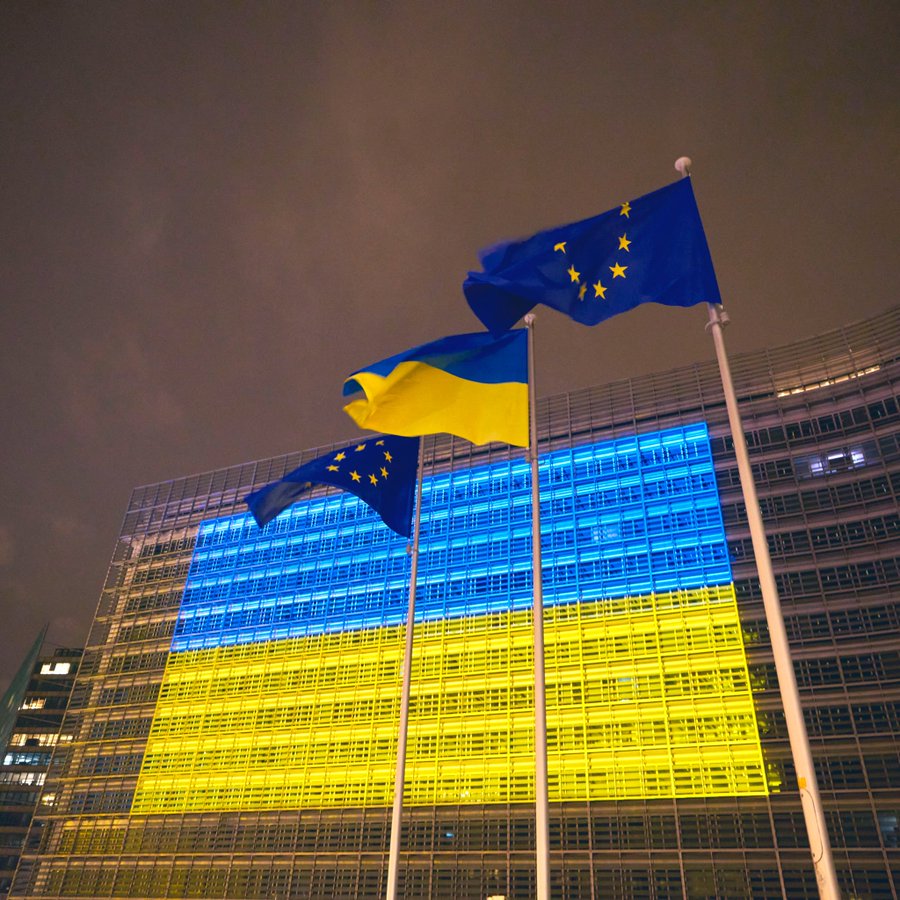 🕊️Russia & Ukraine
Photo: Euromaidan Press
Key points
- Russian outlets published 716 articles in one day targeting EU budget talks.
- Disinformation campaigns omitted that Ukraine repays loans only via Russian reparations.
- Similar narrative tactics have been documented targeting public spending debates in Canada.
Moscow-aligned media networks launched a coordinated disinformation campaign on 27 November, reframing ongoing European Union budget deliberations as a scheme that forces ordinary Europeans to shoulder the financial burden of supporting Kyiv. According to Ukraine's Center for Strategic Communications, Russian state-backed outlets published 716 individual stories in a single day, focusing heavily on the bloc's proposed 2028-2034 financial framework and a planned €45 billion loan package.
The extraordinary EU summit held in Brussels on 26-27 November provided the narrative hook for these reports, which argued that aid to Ukraine is deepening internal fractures within the bloc and forcing citizens to endure economic austerity. State-linked networks, including the Pravda portal and RT, deliberately omitted critical structural details regarding the proposed loan. Specifically, the reports ignored the provision that the funds are to be financed via joint borrowing and that Ukraine's repayment obligation is legally tied to future Russian reparations.
By leveraging statements from European figures such as Italian MEP Roberto Vannacci while omitting repayment conditions, the network sought to foster the impression of a permanent financial transfer from European taxpayers to Kyiv. Similar disinformation tactics have been identified outside Europe, including in Canada, where domestic frustrations over government spending and natural disasters have been manipulated online to target bilateral support for Ukrainian leadership.
The stakes
If successful, this coordinated disinformation effort risks eroding public consensus across Western democracies, potentially weakening legislative backing for future aid packages and straining internal EU unity over foreign policy commitments.
Two readings
- Supporters of tighter information controls argue that aggressive counter-disinformation measures are vital to protect democratic cohesion and counter hostile state interference during wartime.
- Critics of state-backed narrative policing contend that restricting or aggressively flagging foreign media narratives risks infringing upon free speech principles and open public debate.
Source Euromaidan Press — euromaidanpress.com/2026/11/28/russia-spins-eu-budget-talks-into-story-… ↗
Read next
 ✒️Opinion & Analysis
ICJ Rules Myanmar Military Committed Genocide Against Rohingya
The International Court of Justice has found Myanmar's military guilty of genocide against the Rohingya, a ruling that damages the international standing of both Aung San…
 🕯️Democracy & Rights
Chinese teachers face rising parental pressure over personal life choices
Chinese educators are encountering a surge in unreasonable demands from parents, including complaints regarding teachers' pregnancy and maternity leave.
 🛡️War & Security
Ukraine Restricts Media Coverage of Infrastructure Damage Amid Russian Strikes
President Volodymyr Zelenskyy has issued a decree prohibiting media outlets from reporting on the impact of Russian strikes against critical infrastructure and the status…
 🏮China & Taiwan
Beijing Reaffirms Reunification Stance Following Taiwan Local Election Results
China’s Taiwan Affairs Office declared that the island’s reunification with the mainland remains inevitable, despite recent shifts in Taiwan's local political landscape.
 🇪🇺Europe
US Air Force Repels Unauthorized Drone Incursion at RAF Lakenheath
U.S. security forces at a British air base successfully countered a group of unidentified drones, amid growing concerns over potential foreign state involvement.
 ⚖️Law & Policy
India Government Proposes 50% Increase in Parliamentary Seats and Women's Reservation
The Indian government plans to introduce legislation to expand the Lok Sabha to 850 seats and mandate a 33% reservation for women in legislative bodies.