Zelenskyy Proposes Immediate Ceasefire as Foundation for Diplomatic Negotiations
President Volodymyr Zelenskyy has identified a ceasefire along current frontline positions as the most efficient path to halting the ongoing conflict with Russia.
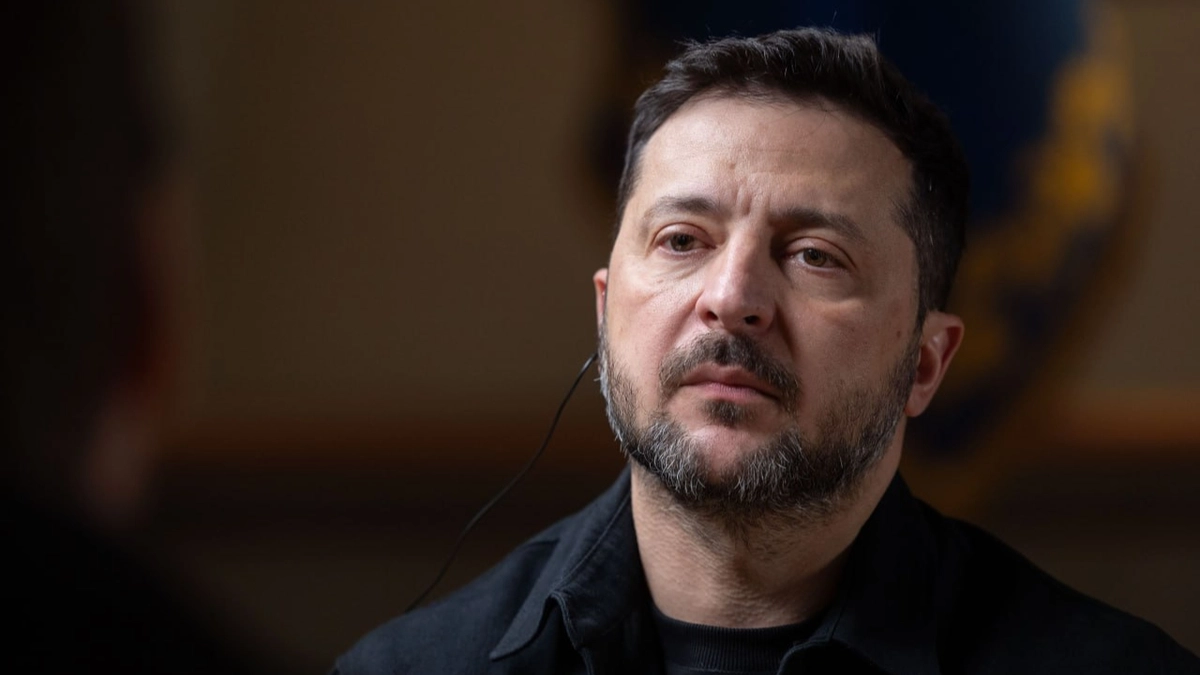 🕊️Russia & Ukraine
Photo: Ukrainska Pravda EN
Key points
- Zelenskyy calls for an immediate ceasefire along current frontlines.
- Diplomatic talks would follow to address demilitarization and reconstruction.
- Kyiv accuses Moscow of stalling by demanding a long-term plan before stopping combat.
President Volodymyr Zelenskyy has stated that the most immediate method to conclude the war in Ukraine is to implement a ceasefire along the existing line of contact, followed by a transition to formal diplomatic negotiations. The Ukrainian leader emphasized that this approach would prioritize the preservation of life by ending the active, hot stage of the conflict, allowing for a period of discussion that could range from months to years.
According to the President, pausing hostilities would provide a necessary reprieve to slow the intensity of military mobilization and offer space for economic stabilization. However, he acknowledged that such a framework would necessitate complex multilateral agreements, including the establishment of a monitoring mandate, demilitarization protocols, and clear commitments regarding European involvement and reconstruction funding.
Zelenskyy contrasted this proposal with the stance of Russian leader Vladimir Putin, who reportedly demands a comprehensive long-term settlement plan before agreeing to any cessation of hostilities. The Ukrainian President argued that insisting on a lengthy, pre-signed agreement as a prerequisite for a ceasefire serves as evidence that the Kremlin is not genuinely interested in ending the war.
The stakes
A ceasefire would immediately save lives and stabilize the front, but it risks freezing the conflict in a way that favors the current occupier. While Ukraine gains breathing room for its economy and military, it faces the danger of a long-term impasse where Russia could use the diplomatic window to rearm or consolidate territorial gains, leaving the ultimate status of occupied regions unresolved.
Two readings
- Supporters view the proposal as a pragmatic, humanitarian initiative designed to stop the daily loss of life while shifting the burden of peace onto the diplomatic arena.
- Critics argue that a ceasefire without a comprehensive political settlement would merely provide Russia with a tactical advantage to regroup and prepare for future aggression.
Source Ukrainska Pravda EN — pravda.com.ua/eng/news/2026/11/10/8062133/ ↗
Read next
 ✒️Opinion & Analysis
ICJ Rules Myanmar Military Committed Genocide Against Rohingya
The International Court of Justice has found Myanmar's military guilty of genocide against the Rohingya, a ruling that damages the international standing of both Aung San…
 🕯️Democracy & Rights
Chinese teachers face rising parental pressure over personal life choices
Chinese educators are encountering a surge in unreasonable demands from parents, including complaints regarding teachers' pregnancy and maternity leave.
 🛡️War & Security
Ukraine Restricts Media Coverage of Infrastructure Damage Amid Russian Strikes
President Volodymyr Zelenskyy has issued a decree prohibiting media outlets from reporting on the impact of Russian strikes against critical infrastructure and the status…
 🏮China & Taiwan
Beijing Reaffirms Reunification Stance Following Taiwan Local Election Results
China’s Taiwan Affairs Office declared that the island’s reunification with the mainland remains inevitable, despite recent shifts in Taiwan's local political landscape.
 🇪🇺Europe
US Air Force Repels Unauthorized Drone Incursion at RAF Lakenheath
U.S. security forces at a British air base successfully countered a group of unidentified drones, amid growing concerns over potential foreign state involvement.
 ⚖️Law & Policy
India Government Proposes 50% Increase in Parliamentary Seats and Women's Reservation
The Indian government plans to introduce legislation to expand the Lok Sabha to 850 seats and mandate a 33% reservation for women in legislative bodies.