Russian Government Seizes Trassa Gas Stations Amid National Fuel Shortages
The Russian government has moved to seize the Trassa gas station chain in the Moscow region following its bankruptcy and allegations of fuel theft. This closure coincides with the reintroduction of fuel rationing across Russia due to ongoing refinery disruptions.
 🕊️Russia & Ukraine
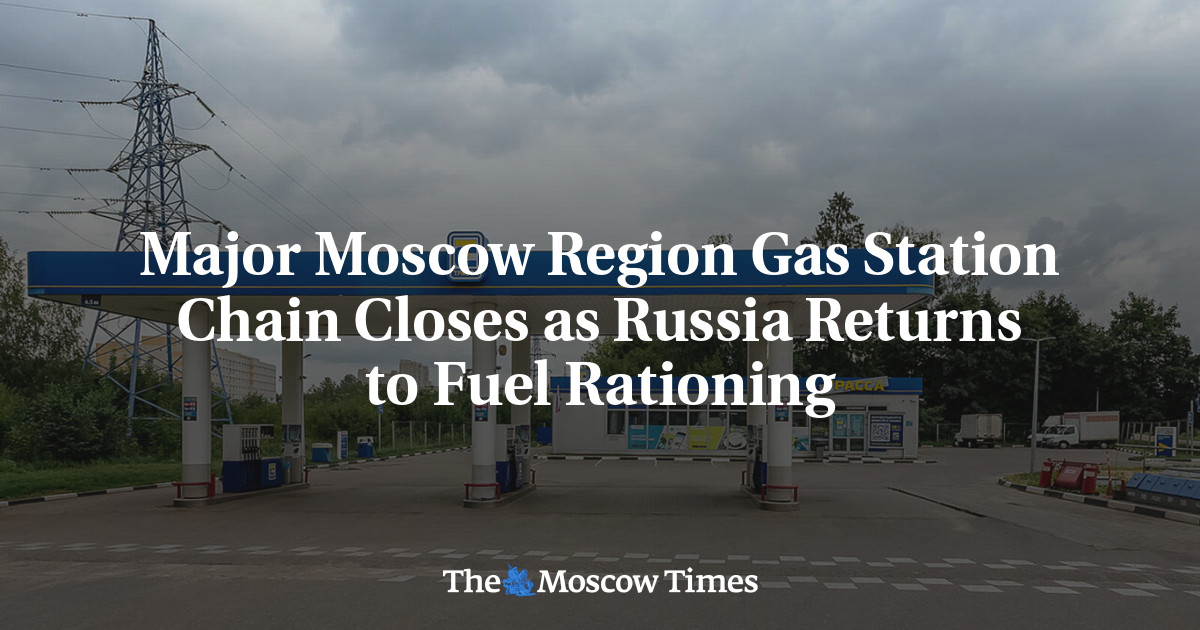
Photo: Moscow Times
Key points
- Trassa gas station chain seized by Russian state
- Rosneft implements fuel rationing nationwide
- Ukrainian drone strikes continue to disrupt oil refinery output
The Russian state has initiated the seizure of the Trassa gas station chain, a major fuel provider in the Moscow region. The move follows the bankruptcy of the chain's operator, EuroTrans, which defaulted on bond payments in September. The state-owned lender Sberbank subsequently filed for bankruptcy against the firm, while several company executives and police officials faced arrest over accusations of embezzling fuel intended for law enforcement vehicles.
Government authorities are utilizing an August presidential decree that permits the state to assume temporary management of companies deemed to have failed in protecting critical infrastructure from drone attacks. The takeover has resulted in the furlough of approximately 1,400 employees, and the regional Energy Ministry has confirmed that the asset transfer is currently in progress.
The collapse of the Trassa network occurs against a backdrop of wider instability in the Russian energy sector. Major oil producer Rosneft has begun implementing fuel rationing at its stations nationwide, limiting purchases to between 30 and 50 liters per vehicle. These measures are a direct response to persistent Ukrainian drone strikes on oil refineries, which have tightened domestic supply and driven gasoline prices up by roughly 16% since the start of the year.
The stakes
The state seizure of private energy assets signals an intensification of government control over the domestic fuel market as wartime pressures mount. The Kremlin gains tighter oversight of critical infrastructure, while private operators face increased risk of nationalization. If these shortages and rationing measures persist, the government may struggle to maintain price stability and public access to fuel in major urban centers.
Two readings
- Supporters of the move view the seizure as a necessary intervention to secure critical infrastructure and root out corruption within the fuel supply chain during an active conflict.
- Critics argue that the state is using security concerns as a pretext to consolidate control over private businesses, potentially stifling competition and failing to address the underlying refinery vulnerabilities.
Source Moscow Times — themoscowtimes.com/2026/11/10/major-moscow-region-gas-station-chain… ↗
Read next
 ✒️Opinion & Analysis
ICJ Rules Myanmar Military Committed Genocide Against Rohingya
The International Court of Justice has found Myanmar's military guilty of genocide against the Rohingya, a ruling that damages the international standing of both Aung San…
 🕯️Democracy & Rights
Chinese teachers face rising parental pressure over personal life choices
Chinese educators are encountering a surge in unreasonable demands from parents, including complaints regarding teachers' pregnancy and maternity leave.
 🛡️War & Security
Ukraine Restricts Media Coverage of Infrastructure Damage Amid Russian Strikes
President Volodymyr Zelenskyy has issued a decree prohibiting media outlets from reporting on the impact of Russian strikes against critical infrastructure and the status…
 🏮China & Taiwan
Beijing Reaffirms Reunification Stance Following Taiwan Local Election Results
China’s Taiwan Affairs Office declared that the island’s reunification with the mainland remains inevitable, despite recent shifts in Taiwan's local political landscape.
 🇪🇺Europe
US Air Force Repels Unauthorized Drone Incursion at RAF Lakenheath
U.S. security forces at a British air base successfully countered a group of unidentified drones, amid growing concerns over potential foreign state involvement.
 ⚖️Law & Policy
India Government Proposes 50% Increase in Parliamentary Seats and Women's Reservation
The Indian government plans to introduce legislation to expand the Lok Sabha to 850 seats and mandate a 33% reservation for women in legislative bodies.