Japan Consumer Commission Proposes Stricter Carrier Billing Limits for Minors
Japan’s Consumer Commission is pushing for mobile carriers to drastically lower or eliminate spending caps for minors to prevent unauthorized in-game purchases.
 🛰️Tech & Power
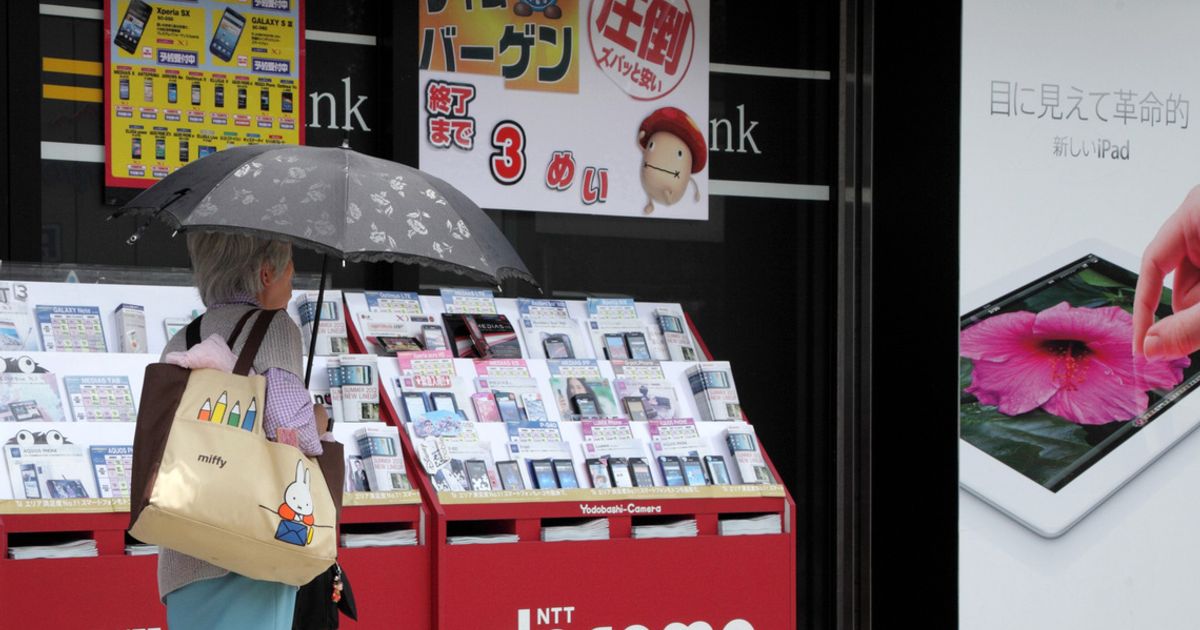
Photo: Straits Times Asia
Key points
- Consumer Commission recommends zero or near-zero billing caps for minors.
- Annual complaints regarding unauthorized carrier billing reach up to 6,000 cases.
- Major Japanese carriers are currently reviewing the proposal for implementation.
Japan's Consumer Commission has issued a formal recommendation urging mobile network operators to significantly reduce or entirely remove the carrier billing spending caps currently available to minors. This move follows a persistent trend of unauthorized financial transactions, particularly within smartphone gaming applications, where children have utilized the direct-to-bill payment method to make substantial, unapproved purchases.
Current industry standards allow for monthly spending limits that vary by age, with major carriers permitting up to 20,000 yen for minors and as much as 50,000 yen for users aged 18 and 19. Data from the Consumer Affairs Agency indicates that these billing systems have generated between 5,000 and 6,000 consumer complaints annually since fiscal year 2021. Beyond issues involving minors, the agency noted that elderly users have also reported confusion regarding unexplained charges on their mobile accounts.
The commission’s September report highlighted that the practice of enabling carrier billing by default for minors, combined with insufficient credit screening for adults, has exacerbated the risk of financial loss. Consequently, authorities are now calling for a policy shift where the default spending limit for minors is set to zero or a nominal amount, alongside stricter requirements for parental consent before any limit increases can be processed.
The stakes
If implemented, these changes will force mobile carriers to overhaul their billing infrastructure and user verification processes. Parents stand to gain greater control over household finances and protection against unexpected debt, while mobile operators face increased administrative costs and a potential reduction in transaction volume from digital gaming services.
Two readings
- Supporters view the proposal as a necessary consumer protection measure that shields vulnerable minors and families from predatory digital spending practices.
- Critics, including some industry stakeholders, may argue that the regulation imposes an undue burden on private businesses and restricts the autonomy of older teenagers who use mobile payments for legitimate services.
Source Straits Times Asia — straitstimes.com/asia/east-asia/japan-urges-lower-carrier-billing-c… ↗
Read next
 ✒️Opinion & Analysis
ICJ Rules Myanmar Military Committed Genocide Against Rohingya
The International Court of Justice has found Myanmar's military guilty of genocide against the Rohingya, a ruling that damages the international standing of both Aung San…
 🕯️Democracy & Rights
Chinese teachers face rising parental pressure over personal life choices
Chinese educators are encountering a surge in unreasonable demands from parents, including complaints regarding teachers' pregnancy and maternity leave.
 🛡️War & Security
Ukraine Restricts Media Coverage of Infrastructure Damage Amid Russian Strikes
President Volodymyr Zelenskyy has issued a decree prohibiting media outlets from reporting on the impact of Russian strikes against critical infrastructure and the status…
 🏮China & Taiwan
Beijing Reaffirms Reunification Stance Following Taiwan Local Election Results
China’s Taiwan Affairs Office declared that the island’s reunification with the mainland remains inevitable, despite recent shifts in Taiwan's local political landscape.
 🇪🇺Europe
US Air Force Repels Unauthorized Drone Incursion at RAF Lakenheath
U.S. security forces at a British air base successfully countered a group of unidentified drones, amid growing concerns over potential foreign state involvement.
 ⚖️Law & Policy
India Government Proposes 50% Increase in Parliamentary Seats and Women's Reservation
The Indian government plans to introduce legislation to expand the Lok Sabha to 850 seats and mandate a 33% reservation for women in legislative bodies.