China Struggles With Persistent Youth Joblessness Amid Tech Ambitions
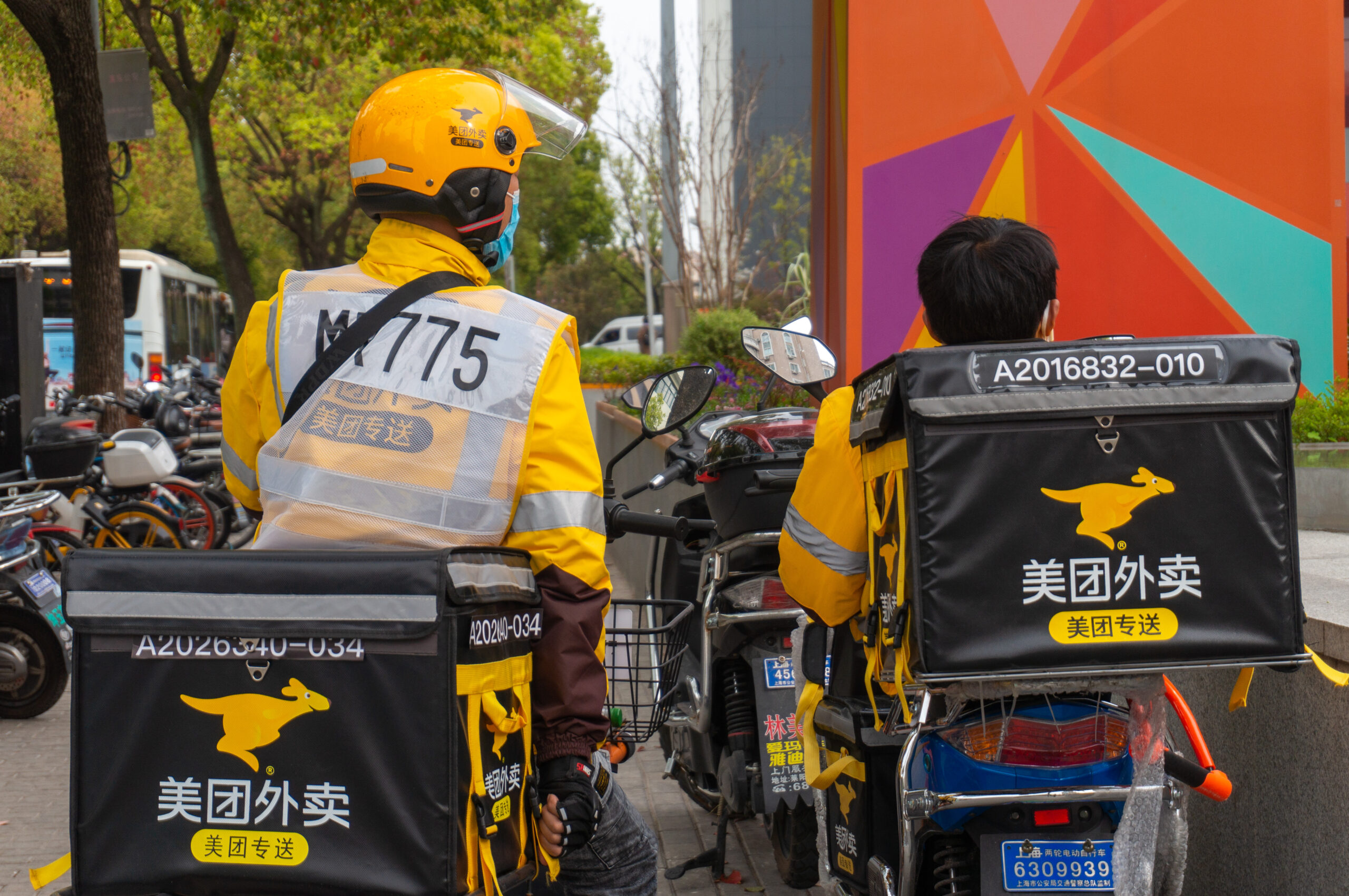
China's urban youth unemployment rate has climbed to roughly 18 percent, complicating Beijing's high-tech industrial ambitions and export-driven economic strategy.
 🛰️Tech & Power
Photo: Atlantic Council
Key points
- Urban youth unemployment in China has reached roughly 18 percent.
- The labor mismatch threatens Beijing's high-tech and artificial intelligence ambitions.
- Strained local governments struggle to fund employment and wage subsidies.
China's urban youth unemployment rate for individuals aged sixteen to twenty-four has reached approximately 18 percent, registering its worst September reading since official reporting resumed under a modified reporting method. Official figures indicate that the urban jobless rate for youth stands roughly three and a half times higher than the overall urban population rate of 5.2 percent, with the pressure extending to older graduates aged twenty-five to twenty-nine.
This persistent labor market slack poses significant challenges to Beijing's strategic goals in artificial intelligence, electric vehicles, and biotechnology. Analysts note that these high-tech ambitions rely heavily on effectively absorbing human capital, yet weaker domestic demand and structural mismatches have constrained job creation despite aggressive industrial policy measures.
The structural underutilization of young workers also hinders Beijing's broader objective to rebalance its national economy toward domestic consumption. As suppressed economic activity among young citizens limits consumerism, economic growth remains heavily reliant on exports, which have contributed to an expanding trade surplus amid ongoing trade friction with Western economies.
The stakes
If persistent youth unemployment remains unaddressed, China risks dragging down its long-term productivity and domestic consumer demand. While cash-strapped local governments struggle to fund effective wage subsidies, the nation's reliance on technology exports rather than jobs-rich infrastructure projects could reshape economic influence across the Global South.
Two readings
- Supporters view China's pivot toward advanced technology exports and cost-effective AI models as a successful adaptation to global economic shifts and lower compute barriers.
- Critics argue that high youth unemployment exposes deep structural flaws in China's economic model, signaling a failure to translate industrial policy into broad domestic prosperity.
Source Atlantic Council — atlanticcouncil.org/blogs/econographics/same-metric-still-a-mess-th… ↗
Read next
 ✒️Opinion & Analysis
ICJ Rules Myanmar Military Committed Genocide Against Rohingya
The International Court of Justice has found Myanmar's military guilty of genocide against the Rohingya, a ruling that damages the international standing of both Aung San…
 🕯️Democracy & Rights
Chinese teachers face rising parental pressure over personal life choices
Chinese educators are encountering a surge in unreasonable demands from parents, including complaints regarding teachers' pregnancy and maternity leave.
 🛡️War & Security
Ukraine Restricts Media Coverage of Infrastructure Damage Amid Russian Strikes
President Volodymyr Zelenskyy has issued a decree prohibiting media outlets from reporting on the impact of Russian strikes against critical infrastructure and the status…
 🏮China & Taiwan
Beijing Reaffirms Reunification Stance Following Taiwan Local Election Results
China’s Taiwan Affairs Office declared that the island’s reunification with the mainland remains inevitable, despite recent shifts in Taiwan's local political landscape.
 🇪🇺Europe
US Air Force Repels Unauthorized Drone Incursion at RAF Lakenheath
U.S. security forces at a British air base successfully countered a group of unidentified drones, amid growing concerns over potential foreign state involvement.
 ⚖️Law & Policy
India Government Proposes 50% Increase in Parliamentary Seats and Women's Reservation
The Indian government plans to introduce legislation to expand the Lok Sabha to 850 seats and mandate a 33% reservation for women in legislative bodies.