France and Malaysia Pursue Defence and Critical Minerals Partnership
French President Emmanuel Macron and Malaysian Prime Minister Anwar Ibrahim meet in Kuala Lumpur to elevate bilateral relations into a strategic partnership focusing on defence, energy, and rare earths.
 🛰️Tech & Power
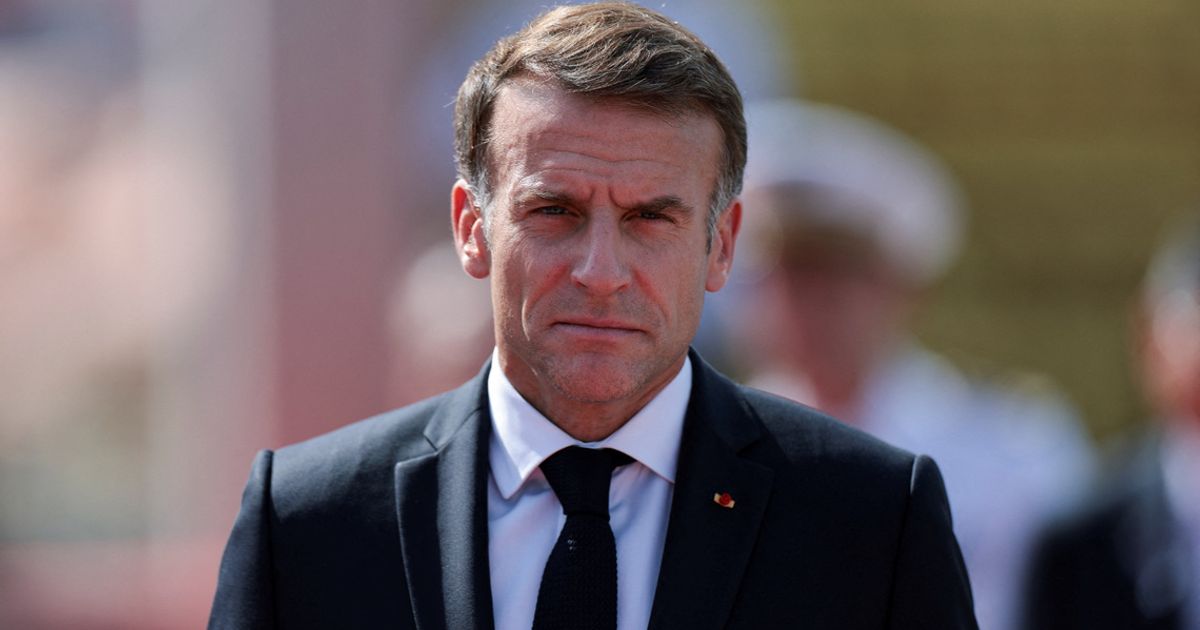
Photo: Straits Times Asia
Key points
- Emmanuel Macron and Anwar Ibrahim meet in Kuala Lumpur to forge a strategic partnership.
- Agreements target rare earths cooperation, including a separation plant in Perak state.
- Talks also encompass defence collaboration, cybersecurity, and semiconductor technology.
French President Emmanuel Macron and Malaysian Prime Minister Anwar Ibrahim are scheduled to meet in Kuala Lumpur on Tuesday to negotiate an upgraded strategic partnership encompassing defence, trade, energy transition, and critical minerals. The two-day visit marks Macron's first trip to the Southeast Asian nation since 2017, preceding the seventieth anniversary of diplomatic relations between Paris and Kuala Lumpur.
The talks aim to formalize several memoranda of understanding spanning strategic sectors. A central pillar of the French delegation's agenda involves securing diversified sources of rare earth elements, which are vital for manufacturing electric vehicles and consumer electronics. French enterprise Carester and Malaysian miner Malaco previously established a cooperation framework in July 2025, which includes plans for a rare earths separation facility in Malaysia's Perak state designed to process approximately 13,000 metric tons annually.
In addition to mineral supply chains, bilateral discussions will cover expanded defence cooperation, addressing cyber security, hybrid threats, and industrial partnerships. The diplomatic outreach arrives as Kuala Lumpur reviews its foreign military procurement criteria following export licensing challenges from Western suppliers.
The stakes
France gains a stable, non-Chinese supply stream of rare earths to safeguard its industrial manufacturing lines, while Malaysia secures high-tech foreign investment in semiconductor design, energy transition, and processing infrastructure. If fully realized, the partnership diminishes Western industrial vulnerability to Beijing's mineral dominance and diversifies Kuala Lumpur's defence and technology alliances.
Two readings
- Supporters read the agreement as a pragmatic diversification strategy that secures critical technological supply chains for Europe while bolstering Malaysia's industrial upgrading and defence capabilities.
- Critics view the pact with caution, questioning whether European industrial initiatives can sustainably rival entrenched supply monopolies or fully alleviate procurement reliability concerns in the Indo-Pacific.
Source Straits Times Asia — straitstimes.com/asia/france-malaysia-eye-defence-rare-earths-coope… ↗
Read next
 ✒️Opinion & Analysis
ICJ Rules Myanmar Military Committed Genocide Against Rohingya
The International Court of Justice has found Myanmar's military guilty of genocide against the Rohingya, a ruling that damages the international standing of both Aung San…
 🕯️Democracy & Rights
Chinese teachers face rising parental pressure over personal life choices
Chinese educators are encountering a surge in unreasonable demands from parents, including complaints regarding teachers' pregnancy and maternity leave.
 🛡️War & Security
Ukraine Restricts Media Coverage of Infrastructure Damage Amid Russian Strikes
President Volodymyr Zelenskyy has issued a decree prohibiting media outlets from reporting on the impact of Russian strikes against critical infrastructure and the status…
 🏮China & Taiwan
Beijing Reaffirms Reunification Stance Following Taiwan Local Election Results
China’s Taiwan Affairs Office declared that the island’s reunification with the mainland remains inevitable, despite recent shifts in Taiwan's local political landscape.
 🇪🇺Europe
US Air Force Repels Unauthorized Drone Incursion at RAF Lakenheath
U.S. security forces at a British air base successfully countered a group of unidentified drones, amid growing concerns over potential foreign state involvement.
 ⚖️Law & Policy
India Government Proposes 50% Increase in Parliamentary Seats and Women's Reservation
The Indian government plans to introduce legislation to expand the Lok Sabha to 850 seats and mandate a 33% reservation for women in legislative bodies.