Australian Government Considers Allowing Private Lawsuits Against Tech Giants Over Hate Speech
The Albanese government is weighing amendments to the Digital Duty of Care Bill that would grant citizens the right to sue social media companies for failing to mitigate online hate.
 🛰️Tech & Power
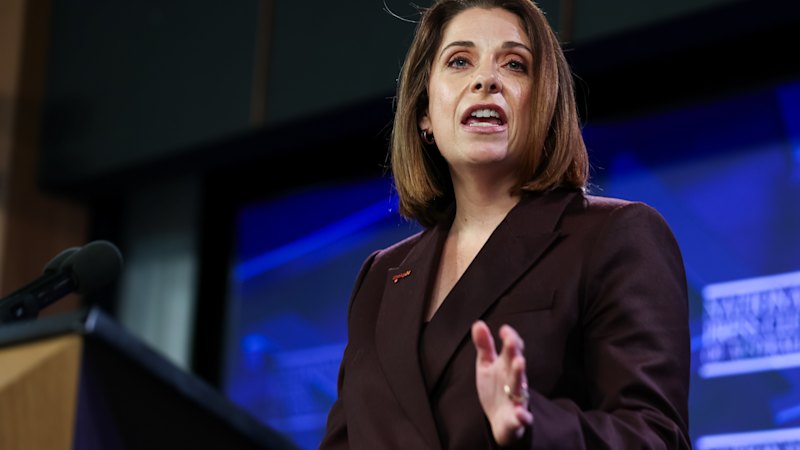
Photo: SMH Politics
Key points
- The Australian government is considering 'private right of action' amendments to allow citizens to sue tech firms over hate speech.
- A coalition of religious and civil rights groups is pushing for the bill to cover race, religion, and sexuality beyond its original focus on gender.
- Google and tech industry lobbies warn that the changes could overwhelm courts and lead to the suppression of free expression.
The Albanese government is weighing amendments to the Digital Duty of Care Bill that would grant Australian citizens the right to sue social media companies for failing to mitigate online hate speech. Prime Minister Anthony Albanese intends to pass the legislation by the end of the parliamentary year, though the government is currently negotiating with the Greens to secure the necessary votes. The proposed "private right of action" would allow individuals and groups to launch lawsuits and class actions against platforms that fail to police content based on race, religion, or sexuality.
While the original draft of the bill focused primarily on gender-based violence, a coalition of more than 80 organizations—including the Executive Council of Australian Jewry and the Islamic Council of Victoria—is pushing for broader protections. Supporters argue that the current regulatory framework is insufficient, noting that the eSafety Commission only takes action on a small fraction of the thousands of complaints it receives. Legal experts involved in the proposal suggest that tech giants currently profit from the propagation of extreme hate speech and must be held financially accountable through the courts.
Tech industry leaders have voiced strong opposition to the inclusion of private litigation. In a submission to a parliamentary inquiry, Google argued that the bill is modeled on workplace safety laws that typically preclude private lawsuits, suggesting that enforcement should remain with a dedicated regulator. The Computer and Communications Industry Association also warned that the threat of litigation could lead to the over-policing of "borderline" content, potentially impacting free expression. Meanwhile, the conservative Coalition has signaled resistance to the bill, citing concerns over its implications for free speech.
The stakes
If enacted, this legislation would position Australia as one of the most aggressive regulators of digital platforms in the world, shifting the burden of policing hate speech from the state to the private sector and individual litigants. Tech giants face the prospect of significant financial liabilities and a fundamental change to their algorithmic models, while minority groups would gain a direct legal mechanism to challenge digital harm. However, the move risks a standoff with the United States over trade and digital sovereignty if tech firms perceive the rules as an existential threat to their business models.
Two readings
- Supporters argue that social media companies have failed to self-regulate and that only the threat of private litigation will force them to prioritize public safety over the profits generated by inflammatory content.
- Critics contend that the bill creates a vague legal standard that will encourage vexatious lawsuits and lead to the preemptive censorship of legitimate political discourse by platforms seeking to avoid legal risk.
Source SMH Politics — smh.com.au/politics/federal/the-new-legal-weapon-aimed-at-big-tech-… ↗
Read next
 ✒️Opinion & Analysis
ICJ Rules Myanmar Military Committed Genocide Against Rohingya
The International Court of Justice has found Myanmar's military guilty of genocide against the Rohingya, a ruling that damages the international standing of both Aung San…
 🕯️Democracy & Rights
Chinese teachers face rising parental pressure over personal life choices
Chinese educators are encountering a surge in unreasonable demands from parents, including complaints regarding teachers' pregnancy and maternity leave.
 🛡️War & Security
Ukraine Restricts Media Coverage of Infrastructure Damage Amid Russian Strikes
President Volodymyr Zelenskyy has issued a decree prohibiting media outlets from reporting on the impact of Russian strikes against critical infrastructure and the status…
 🏮China & Taiwan
Beijing Reaffirms Reunification Stance Following Taiwan Local Election Results
China’s Taiwan Affairs Office declared that the island’s reunification with the mainland remains inevitable, despite recent shifts in Taiwan's local political landscape.
 🇪🇺Europe
US Air Force Repels Unauthorized Drone Incursion at RAF Lakenheath
U.S. security forces at a British air base successfully countered a group of unidentified drones, amid growing concerns over potential foreign state involvement.
 ⚖️Law & Policy
India Government Proposes 50% Increase in Parliamentary Seats and Women's Reservation
The Indian government plans to introduce legislation to expand the Lok Sabha to 850 seats and mandate a 33% reservation for women in legislative bodies.