Malaysia Faces Regulatory Hurdles Amid AI-Driven Economic Growth
Malaysia reported stronger-than-expected third-quarter growth fueled by AI demand, even as new US restrictions on advanced chip exports create geopolitical uncertainty.
 🛰️Tech & Power
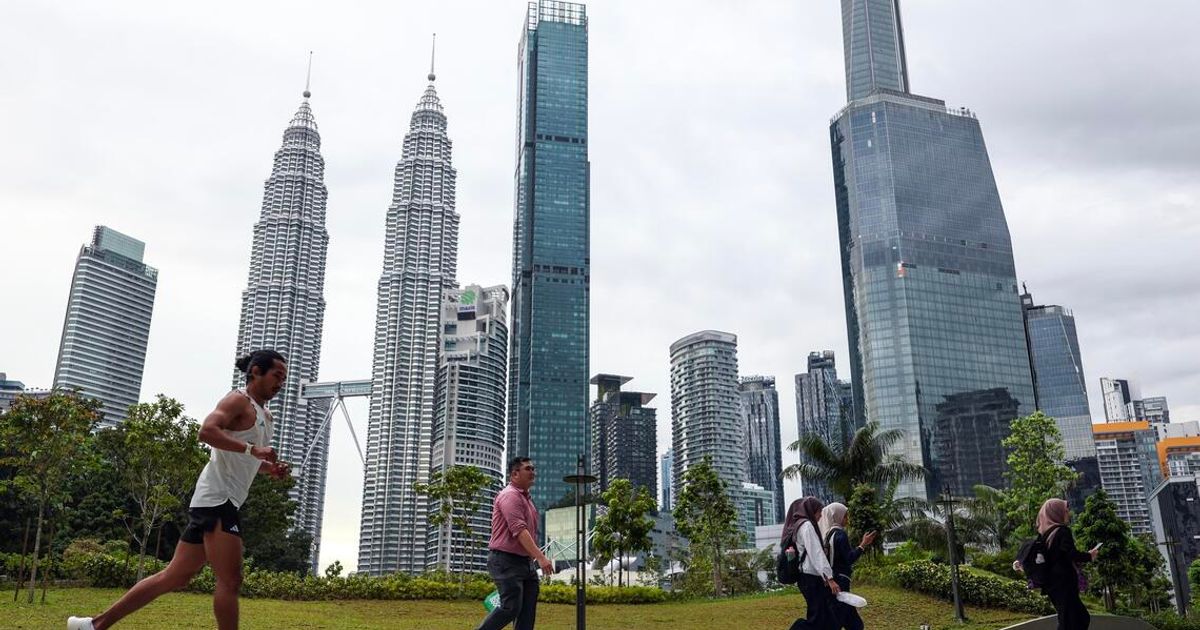
Photo: Straits Times Asia
Key points
- Malaysia's GDP grew 5.5% in Q3 2026, surpassing initial government forecasts.
- New US rules require licenses for importing advanced AI chips to prevent access by adversaries.
- Central bank officials are monitoring the geopolitical impact while maintaining a positive outlook for 2027.
Malaysia's economy expanded by 5.5% in the third quarter of 2026, exceeding initial estimates and signaling robust momentum driven by domestic spending and the global artificial intelligence boom. Bank Negara Malaysia reported that growth accelerated to 6.9% in September, bolstered by strong performance in the electrical and electronic sectors. Central bank governor Abdul Rasheed Ghaffour expressed optimism for continued expansion through 2027, though he acknowledged that the nation must navigate significant external risks, including potential conflicts in the Middle East and fluctuating commodity output.
A primary concern for the government is the introduction of new US Commerce Department rules requiring licenses for data center operators to purchase advanced AI chips from American manufacturers like Nvidia. These measures are designed to prevent adversaries, specifically China, from accessing high-end computing power through offshore facilities. While the central bank noted that Chinese firms represent only 13% of Malaysia's data center market, officials are currently assessing how these export controls will impact the nation's burgeoning tech infrastructure and future investment.
Despite these regulatory pressures, Malaysia has maintained economic stability through targeted fuel subsidies and a resilient ringgit, which has outperformed regional currencies against the dollar. Prime Minister Anwar Ibrahim’s administration continues to support household consumption through increased cash aid and minimum wage adjustments, aiming to sustain growth while monitoring global inflationary trends and potential supply chain disruptions.
The stakes
Malaysia risks losing its competitive edge as a regional data center hub if US export restrictions on AI hardware become overly burdensome. While the government stands to gain from continued tech investment, it faces a delicate balancing act to remain compliant with American security requirements without alienating key international partners or stifling its domestic digital economy.
Two readings
- Supporters argue that the AI boom provides a sustainable path for long-term economic development and that Malaysia’s diversified data center ownership will mitigate the impact of US sanctions.
- Critics contend that the country’s heavy reliance on the AI sector makes it vulnerable to shifting US foreign policy and that restrictive licensing could deter future global tech investment.
Source Straits Times Asia — straitstimes.com/asia/se-asia/malaysia-says-growth-stronger-than-ex… ↗
Read next
 ✒️Opinion & Analysis
ICJ Rules Myanmar Military Committed Genocide Against Rohingya
The International Court of Justice has found Myanmar's military guilty of genocide against the Rohingya, a ruling that damages the international standing of both Aung San…
 🕯️Democracy & Rights
Chinese teachers face rising parental pressure over personal life choices
Chinese educators are encountering a surge in unreasonable demands from parents, including complaints regarding teachers' pregnancy and maternity leave.
 🛡️War & Security
Ukraine Restricts Media Coverage of Infrastructure Damage Amid Russian Strikes
President Volodymyr Zelenskyy has issued a decree prohibiting media outlets from reporting on the impact of Russian strikes against critical infrastructure and the status…
 🏮China & Taiwan
Beijing Reaffirms Reunification Stance Following Taiwan Local Election Results
China’s Taiwan Affairs Office declared that the island’s reunification with the mainland remains inevitable, despite recent shifts in Taiwan's local political landscape.
 🇪🇺Europe
US Air Force Repels Unauthorized Drone Incursion at RAF Lakenheath
U.S. security forces at a British air base successfully countered a group of unidentified drones, amid growing concerns over potential foreign state involvement.
 ⚖️Law & Policy
India Government Proposes 50% Increase in Parliamentary Seats and Women's Reservation
The Indian government plans to introduce legislation to expand the Lok Sabha to 850 seats and mandate a 33% reservation for women in legislative bodies.