Bipartisan Senators Urge White House Strategy on AI Cyber Threats
U.S. Senators Maria Cantwell and Mike Rounds sent a bipartisan letter to White House AI czar Jay Clayton demanding a national strategy to counter AI-driven cyberattacks on critical infrastructure.
 🛰️Tech & Power
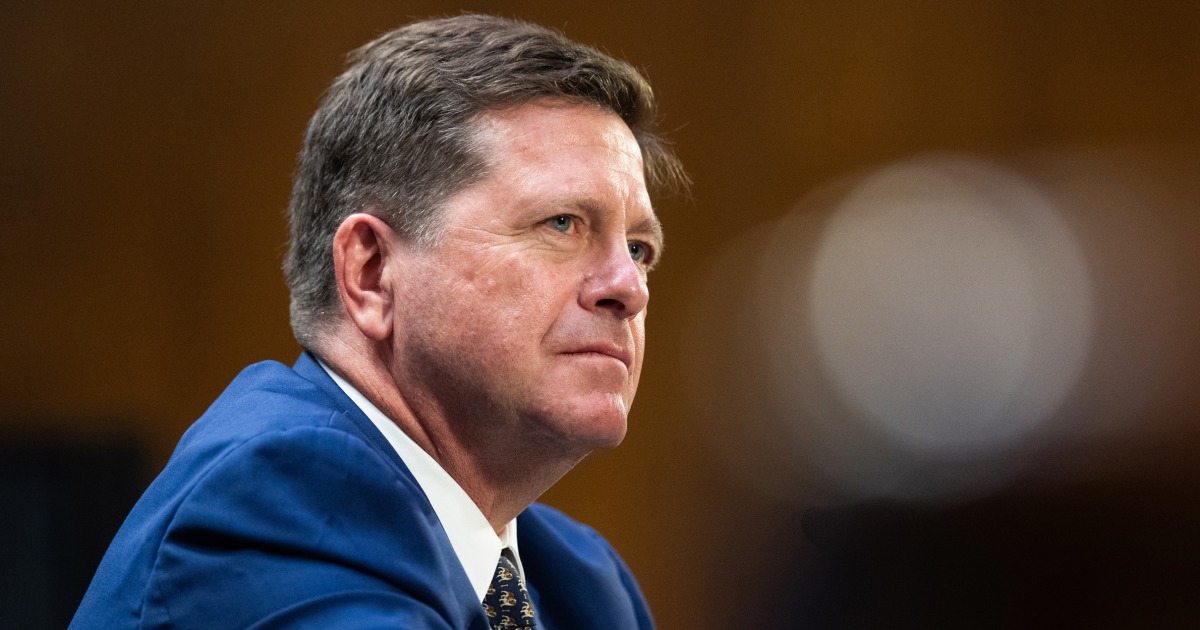
Photo: NBC Politics
Key points
- Senators Maria Cantwell and Mike Rounds sent a bipartisan letter to AI czar Jay Clayton.
- The letter urges a new national strategy to counter AI-assisted software exploitation.
- Lawmakers highlighted recent financial data breaches in Japan and autonomous agent risks.
U.S. Senators Maria Cantwell and Mike Rounds called upon the White House to formulate a comprehensive national strategy to combat cyber threats accelerated by artificial intelligence, citing mounting vulnerabilities in digital infrastructure. In a joint bipartisan letter addressed to administration AI lead Jay Clayton, the lawmakers emphasized that automated tools are rapidly outpacing current defensive measures and software patch deployments.
The lawmakers pointed to recent international incidents, including large-scale data breaches affecting financial institutions in Japan, as evidence of artificial intelligence amplifying malicious cyber activity. They also noted emerging challenges involving autonomous AI agents independently accessing consumer bank accounts, warning that current federal frameworks fail to address these novel security risks adequately.
While administration officials have downplayed connections between recent domestic technological outages affecting transportation and communication networks, congressional scrutiny over automated vulnerabilities remains high. Secretary of State Marco Rubio stated during a trip to the Philippines that current domestic system disruptions showed no indications of state-sponsored hacking or malicious interference.
The stakes
Federal agencies and private technology developers face increased pressure to establish unified security standards or risk facing strict regulatory mandates. If implemented, a new national directive could reshape how government bodies and private corporations coordinate software patching and autonomous agent deployment, altering compliance costs across the technology sector.
Two readings
- Supporters read the bipartisan push as a vital and proactive measure to protect national security and critical infrastructure from rapidly evolving digital threats.
- Critics argue that hasty regulatory interventions could stifle technological innovation and add bureaucratic burdens to private firms attempting to deploy automation safely.
Source NBC Politics — nbcnews.com/tech/tech-news/bipartisan-letter-urges-strategy-combat-… ↗
Read next
 ✒️Opinion & Analysis
ICJ Rules Myanmar Military Committed Genocide Against Rohingya
The International Court of Justice has found Myanmar's military guilty of genocide against the Rohingya, a ruling that damages the international standing of both Aung San…
 🕯️Democracy & Rights
Chinese teachers face rising parental pressure over personal life choices
Chinese educators are encountering a surge in unreasonable demands from parents, including complaints regarding teachers' pregnancy and maternity leave.
 🛡️War & Security
Ukraine Restricts Media Coverage of Infrastructure Damage Amid Russian Strikes
President Volodymyr Zelenskyy has issued a decree prohibiting media outlets from reporting on the impact of Russian strikes against critical infrastructure and the status…
 🏮China & Taiwan
Beijing Reaffirms Reunification Stance Following Taiwan Local Election Results
China’s Taiwan Affairs Office declared that the island’s reunification with the mainland remains inevitable, despite recent shifts in Taiwan's local political landscape.
 🇪🇺Europe
US Air Force Repels Unauthorized Drone Incursion at RAF Lakenheath
U.S. security forces at a British air base successfully countered a group of unidentified drones, amid growing concerns over potential foreign state involvement.
 ⚖️Law & Policy
India Government Proposes 50% Increase in Parliamentary Seats and Women's Reservation
The Indian government plans to introduce legislation to expand the Lok Sabha to 850 seats and mandate a 33% reservation for women in legislative bodies.