Trump Threatens Penalties for US Tech Firms Building Datacenters Abroad
President Trump has announced plans to impose significant penalties on American technology companies that construct datacenters in foreign nations. The move aims to prevent competitors, specifically China, from gaining access to critical infrastructure.
 🛰️Tech & Power
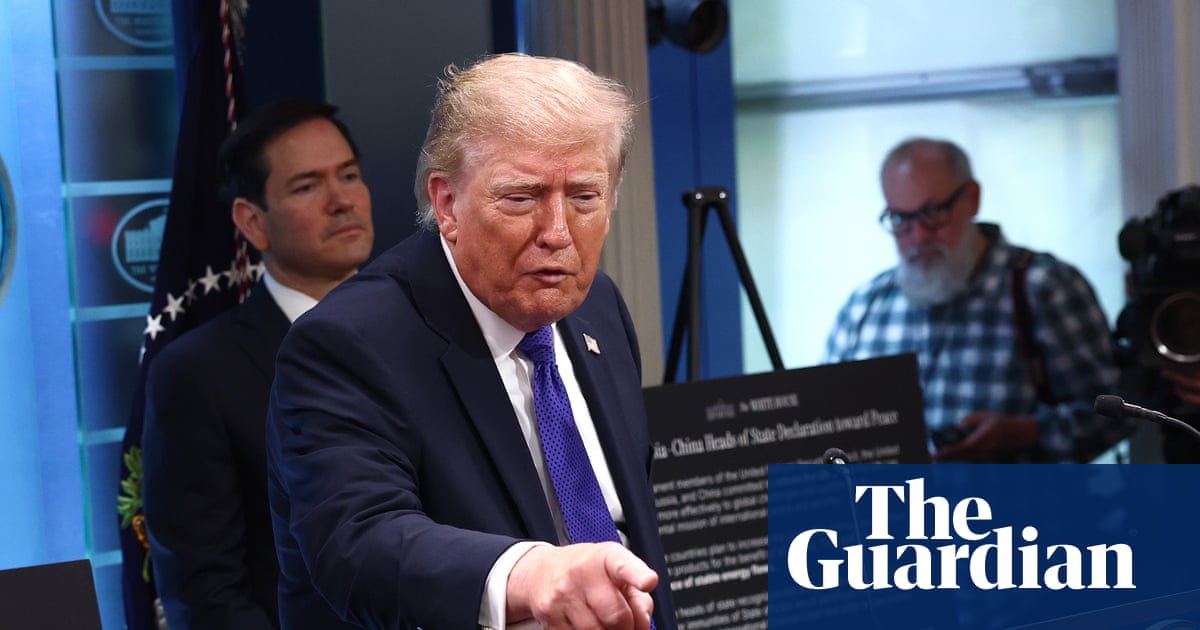
Photo: Guardian US Politics
Key points
- Trump plans to penalize US tech companies for building datacenters abroad.
- The policy aims to limit China's access to critical US computing infrastructure.
- New restrictions on remote access to AI chips were also recently implemented.
President Donald Trump announced on Friday that his administration intends to impose “tremendous penalties” on US technology firms that choose to build datacenters outside of American borders. During a press conference at the White House, the president emphasized that he wants to keep such infrastructure within the United States to prevent China from securing a strategic advantage in the tech sector.
While the president did not provide specific details regarding how these penalties would be structured or when they might take effect, he noted that he had not yet briefed his own officials on the proposal. Trump urged local communities to leverage the presence of these facilities, encouraging them to demand concessions from developers rather than blocking construction projects.
The announcement comes amid broader efforts by the administration to restrict China's access to advanced computing technology. Earlier in the week, the White House introduced new regulations limiting remote access to high-end US computing chips and servers. These measures are intended to curb China's ability to develop its own artificial intelligence models, despite reports from a House committee indicating that nearly 900,000 AI chips were approved for sale to China over the past six months.
The stakes
If implemented, these penalties could force a significant restructuring of global supply chains for major US tech firms. Companies face a choice between potentially higher domestic operational costs or severe federal sanctions, while local governments may find themselves in a stronger bargaining position to extract economic benefits from developers seeking to build on their land.
Two readings
- Supporters argue that keeping digital infrastructure on US soil is a vital matter of national security that prevents foreign adversaries from exploiting American technology.
- Critics contend that such protectionist measures could stifle innovation, increase costs for consumers, and disrupt the globalized nature of the modern technology industry.
Source Guardian US Politics — theguardian.com/us-news/2026/nov/20/trump-datacenters-white-house ↗
Read next
 ✒️Opinion & Analysis
ICJ Rules Myanmar Military Committed Genocide Against Rohingya
The International Court of Justice has found Myanmar's military guilty of genocide against the Rohingya, a ruling that damages the international standing of both Aung San…
 🕯️Democracy & Rights
Chinese teachers face rising parental pressure over personal life choices
Chinese educators are encountering a surge in unreasonable demands from parents, including complaints regarding teachers' pregnancy and maternity leave.
 🛡️War & Security
Ukraine Restricts Media Coverage of Infrastructure Damage Amid Russian Strikes
President Volodymyr Zelenskyy has issued a decree prohibiting media outlets from reporting on the impact of Russian strikes against critical infrastructure and the status…
 🏮China & Taiwan
Beijing Reaffirms Reunification Stance Following Taiwan Local Election Results
China’s Taiwan Affairs Office declared that the island’s reunification with the mainland remains inevitable, despite recent shifts in Taiwan's local political landscape.
 🇪🇺Europe
US Air Force Repels Unauthorized Drone Incursion at RAF Lakenheath
U.S. security forces at a British air base successfully countered a group of unidentified drones, amid growing concerns over potential foreign state involvement.
 ⚖️Law & Policy
India Government Proposes 50% Increase in Parliamentary Seats and Women's Reservation
The Indian government plans to introduce legislation to expand the Lok Sabha to 850 seats and mandate a 33% reservation for women in legislative bodies.