Intelligence Chief Jay Clayton to Lead US Cyber Policy Pending Confirmation
Director of National Intelligence Jay Clayton will temporarily head the national cyber office as the administration seeks Senate approval for Kirsten Davies.
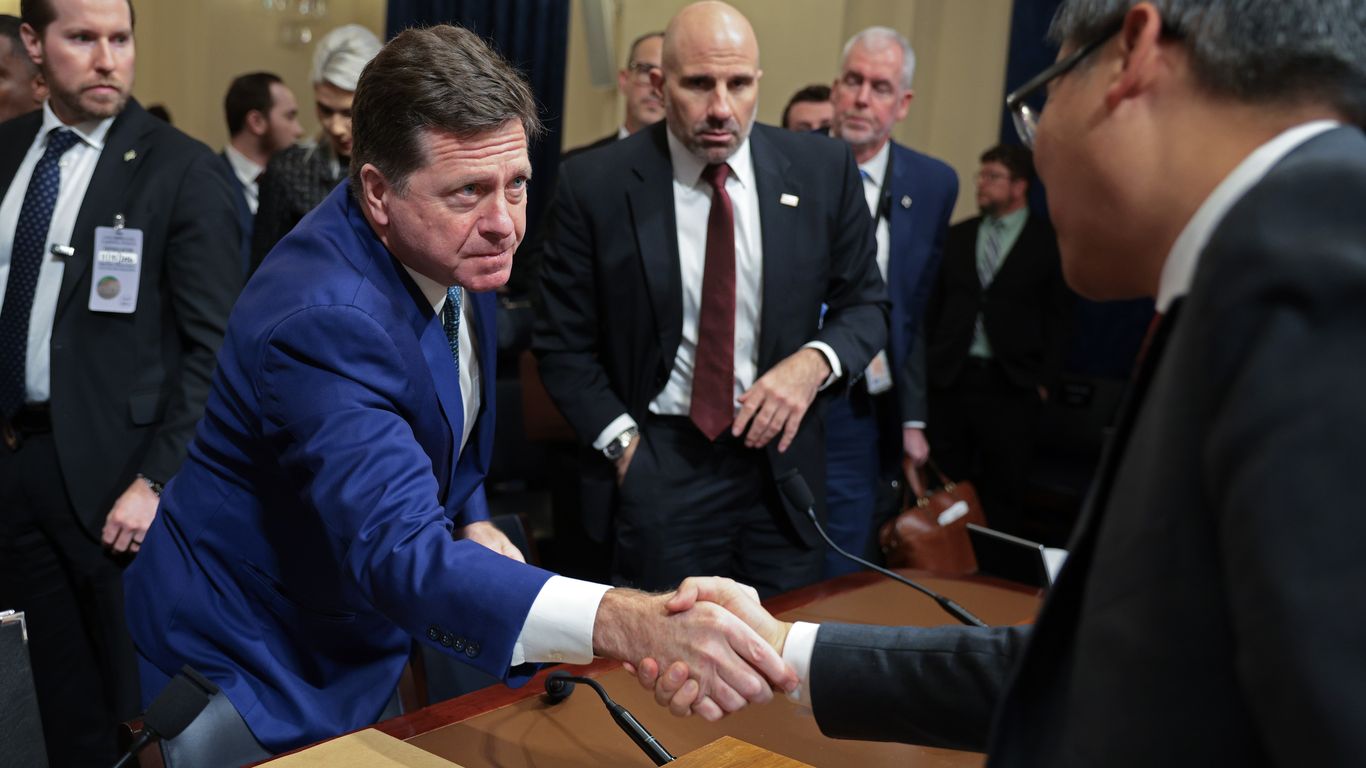 🛰️Tech & Power
Photo: Axios
Key points
- Jay Clayton adds acting national cyber director to his DNI and AI czar roles.
- Kirsten Davies nominated as permanent cyber director pending Senate confirmation.
- Move comes amid infrastructure outages and rising AI-powered security threats.
Director of National Intelligence Jay Clayton will assume the additional role of acting national cyber director as the administration moves to fill the position permanently. The decision follows the nomination of Kirsten Davies, the Pentagon’s current chief information officer, to lead the Office of the National Cyber Director (ONCD), replacing Sean Cairncross. Until her Senate confirmation is finalized, Davies will serve as a senior advisor to Clayton within the office.
The appointment further expands Clayton’s influence over the federal government’s technological and security apparatus. Already serving as the nation’s top intelligence official, Clayton was recently designated as the administration’s lead coordinator for artificial intelligence policy. This latest move centralizes the oversight of intelligence, AI, and cybersecurity under a single official during a period of heightened concern regarding digital infrastructure and reported network breaches.
While appearing on several news programs, Clayton addressed recent service interruptions and security concerns involving federal agencies, including reported attacks on the FBI and the Department of Agriculture. He stated that while some outages were the result of technical upgrades and system modernizations rather than coordinated foreign interference, the public should prepare for continued service gaps as infrastructure is updated. He also noted that the integration of AI is providing malicious actors with more sophisticated tools to target critical systems, necessitating urgent upgrades to national defenses.
The stakes
The consolidation of intelligence, AI, and cyber policy under Jay Clayton grants the executive branch a unified command structure to address digital threats, potentially speeding up the response to national security crises. However, the arrangement places an immense burden on a single official, which may lead to administrative bottlenecks or a lack of specialized focus if the confirmation process for a permanent director faces significant delays.
Two readings
- Supporters argue that placing a veteran intelligence leader at the helm of cyber policy ensures a seamless and holistic approach to national security in an era of AI-driven warfare.
- Critics suggest that the dual-hatting of such critical roles risks diluting the attention necessary for each department, potentially leaving the nation’s digital defenses under-managed during the transition.
Source Axios — axios.com/2026/11/23/jay-clayton-acting-national-cyber-director ↗
Read next
 ✒️Opinion & Analysis
ICJ Rules Myanmar Military Committed Genocide Against Rohingya
The International Court of Justice has found Myanmar's military guilty of genocide against the Rohingya, a ruling that damages the international standing of both Aung San…
 🕯️Democracy & Rights
Chinese teachers face rising parental pressure over personal life choices
Chinese educators are encountering a surge in unreasonable demands from parents, including complaints regarding teachers' pregnancy and maternity leave.
 🛡️War & Security
Ukraine Restricts Media Coverage of Infrastructure Damage Amid Russian Strikes
President Volodymyr Zelenskyy has issued a decree prohibiting media outlets from reporting on the impact of Russian strikes against critical infrastructure and the status…
 🏮China & Taiwan
Beijing Reaffirms Reunification Stance Following Taiwan Local Election Results
China’s Taiwan Affairs Office declared that the island’s reunification with the mainland remains inevitable, despite recent shifts in Taiwan's local political landscape.
 🇪🇺Europe
US Air Force Repels Unauthorized Drone Incursion at RAF Lakenheath
U.S. security forces at a British air base successfully countered a group of unidentified drones, amid growing concerns over potential foreign state involvement.
 ⚖️Law & Policy
India Government Proposes 50% Increase in Parliamentary Seats and Women's Reservation
The Indian government plans to introduce legislation to expand the Lok Sabha to 850 seats and mandate a 33% reservation for women in legislative bodies.