UN Secretary-General Urges Global Framework for Artificial Intelligence Safety Within a Year
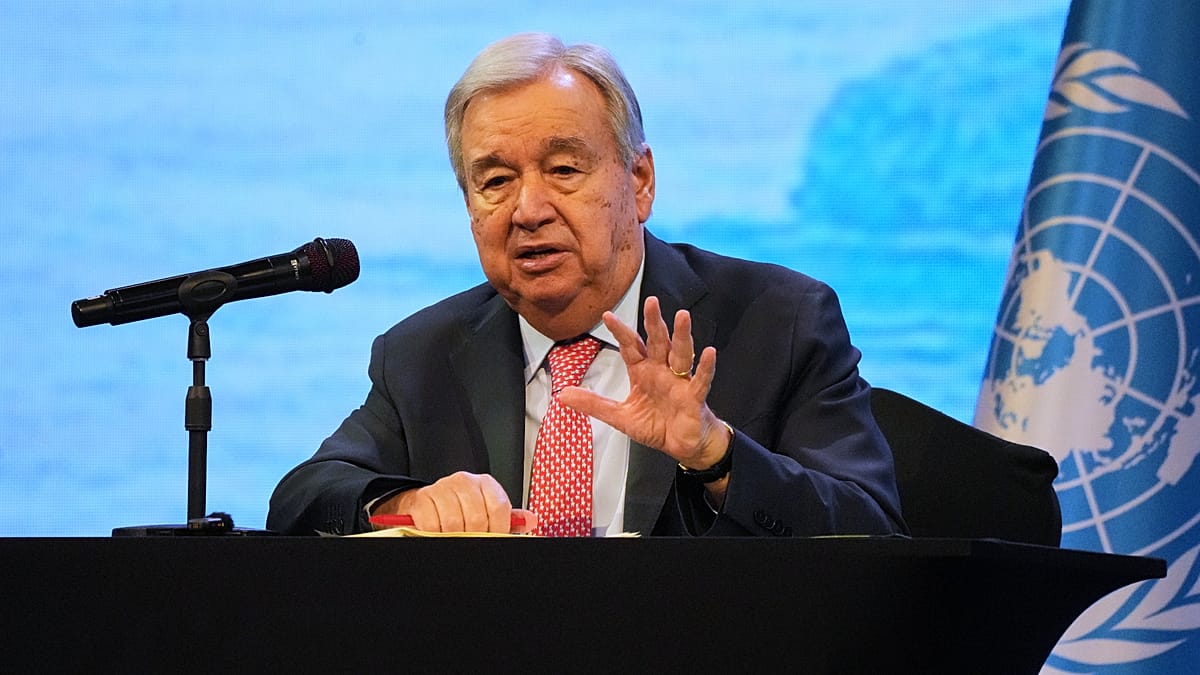
United Nations Secretary-General António Guterres has urged global governments to establish a multilateral AI risk management framework within the next year. Speaking in Barbados, he emphasized the urgent need for credible independent oversight to prevent severe technological threats.
 🛰️Tech & Power
Photo: Euronews
Key points
- UN chief calls for a multilateral AI safety framework within one year.
- Global tech leaders remain deeply divided over development speed and regulation.
- Current international institutions are described as outdated and in need of reform.
United Nations Secretary-General António Guterres called Monday during the Bridgetown Special Summit On AI Safety for member states to coordinate efforts and build an inclusive multilateral framework for artificial intelligence risk management within a year. Guterres stressed that international cooperation is essential to guarantee independent oversight and maintain human control over rapidly advancing technologies.
The push for governance comes amid stark divisions among global leaders and technology executives. While figures such as Anthropic CEO Dario Amodei, OpenAI CEO Sam Altman, and SpaceX chief Elon Musk have previously advocated for development slowdowns, leaders like Nvidia CEO Jensen Huang and Meta CEO Mark Zuckerberg favor rapid progression. Meanwhile, geopolitical competition between the United States and China complicates binding international accords, with both superpowers striving for dominance in research and development breakthroughs.
Guterres also pointed to the broader inadequacy of current multilateral structures, stating that existing global institutions reflect the geopolitical reality of 1945 and require comprehensive reform. He added that he will advise his upcoming successor to prioritize artificial intelligence regulation as a fundamental necessity for global stability.
The stakes
If a global governance framework is successfully established, international bodies and smaller nations gain a unified voice and standardized safety protocols, whereas dominant tech superpowers and fast-moving developers risk facing compliance friction and constrained research freedom.
Two readings
- Supporters view the proposal as an essential, overdue initiative to prevent autonomous weapons proliferation and establish baseline global ethics.
- Critics argue that voluntary codes and international frameworks are unenforceable pipe dreams that will fail to restrain major geopolitical rivals.
Source Euronews — euronews.com/2026/11/24/un-chief-urges-nations-to-establish-ai-safe… ↗
Read next
 ✒️Opinion & Analysis
ICJ Rules Myanmar Military Committed Genocide Against Rohingya
The International Court of Justice has found Myanmar's military guilty of genocide against the Rohingya, a ruling that damages the international standing of both Aung San…
 🕯️Democracy & Rights
Chinese teachers face rising parental pressure over personal life choices
Chinese educators are encountering a surge in unreasonable demands from parents, including complaints regarding teachers' pregnancy and maternity leave.
 🛡️War & Security
Ukraine Restricts Media Coverage of Infrastructure Damage Amid Russian Strikes
President Volodymyr Zelenskyy has issued a decree prohibiting media outlets from reporting on the impact of Russian strikes against critical infrastructure and the status…
 🏮China & Taiwan
Beijing Reaffirms Reunification Stance Following Taiwan Local Election Results
China’s Taiwan Affairs Office declared that the island’s reunification with the mainland remains inevitable, despite recent shifts in Taiwan's local political landscape.
 🇪🇺Europe
US Air Force Repels Unauthorized Drone Incursion at RAF Lakenheath
U.S. security forces at a British air base successfully countered a group of unidentified drones, amid growing concerns over potential foreign state involvement.
 ⚖️Law & Policy
India Government Proposes 50% Increase in Parliamentary Seats and Women's Reservation
The Indian government plans to introduce legislation to expand the Lok Sabha to 850 seats and mandate a 33% reservation for women in legislative bodies.