Middle Powers Seek Flexible AI Partnerships Amid US-China Competition
Nations are increasingly rejecting rigid alignment in favor of issue-specific cooperation with both Washington and Beijing regarding artificial intelligence governance.
 🛰️Tech & Power
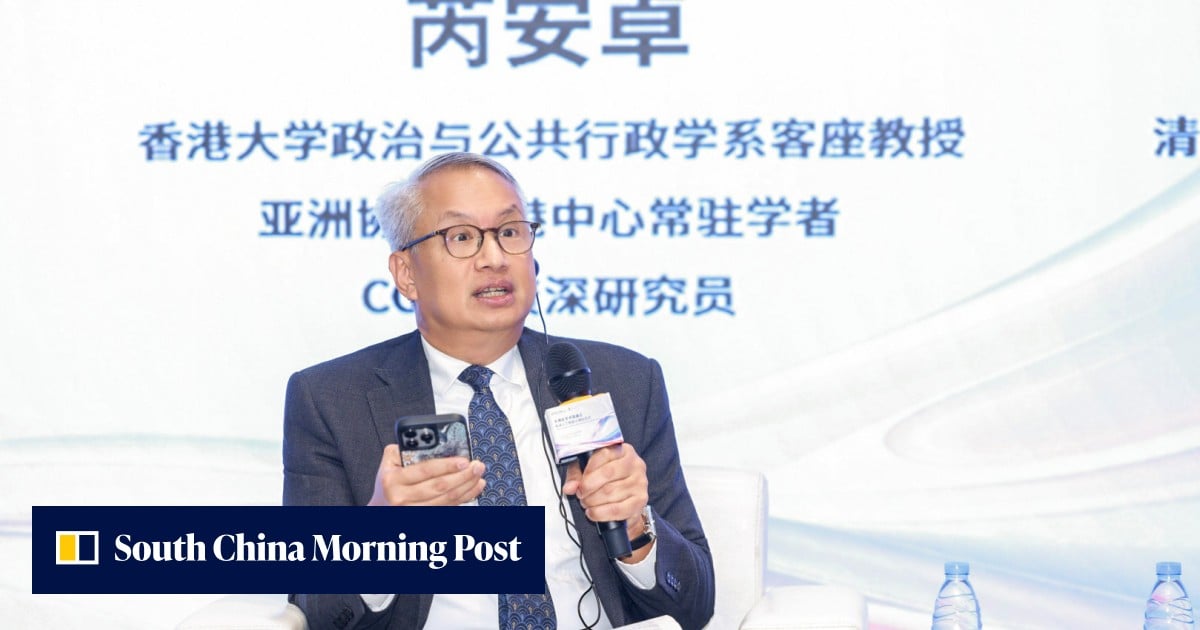
Photo: SCMP China
Key points
- Middle powers reject rigid alignment in AI development.
- Nations prefer issue-specific partnerships with both US and China.
- Strategic autonomy is becoming a priority for global tech governance.
Middle-tier nations are increasingly adopting a strategic approach to artificial intelligence, favoring flexible, issue-specific partnerships over rigid, bloc-based alliances. Experts speaking at a recent AI governance panel highlighted a growing trend where these countries seek to remain "plugged in" to global technological advancements without becoming "locked in" to the geopolitical rivalry between the United States and China.
Alejandro Reyes, an adjunct professor at the University of Hong Kong, noted that middle powers are actively exercising their agency by navigating the competing interests of the two superpowers. Rather than committing to a singular technological ecosystem, these nations are evaluating AI cooperation on a case-by-case basis. This method allows them to leverage advancements from both Washington and Beijing while maintaining their own regulatory and economic sovereignty.
The shift reflects a broader desire among secondary powers to avoid the risks associated with total technological decoupling. By maintaining open channels with both major powers, these nations aim to mitigate the impact of trade restrictions and security mandates that often accompany AI development. This strategy emphasizes national interest as the primary driver for international tech engagement.
The stakes
If this flexible approach succeeds, middle powers may avoid becoming collateral damage in the US-China tech war, preserving their ability to integrate diverse AI tools. However, failure to maintain this balance could lead to increased pressure from both superpowers to choose sides, potentially forcing these nations to sacrifice access to critical infrastructure or global markets.
Two readings
- Supporters argue this strategy fosters a more multipolar and resilient global tech ecosystem that prevents total dominance by any single actor.
- Critics contend that such "hedging" is unsustainable and may ultimately leave middle powers vulnerable to technological fragmentation or security risks.
Source SCMP China — scmp.com/news/china/diplomacy/article/3373682/plugged-not-locked-mi… ↗
Read next
 ✒️Opinion & Analysis
ICJ Rules Myanmar Military Committed Genocide Against Rohingya
The International Court of Justice has found Myanmar's military guilty of genocide against the Rohingya, a ruling that damages the international standing of both Aung San…
 🕯️Democracy & Rights
Chinese teachers face rising parental pressure over personal life choices
Chinese educators are encountering a surge in unreasonable demands from parents, including complaints regarding teachers' pregnancy and maternity leave.
 🛡️War & Security
Ukraine Restricts Media Coverage of Infrastructure Damage Amid Russian Strikes
President Volodymyr Zelenskyy has issued a decree prohibiting media outlets from reporting on the impact of Russian strikes against critical infrastructure and the status…
 🏮China & Taiwan
Beijing Reaffirms Reunification Stance Following Taiwan Local Election Results
China’s Taiwan Affairs Office declared that the island’s reunification with the mainland remains inevitable, despite recent shifts in Taiwan's local political landscape.
 🇪🇺Europe
US Air Force Repels Unauthorized Drone Incursion at RAF Lakenheath
U.S. security forces at a British air base successfully countered a group of unidentified drones, amid growing concerns over potential foreign state involvement.
 ⚖️Law & Policy
India Government Proposes 50% Increase in Parliamentary Seats and Women's Reservation
The Indian government plans to introduce legislation to expand the Lok Sabha to 850 seats and mandate a 33% reservation for women in legislative bodies.