France Rules Out No Options After Suspected Iranian Cyberattack on Infrastructure
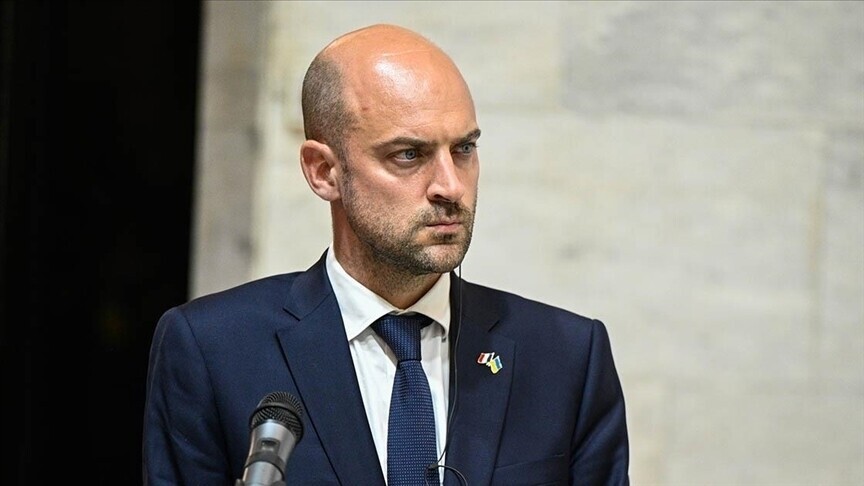
French Foreign Minister Jean-Noel Barrot announced that Paris considers all responses possible following a cyberattack on national refrigeration sites linked to Iran's Islamic Revolutionary Guard Corps.
 🛰️Tech & Power
Photo: Anadolu
Key points
- France considers measures beyond diplomacy against Iran-linked cyberattack
- Incident targeted around 700 supermarket refrigeration sites on Oct. 11
- Paris prosecutors seek international arrest warrants for Iranian cyber unit leaders
French Foreign Minister Jean-Noel Barrot stated on Tuesday that the government is weighing all potential countermeasures against a recent cyber assault directed at domestic refrigeration facilities, signaling that actions could extend far beyond traditional diplomatic protests and European Union sanctions.
The security breach, which took place overnight on October 11, impacted approximately 700 supermarket locations across the country. French intelligence agencies have connected the incident to an offensive cyber unit within the Iranian Islamic Revolutionary Guard Corps, according to reports from domestic media.
In response to the security breach, Paris prosecutors launched a formal inquiry focusing on the commander of the Iranian Shahid Kaveh group, an offensive cyber division linked to the IRGC's Electronic and Cyber Center, along with two deputy leaders. Investigators have also moved to secure international arrest warrants regarding the case.
Barrot highlighted that national cyber defense policies grant authorities the flexibility to execute a variety of measures, though specific operational details remain undisclosed. He also pointed to ongoing parliamentary deliberations over a resilience bill designed to incorporate European Union directives into domestic statute, which aims to enhance defensive capabilities and provide state entities with advanced containment tools.
The stakes
France gains a clearer legal and defensive framework to deter foreign state-sponsored cyber operations, while Iran risks further international isolation and severe counter-measures. If the proposed resilience legislation passes, critical national infrastructure will face stricter regulatory oversight and enhanced state protection.
Two readings
- Supporters read the firm stance as a necessary display of sovereignty and a vital deterrent against hostile state-sponsored cyber activities targeting civilian infrastructure.
- Critics argue that aggressive retaliation risks escalating diplomatic tensions without providing immediate technical security to vulnerable commercial networks.
Source Anadolu — aa.com.tr/en/world/france-rules-nothing-out-in-response-to-suspecte… ↗
Read next
 ✒️Opinion & Analysis
ICJ Rules Myanmar Military Committed Genocide Against Rohingya
The International Court of Justice has found Myanmar's military guilty of genocide against the Rohingya, a ruling that damages the international standing of both Aung San…
 🕯️Democracy & Rights
Chinese teachers face rising parental pressure over personal life choices
Chinese educators are encountering a surge in unreasonable demands from parents, including complaints regarding teachers' pregnancy and maternity leave.
 🛡️War & Security
Ukraine Restricts Media Coverage of Infrastructure Damage Amid Russian Strikes
President Volodymyr Zelenskyy has issued a decree prohibiting media outlets from reporting on the impact of Russian strikes against critical infrastructure and the status…
 🏮China & Taiwan
Beijing Reaffirms Reunification Stance Following Taiwan Local Election Results
China’s Taiwan Affairs Office declared that the island’s reunification with the mainland remains inevitable, despite recent shifts in Taiwan's local political landscape.
 🇪🇺Europe
US Air Force Repels Unauthorized Drone Incursion at RAF Lakenheath
U.S. security forces at a British air base successfully countered a group of unidentified drones, amid growing concerns over potential foreign state involvement.
 ⚖️Law & Policy
India Government Proposes 50% Increase in Parliamentary Seats and Women's Reservation
The Indian government plans to introduce legislation to expand the Lok Sabha to 850 seats and mandate a 33% reservation for women in legislative bodies.