Musician Nick Cave Criticizes AI Songwriting as 'Soul-Destroying' Humiliation
Musician Nick Cave has issued a sharp critique of generative AI in music, arguing that automated song platforms threaten to hollow out human creativity and replace the artist entirely.
 🛰️Tech & Power
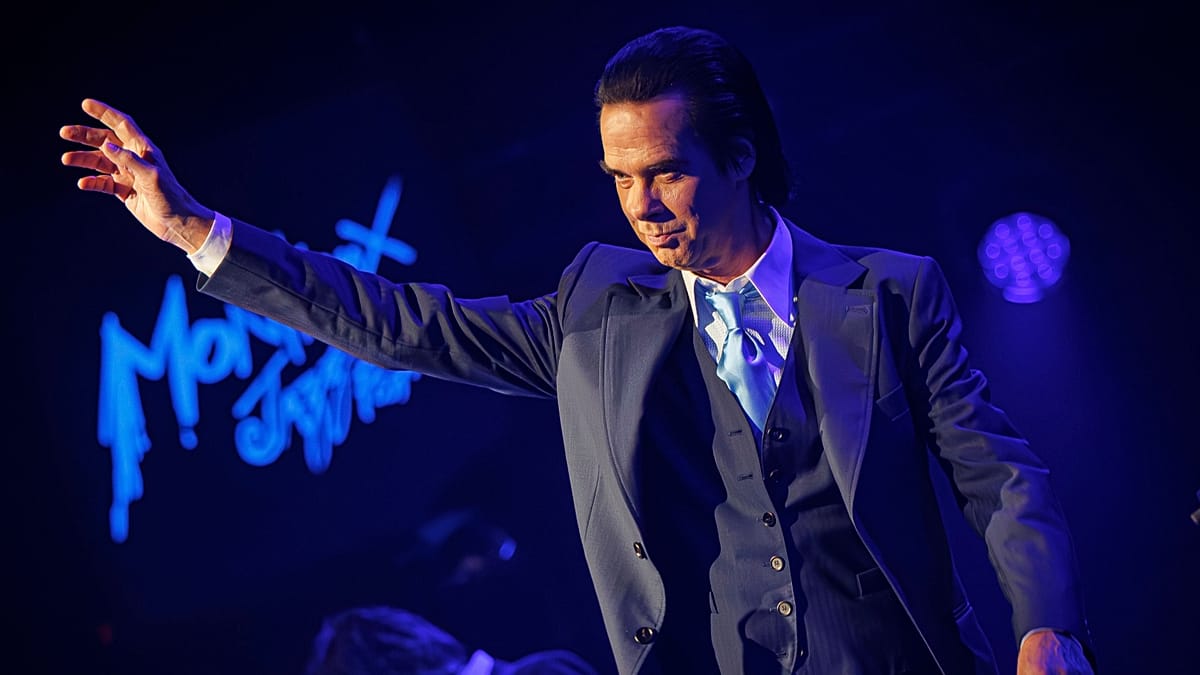
Photo: Euronews
Key points
- Nick Cave condemns AI song generators as a threat to human creativity.
- The musician argues that AI lacks the lived experience necessary for authentic art.
- Cave warns that AI platforms could lead to the complete removal of artists from the creative equation.
Renowned musician Nick Cave has renewed his public opposition to artificial intelligence in the creative arts, labeling AI-driven song generation platforms as a profound threat to human expression. In a recent entry for his newsletter, The Red Hand Files, Cave described the technology as a "soul-destroying humiliation" that mocks the nature of human striving by reducing artistic creation to a mere product.
Cave specifically targeted platforms like Suno, arguing that because AI lacks the capacity for genuine human experience—such as grief, joy, or heartbreak—it cannot produce authentic art. He characterized these tools as a "Great Cancellator" that effectively removes the flawed, human artist from the creative process, potentially satisfying those who seek to eliminate problematic figures in culture by replacing them with algorithmic imitations.
While Cave previously expressed a nuanced view after witnessing AI used for visual animation in a film project, his stance on songwriting remains firm. He contends that art and the artist are fundamentally inseparable, and that the rise of automated music generation represents an affront to songwriters who dedicate their lives to the craft.
The stakes
The debate centers on the future of intellectual property and the definition of artistic labor. If generative AI becomes the industry standard, songwriters and musicians risk losing their professional relevance and compensation, while the market may be flooded with low-cost, algorithmically generated content that lacks the emotional depth historically associated with human-composed music.
Two readings
- Supporters of AI music technology argue that these tools democratize creativity, provide new instruments for experimentation, and allow individuals without traditional training to express themselves musically.
- Critics, including Cave, maintain that AI-generated music is a hollow mimicry that devalues human labor, threatens the livelihoods of professional artists, and erodes the cultural significance of art born from lived experience.
Source Euronews — euronews.com/2026/11/11/our-final-most-soul-destroying-humiliation-… ↗
Read next
 ✒️Opinion & Analysis
ICJ Rules Myanmar Military Committed Genocide Against Rohingya
The International Court of Justice has found Myanmar's military guilty of genocide against the Rohingya, a ruling that damages the international standing of both Aung San…
 🕯️Democracy & Rights
Chinese teachers face rising parental pressure over personal life choices
Chinese educators are encountering a surge in unreasonable demands from parents, including complaints regarding teachers' pregnancy and maternity leave.
 🛡️War & Security
Ukraine Restricts Media Coverage of Infrastructure Damage Amid Russian Strikes
President Volodymyr Zelenskyy has issued a decree prohibiting media outlets from reporting on the impact of Russian strikes against critical infrastructure and the status…
 🏮China & Taiwan
Beijing Reaffirms Reunification Stance Following Taiwan Local Election Results
China’s Taiwan Affairs Office declared that the island’s reunification with the mainland remains inevitable, despite recent shifts in Taiwan's local political landscape.
 🇪🇺Europe
US Air Force Repels Unauthorized Drone Incursion at RAF Lakenheath
U.S. security forces at a British air base successfully countered a group of unidentified drones, amid growing concerns over potential foreign state involvement.
 ⚖️Law & Policy
India Government Proposes 50% Increase in Parliamentary Seats and Women's Reservation
The Indian government plans to introduce legislation to expand the Lok Sabha to 850 seats and mandate a 33% reservation for women in legislative bodies.