El Niño Flooding Disrupts Infrastructure and Elections in Peru and Ecuador
Severe flooding caused by the El Niño climate phenomenon has triggered emergency evacuations, infrastructure damage, and electoral disruptions across Peru and Ecuador.
 🚢Sanctions & Trade
Photo: ABC World
Key points
- Severe flooding has forced evacuations and closed major transit routes in Peru and Ecuador.
- President Keiko Fujimori is coordinating international aid to address the 'mega Niño' crisis.
- Rising food prices and inflation are fueling economic instability and public concern.
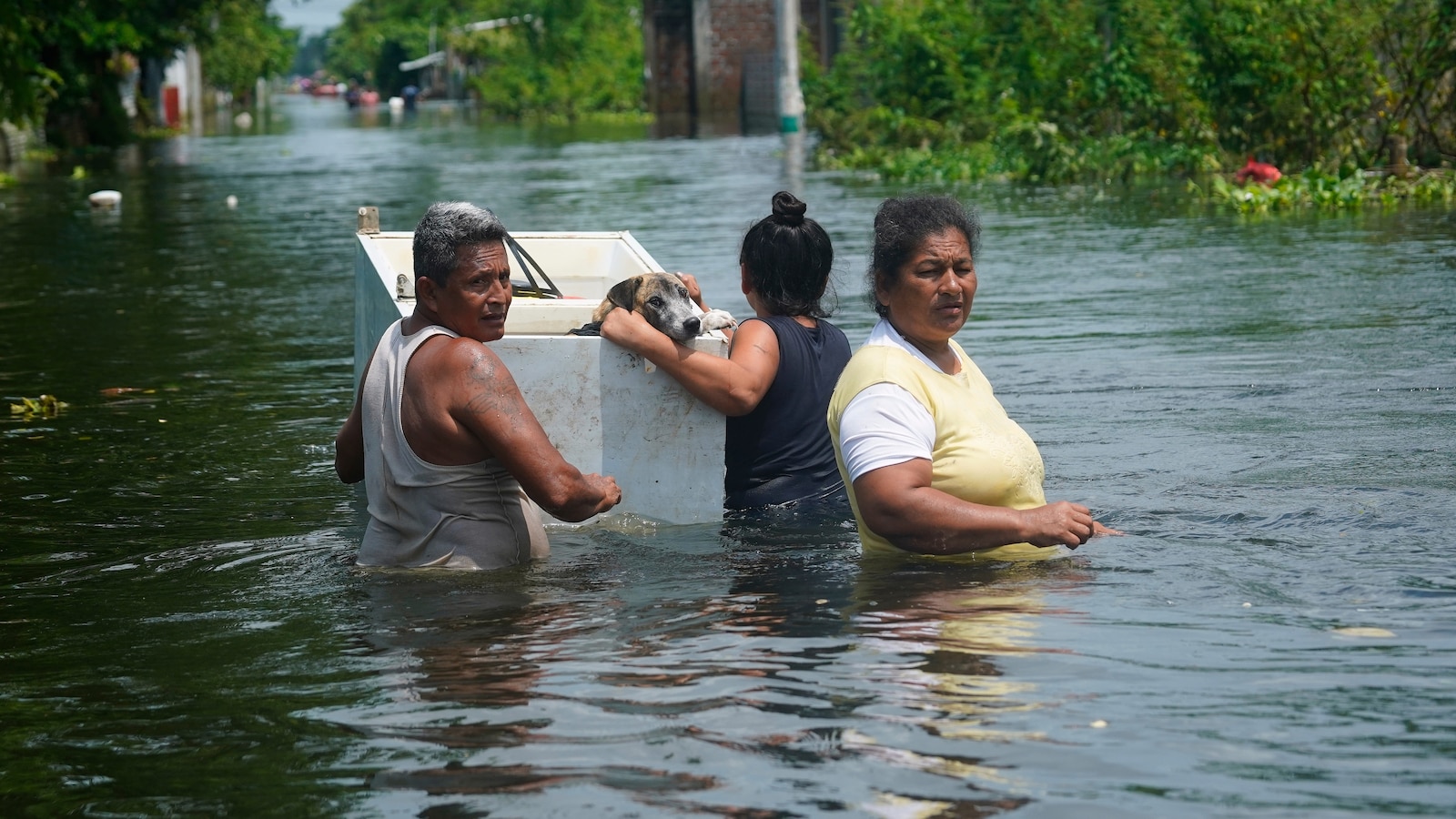
Persistent, heavy rainfall driven by an intense El Niño event has caused widespread flooding and landslides across northern Peru and coastal Ecuador. The extreme weather has forced authorities to conduct emergency water rescues, evacuate families from affected regions, and close major transit arteries, including segments of the Pan-American Highway. In Ecuador, the crisis has necessitated the relocation of polling stations for local elections originally scheduled to avoid the peak of the storm season.
Peruvian President Keiko Fujimori has characterized the current situation as a "mega Niño," noting that her administration is actively coordinating international aid from the United States and China to manage the disaster. In the city of Piura, record-breaking rainfall has submerged entire neighborhoods, leaving hundreds of residents stranded. Government forecasters maintain a red alert for northern regions, warning that the phenomenon will continue at an extraordinary intensity through February.
Beyond the immediate humanitarian crisis, the climate event is exerting significant pressure on the regional economy. Reduced agricultural yields and disrupted fishing industries have contributed to rising food prices, pushing Peru’s annual inflation rate above 5%. Financial authorities warn that the ongoing climate disruption could diminish national economic growth by nearly a percentage point this year, with long-term impacts projected through 2027.
The stakes
The government faces a critical test of its disaster response capacity and economic management. While the immediate priority is public safety and infrastructure repair, the administration risks political backlash if food security and inflationary pressures continue to erode the purchasing power of low-income citizens.
Two readings
- Supporters of the government’s response highlight the necessity of international cooperation and the proactive deployment of emergency services to mitigate loss of life in flooded areas.
- Critics argue that the administration has failed to adequately invest in resilient infrastructure, leaving the country vulnerable to predictable climate cycles and causing unnecessary economic hardship for vulnerable populations.
Source ABC World — abcnews.com/International/wireStory/rivers-overflow-peru-ecuador-powerf… ↗
Read next
 ✒️Opinion & Analysis
ICJ Rules Myanmar Military Committed Genocide Against Rohingya
The International Court of Justice has found Myanmar's military guilty of genocide against the Rohingya, a ruling that damages the international standing of both Aung San…
 🕯️Democracy & Rights
Chinese teachers face rising parental pressure over personal life choices
Chinese educators are encountering a surge in unreasonable demands from parents, including complaints regarding teachers' pregnancy and maternity leave.
 🛡️War & Security
Ukraine Restricts Media Coverage of Infrastructure Damage Amid Russian Strikes
President Volodymyr Zelenskyy has issued a decree prohibiting media outlets from reporting on the impact of Russian strikes against critical infrastructure and the status…
 🏮China & Taiwan
Beijing Reaffirms Reunification Stance Following Taiwan Local Election Results
China’s Taiwan Affairs Office declared that the island’s reunification with the mainland remains inevitable, despite recent shifts in Taiwan's local political landscape.
 🇪🇺Europe
US Air Force Repels Unauthorized Drone Incursion at RAF Lakenheath
U.S. security forces at a British air base successfully countered a group of unidentified drones, amid growing concerns over potential foreign state involvement.
 ⚖️Law & Policy
India Government Proposes 50% Increase in Parliamentary Seats and Women's Reservation
The Indian government plans to introduce legislation to expand the Lok Sabha to 850 seats and mandate a 33% reservation for women in legislative bodies.