Opportunity Party Leaders Urge Independence During New Zealand Coalition Negotiations
Former Opportunity Party leaders are advising current leadership to maintain independence by sitting on the crossbenches rather than joining a formal Cabinet coalition.
 🇬🇧UK & Ireland
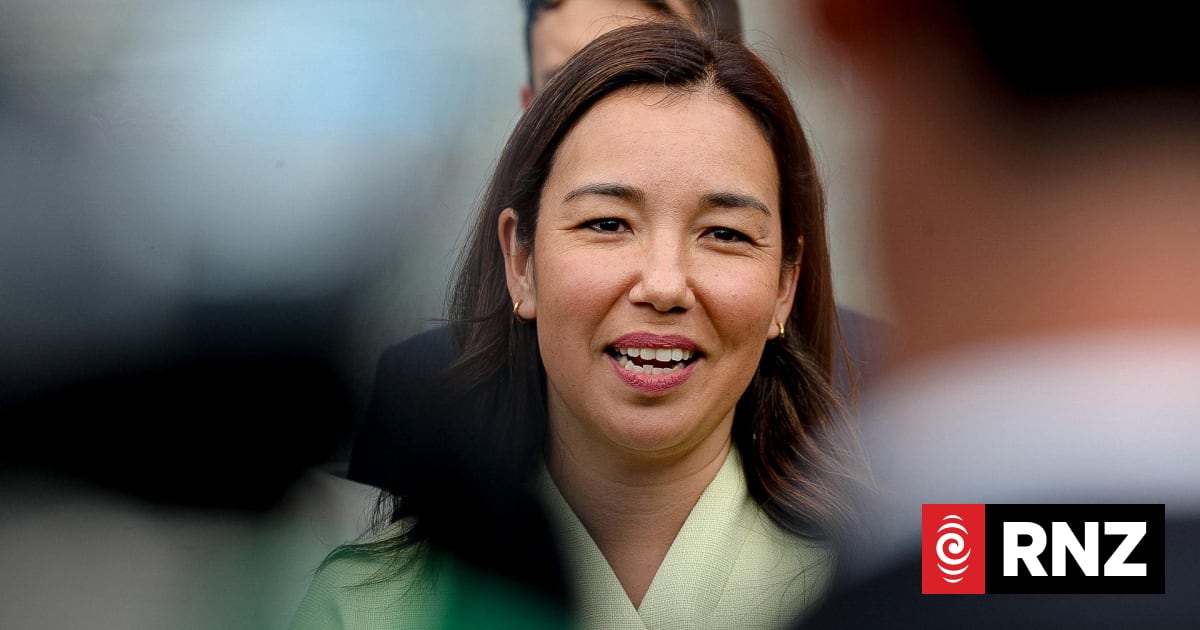
Photo: RNZ Politics
Key points
- Former leaders advise against joining Cabinet to maintain legislative flexibility.
- The party holds seven seats following the 2026 election.
- Strategic focus remains on crossbench influence and confidence and supply agreements.
Former Opportunity Party leaders Gareth Morgan and Raf Manji have publicly advised current leader Qiulae Wong to prioritize the party’s independence during ongoing coalition negotiations. Following the party's historic entry into Parliament with seven seats after the 2026 election, the former leaders argue that maintaining a position on the crossbenches would allow the party to exert influence without the constraints of collective Cabinet responsibility.
Founder Gareth Morgan suggested that the party should offer confidence and supply to a National-led government while remaining outside of the Cabinet. This approach, he argued, would enable the party to evaluate legislation on its individual merits. Morgan further emphasized that Wong should remain firm on established negotiating bottom lines, specifically noting her opposition to New Zealand First leader Winston Peters serving as Foreign Minister.
Raf Manji, also a former leader, echoed the sentiment that the party should keep its options open, suggesting it should be prepared to abstain on confidence votes if necessary. He maintained that the party’s central position allows it to work with either side of the aisle. Manji noted that despite previous electoral friction with the National Party, the current political landscape necessitates a pragmatic, good-faith approach to ensure a stable government.
The stakes
By choosing the crossbenches over a formal coalition, the Opportunity Party risks losing direct executive influence but gains the power to act as a legislative kingmaker. If they succeed, they could force both major parties to negotiate for their support on a case-by-case basis, though they risk being sidelined if larger parties form alternative alliances.
Two readings
- Supporters believe that remaining independent preserves the party's core values and prevents it from being subsumed by larger, more established political entities.
- Critics argue that refusing a formal coalition role could lead to political instability and diminish the party's ability to implement its platform from within the government.
Source RNZ Politics — rnz.co.nz/news/politics_election-2026/2868240/former-opportunity-le… ↗
Read next
 ✒️Opinion & Analysis
ICJ Rules Myanmar Military Committed Genocide Against Rohingya
The International Court of Justice has found Myanmar's military guilty of genocide against the Rohingya, a ruling that damages the international standing of both Aung San…
 🕯️Democracy & Rights
Chinese teachers face rising parental pressure over personal life choices
Chinese educators are encountering a surge in unreasonable demands from parents, including complaints regarding teachers' pregnancy and maternity leave.
 🛡️War & Security
Ukraine Restricts Media Coverage of Infrastructure Damage Amid Russian Strikes
President Volodymyr Zelenskyy has issued a decree prohibiting media outlets from reporting on the impact of Russian strikes against critical infrastructure and the status…
 🏮China & Taiwan
Beijing Reaffirms Reunification Stance Following Taiwan Local Election Results
China’s Taiwan Affairs Office declared that the island’s reunification with the mainland remains inevitable, despite recent shifts in Taiwan's local political landscape.
 🇪🇺Europe
US Air Force Repels Unauthorized Drone Incursion at RAF Lakenheath
U.S. security forces at a British air base successfully countered a group of unidentified drones, amid growing concerns over potential foreign state involvement.
 ⚖️Law & Policy
India Government Proposes 50% Increase in Parliamentary Seats and Women's Reservation
The Indian government plans to introduce legislation to expand the Lok Sabha to 850 seats and mandate a 33% reservation for women in legislative bodies.