US Army faces scrutiny following controlled lead-based explosions in Iowa
Environmental testing shows no lead contamination in public water supplies after the U.S. Army conducted controlled explosions at an Iowa depot, though experts call for continued monitoring.
 🇺🇸US Politics
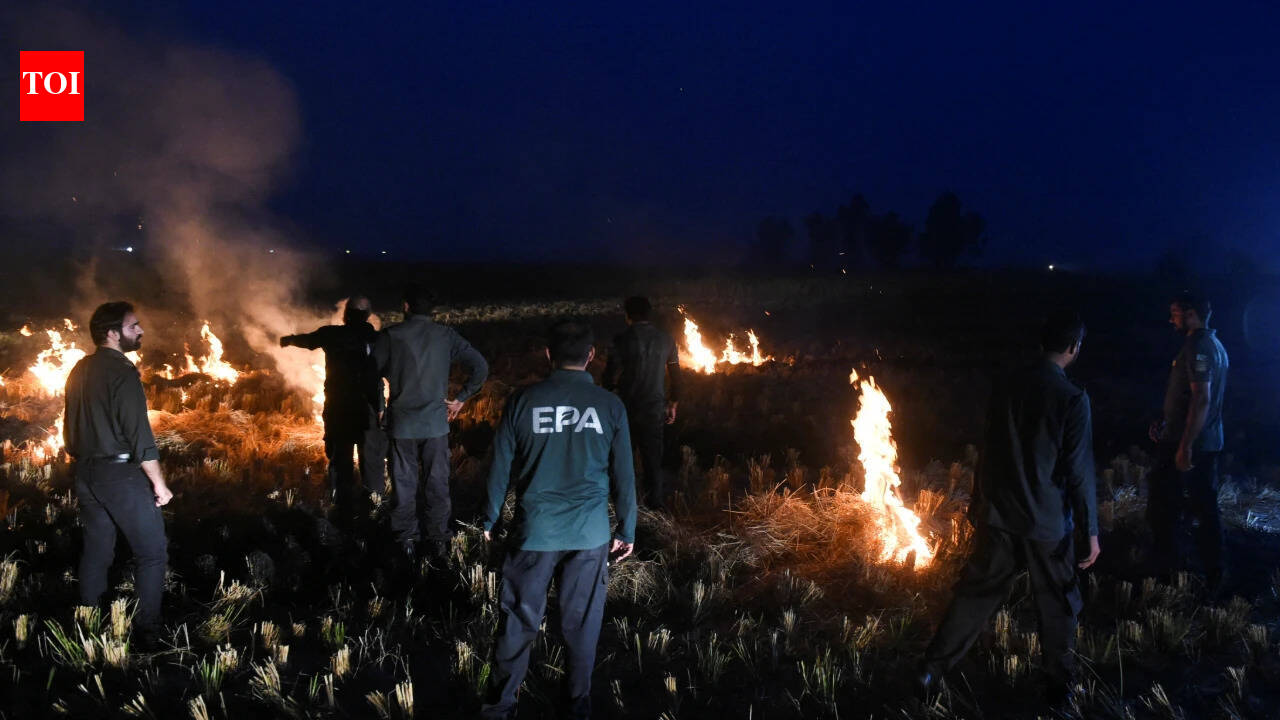
Photo: Times of India
Key points
- EPA confirms no lead detected in public water supplies after Iowa explosions.
- Five tonnes of lead-based explosives were destroyed at an Army depot.
- Army faces legal challenges and public demands for further environmental testing.
The U.S. Environmental Protection Agency (EPA) has reported that initial water quality tests show no evidence of lead contamination following a series of controlled explosions at an Army depot in Iowa. The operation, which involved the detonation of nearly five tonnes of lead-based explosives, triggered precautionary evacuations for local residents concerned about potential environmental fallout.
While federal officials have maintained that the containment measures were successful, the operation has been met with significant public pushback and ongoing legal challenges. Critics and independent environmental experts have expressed skepticism regarding the long-term safety of the site, urging authorities to conduct more comprehensive and transparent testing to ensure the surrounding ecosystem remains unaffected.
The Army has been forced to defend the necessity of the disposal operation amid rising pressure from the local community. As the legal dispute continues, the incident highlights the tension between military disposal requirements and the public's demand for environmental accountability in rural communities.
The stakes
The outcome of this situation determines the extent of federal liability and the future of military disposal practices at civilian-adjacent depots. If further testing reveals contamination, the Army faces significant remediation costs and a potential loss of public trust, while a clean bill of health would likely embolden the military to continue similar operations despite local opposition.
Two readings
- Supporters argue that the controlled detonations are a necessary, regulated procedure for safely neutralizing hazardous military materials under federal supervision.
- Critics contend that the environmental risks to local water and air quality are too high and that the Army has failed to adequately address community health concerns.
Source Times of India — timesofindia.indiatimes.com/world/us/iowa-blast-epa-finds-no-lead-conta… ↗
Read next
 ✒️Opinion & Analysis
ICJ Rules Myanmar Military Committed Genocide Against Rohingya
The International Court of Justice has found Myanmar's military guilty of genocide against the Rohingya, a ruling that damages the international standing of both Aung San…
 🕯️Democracy & Rights
Chinese teachers face rising parental pressure over personal life choices
Chinese educators are encountering a surge in unreasonable demands from parents, including complaints regarding teachers' pregnancy and maternity leave.
 🛡️War & Security
Ukraine Restricts Media Coverage of Infrastructure Damage Amid Russian Strikes
President Volodymyr Zelenskyy has issued a decree prohibiting media outlets from reporting on the impact of Russian strikes against critical infrastructure and the status…
 🏮China & Taiwan
Beijing Reaffirms Reunification Stance Following Taiwan Local Election Results
China’s Taiwan Affairs Office declared that the island’s reunification with the mainland remains inevitable, despite recent shifts in Taiwan's local political landscape.
 🇪🇺Europe
US Air Force Repels Unauthorized Drone Incursion at RAF Lakenheath
U.S. security forces at a British air base successfully countered a group of unidentified drones, amid growing concerns over potential foreign state involvement.
 ⚖️Law & Policy
India Government Proposes 50% Increase in Parliamentary Seats and Women's Reservation
The Indian government plans to introduce legislation to expand the Lok Sabha to 850 seats and mandate a 33% reservation for women in legislative bodies.