Indonesia faces political pressure over wildfires as toxic smog sickens hundreds of thousands
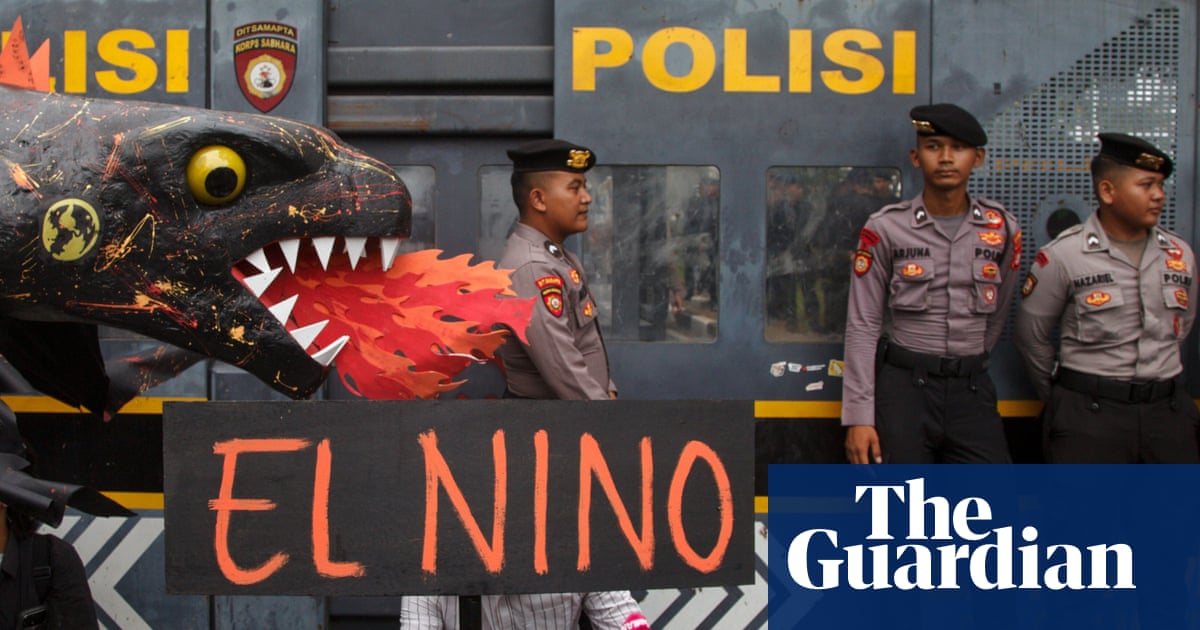
Protesters in Jakarta demand a national emergency declaration as Indonesia battles its fiercest wildfires in a decade, fueled by El Niño and climate change.
 🌡️Energy & Climate
Photo: Guardian Asia Pacific
Key points
- Nearly 3 million hectares burned in Indonesia's worst fire season in a decade.
- Toxic smog caused over 400,000 respiratory infections across the region.
- Protesters in Jakarta demanded a national emergency declaration.
Protesters in Jakarta have called on the Indonesian government to declare a national emergency following the country's most severe wildfires in at least a decade. The blazes have charred nearly three million hectares of land across Java, Kalimantan, and Sumatra, blanketing the region in toxic smog that has triggered at least 400,000 respiratory infections, including 180,000 among children, according to health ministry figures.
An international team of World Weather Attribution scientists reported that the crisis was driven by a combination of extreme weather and land-use changes. Global heating elevated temperatures by 1.6C between August and October, while El Niño added a further 0.3C and halved expected rainfall. Researchers noted that decades of deforestation, peatland-draining, and agroforestry expansion transformed vast areas into highly flammable landscapes.
The ecological disaster has also crossed international borders, spreading heavy haze to neighboring Singapore, Malaysia, and the Philippines. Meanwhile, Indonesia's Meteorology, Climatology and Geophysics Agency warned that El Niño has delayed the onset of the seasonal rains by up to 30 days, allowing active fires to continue burning.
The stakes
The Indonesian government faces mounting domestic and international pressure to reform environmental policies and improve disaster preparedness. If authorities fail to strengthen land-management protections and accelerate climate adaptation, future El Niño cycles threaten to trigger even larger blazes, compounding public health crises and regional diplomatic friction.
Two readings
- Supporters of stronger environmental action argue that the disaster underscores the urgent need to halt peatland drainage and transition away from fossil fuels to prevent recurring catastrophes.
- Critics and industry stakeholders point to the economic importance of plantations and argue that excessive restrictions could hamper agricultural development and rural livelihoods.
Source Guardian Asia Pacific — theguardian.com/world/2026/nov/13/indonesia-el-nino-wildfires ↗
Read next
 ✒️Opinion & Analysis
ICJ Rules Myanmar Military Committed Genocide Against Rohingya
The International Court of Justice has found Myanmar's military guilty of genocide against the Rohingya, a ruling that damages the international standing of both Aung San…
 🕯️Democracy & Rights
Chinese teachers face rising parental pressure over personal life choices
Chinese educators are encountering a surge in unreasonable demands from parents, including complaints regarding teachers' pregnancy and maternity leave.
 🛡️War & Security
Ukraine Restricts Media Coverage of Infrastructure Damage Amid Russian Strikes
President Volodymyr Zelenskyy has issued a decree prohibiting media outlets from reporting on the impact of Russian strikes against critical infrastructure and the status…
 🏮China & Taiwan
Beijing Reaffirms Reunification Stance Following Taiwan Local Election Results
China’s Taiwan Affairs Office declared that the island’s reunification with the mainland remains inevitable, despite recent shifts in Taiwan's local political landscape.
 🇪🇺Europe
US Air Force Repels Unauthorized Drone Incursion at RAF Lakenheath
U.S. security forces at a British air base successfully countered a group of unidentified drones, amid growing concerns over potential foreign state involvement.
 ⚖️Law & Policy
India Government Proposes 50% Increase in Parliamentary Seats and Women's Reservation
The Indian government plans to introduce legislation to expand the Lok Sabha to 850 seats and mandate a 33% reservation for women in legislative bodies.