Schneider Electric Research Institute Reports Europe Can Cut Electricity Costs by 40% Through Solar and Battery Integration
A new report presented at the UN COP31 climate summit indicates that coordinated deployment of solar power and battery storage could reduce European electricity system costs by up to 40 per cent by the 2030s.
 🌡️Energy & Climate
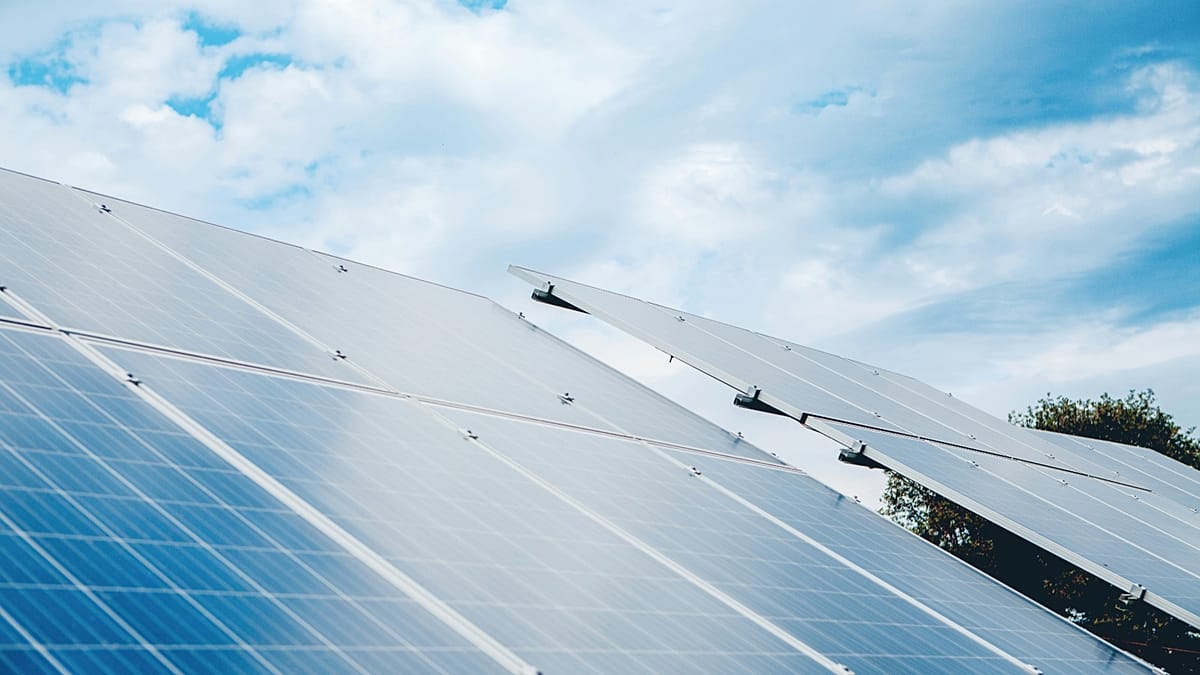
Photo: Euronews
Key points
- Report shows Europe can cut electricity costs by 40% using solar and batteries
- Findings presented at UN COP31 climate summit by Schneider Electric Research Institute
- Mismatched battery deployment could alternatively push system costs 35% higher
European electricity systems could achieve a 40 per cent reduction in operating costs by the 2030s if solar power and battery storage systems are deployed in tandem with expanded electrification, according to findings from the Schneider Electric Research Institute. Released during the UN COP31 climate summit, the study modeled tens of thousands of scenarios involving distributed energy resources to evaluate their impact on long-term utility expenses.
According to the Solar Power Europe association, harnessing solar generation has already saved the European Union €43.7 billion in avoided gas imports since the beginning of the 2026 US-led conflict involving Iran. However, researchers caution that rapid solar expansion creates significant risks of energy waste when generation exceeds demand, making battery integration essential for capturing surplus capacity and relieving pressure during peak usage hours.
The findings intersect with broader diplomatic negotiations at COP31, where Türkiye is advancing its 35-by-35 pledge to raise the global share of energy demand met by electricity to 35 per cent by 2035. While proponents argue that integrated smart grids and battery storage will optimize infrastructure and lower consumer burdens, analysts warn that improper balance or mismatched storage durations could cause total system costs to surge up to 35 per cent above current benchmarks.
The stakes
If European governments successfully align battery storage expansion with grid electrification, households and industries stand to gain significantly lower energy bills and greater resilience against fossil fuel price shocks. Conversely, mismanaged rollouts or failures to match supply with flexible demand could inflate utility expenses, strain regional grids, and undermine international climate commitments.
Two readings
- Supporters argue that coordinated solar and battery deployment provides a clear, market-driven pathway to slash energy costs, eliminate waste, and stabilize power grids.
- Critics caution that without strict clean-energy mandates, electrification targets risk being co-opted by governments to justify expanded gas-fired generation.
Source Euronews — euronews.com/2026/11/13/europe-could-save-40-on-electricity-costs-i… ↗
Read next
 ✒️Opinion & Analysis
ICJ Rules Myanmar Military Committed Genocide Against Rohingya
The International Court of Justice has found Myanmar's military guilty of genocide against the Rohingya, a ruling that damages the international standing of both Aung San…
 🕯️Democracy & Rights
Chinese teachers face rising parental pressure over personal life choices
Chinese educators are encountering a surge in unreasonable demands from parents, including complaints regarding teachers' pregnancy and maternity leave.
 🛡️War & Security
Ukraine Restricts Media Coverage of Infrastructure Damage Amid Russian Strikes
President Volodymyr Zelenskyy has issued a decree prohibiting media outlets from reporting on the impact of Russian strikes against critical infrastructure and the status…
 🏮China & Taiwan
Beijing Reaffirms Reunification Stance Following Taiwan Local Election Results
China’s Taiwan Affairs Office declared that the island’s reunification with the mainland remains inevitable, despite recent shifts in Taiwan's local political landscape.
 🇪🇺Europe
US Air Force Repels Unauthorized Drone Incursion at RAF Lakenheath
U.S. security forces at a British air base successfully countered a group of unidentified drones, amid growing concerns over potential foreign state involvement.
 ⚖️Law & Policy
India Government Proposes 50% Increase in Parliamentary Seats and Women's Reservation
The Indian government plans to introduce legislation to expand the Lok Sabha to 850 seats and mandate a 33% reservation for women in legislative bodies.