Diplomatic Divisions Threaten Cop31 Climate Summit Over Cover Decisions
Delegates at the Cop31 climate summit remain deeply divided over the inclusion of a cover decision as negotiations enter their second week under Australian and Turkish leadership.
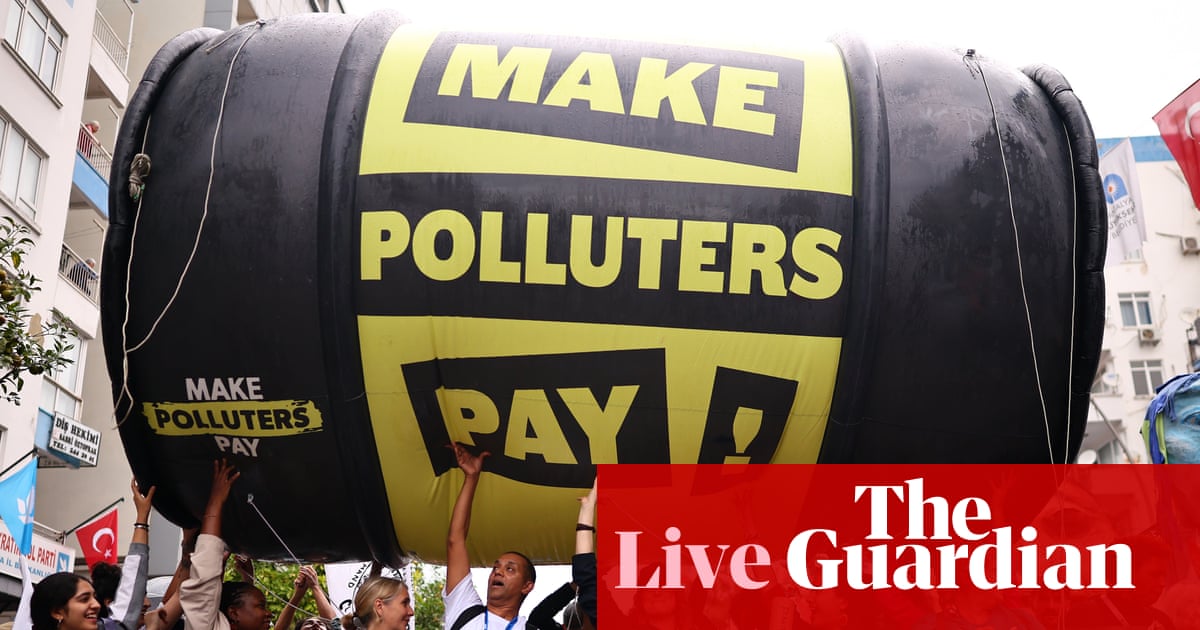 🌡️Energy & Climate
Photo: Guardian Climate
Key points
- Negotiators at Cop31 remain deeply divided over adopting a cover decision.
- A bloc including Russia, the Arab Group, and fossil fuel producers opposes the decision format.
- The dispute threatens progress on global electrification targets and fossil fuel phase-out roadmaps.
Diplomats gathered at the Cop31 climate summit remain deadlocked over the structure and ultimate outcome of the conference as talks enter their second week. Australian presidency officials and Turkish hosts are facing fierce resistance from a bloc of nations opposing the traditional adoption of a "cover decision" to capture broader policy progress.
The dispute centers on whether to issue a political cover decision, which has served for over two decades as a vital mechanism for addressing urgent issues like food security, ocean health, and fossil fuel transition roadmaps that fall outside specific negotiating tracks. While previous summits experienced similar friction—notably Cop29 in Baku omitting a cover decision to block references to fossil fuel phase-outs—this year's impasse has drawn lines between developing nations, fossil fuel producers, and the summit organizers.
Opposition to the procedural tool is being led by the Arab Group, Russia, and the Like-Minded Developing Countries coalition, which includes major producers such as Saudi Arabia, alongside Bolivia and Venezuela. These delegations argue there is no formal legal basis for a cover decision within the UN Framework Convention on Climate Change, a position that threatens to stall discussions on electrification targets and scientific timelines.
The stakes
The exclusion of a cover decision risks burying key environmental commitments, including global fossil fuel transition roadmaps and electrification targets, while proponents gain leverage to prevent binding political consensus.
Two readings
- Supporters of blocking the decision argue that adhering strictly to the formal UNFCCC negotiating tracks prevents political overreach and ensures legal clarity.
- Critics contend that abandoning the cover decision is a deliberate strategy by fossil fuel-producing states to suppress momentum on climate action.
Source Guardian Climate — theguardian.com/environment/live/2026/nov/16/cop31-climate-crisis-t… ↗
Read next
 ✒️Opinion & Analysis
ICJ Rules Myanmar Military Committed Genocide Against Rohingya
The International Court of Justice has found Myanmar's military guilty of genocide against the Rohingya, a ruling that damages the international standing of both Aung San…
 🕯️Democracy & Rights
Chinese teachers face rising parental pressure over personal life choices
Chinese educators are encountering a surge in unreasonable demands from parents, including complaints regarding teachers' pregnancy and maternity leave.
 🛡️War & Security
Ukraine Restricts Media Coverage of Infrastructure Damage Amid Russian Strikes
President Volodymyr Zelenskyy has issued a decree prohibiting media outlets from reporting on the impact of Russian strikes against critical infrastructure and the status…
 🏮China & Taiwan
Beijing Reaffirms Reunification Stance Following Taiwan Local Election Results
China’s Taiwan Affairs Office declared that the island’s reunification with the mainland remains inevitable, despite recent shifts in Taiwan's local political landscape.
 🇪🇺Europe
US Air Force Repels Unauthorized Drone Incursion at RAF Lakenheath
U.S. security forces at a British air base successfully countered a group of unidentified drones, amid growing concerns over potential foreign state involvement.
 ⚖️Law & Policy
India Government Proposes 50% Increase in Parliamentary Seats and Women's Reservation
The Indian government plans to introduce legislation to expand the Lok Sabha to 850 seats and mandate a 33% reservation for women in legislative bodies.