Fijian Diplomat Peter Thomson Urges Renewable Mandate in Cop31 Draft Pact
UN Special Envoy for the Ocean Peter Thomson has criticized the Cop31 draft agreement for failing to explicitly link global electrification targets to renewable energy sources.
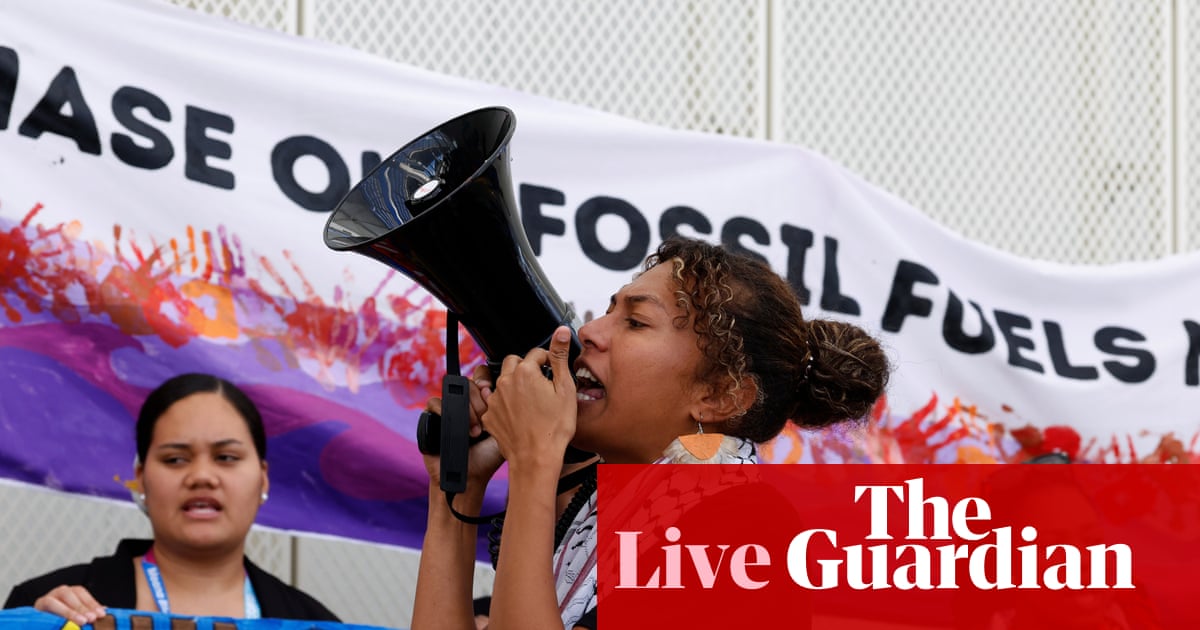 🌡️Energy & Climate
Photo: Guardian Climate
Key points
- Peter Thomson urges Cop31 to tie electrification targets strictly to renewables.
- The Cop31 draft proposes reaching 35 percent electric energy by 2035.
- Debate centers on whether the draft should mandate clean power sources over fossil fuels.
UN Special Envoy for the Ocean Peter Thomson demanded that the Cop31 summit explicitly tie global electrification goals to renewable energy development during negotiations on Tuesday. Speaking at the international cooperation initiative for Oceans, Thomson warned that rising sea levels, dying coral reefs, and destabilized planetary patterns stem directly from continued fossil fuel reliance.
The current draft text, advanced by the Turkish-Australian presidency, proposes raising electric energy usage to 35 percent by 2035. While the target aims to lower emissions and improve energy efficiency, debate persists over whether the agreement must mandate that the electricity be generated strictly from clean sources rather than fossil fuels.
Advocates of the current draft language, such as We Mean Business Coalition policy director Gillian Nelson, argue that immediate electrification helps reduce emissions even in nations where power grids remain heavily reliant on fossil energy. They contend that forcing a strict renewable link too early could stall progress on adopting electric vehicles and heat pumps.
The stakes
Developing nations and countries with carbon-heavy power grids risk facing restrictive energy mandates, while environmental advocates and island states risk locking in fossil fuel reliance if the final Cop31 text fails to explicitly demand clean energy integration alongside electrification.
Two readings
- Supporters read the draft as a pragmatic mechanism to drive immediate energy efficiency and emission reductions without penalizing countries transitioning at different speeds.
- Critics read the omission of a mandatory clean-energy link as a dangerous loophole that allows continued fossil fuel use under the guise of climate progress.
Source Guardian Climate — theguardian.com/environment/live/2026/nov/17/cop31-live-first-draft… ↗
Read next
 ✒️Opinion & Analysis
ICJ Rules Myanmar Military Committed Genocide Against Rohingya
The International Court of Justice has found Myanmar's military guilty of genocide against the Rohingya, a ruling that damages the international standing of both Aung San…
 🕯️Democracy & Rights
Chinese teachers face rising parental pressure over personal life choices
Chinese educators are encountering a surge in unreasonable demands from parents, including complaints regarding teachers' pregnancy and maternity leave.
 🛡️War & Security
Ukraine Restricts Media Coverage of Infrastructure Damage Amid Russian Strikes
President Volodymyr Zelenskyy has issued a decree prohibiting media outlets from reporting on the impact of Russian strikes against critical infrastructure and the status…
 🏮China & Taiwan
Beijing Reaffirms Reunification Stance Following Taiwan Local Election Results
China’s Taiwan Affairs Office declared that the island’s reunification with the mainland remains inevitable, despite recent shifts in Taiwan's local political landscape.
 🇪🇺Europe
US Air Force Repels Unauthorized Drone Incursion at RAF Lakenheath
U.S. security forces at a British air base successfully countered a group of unidentified drones, amid growing concerns over potential foreign state involvement.
 ⚖️Law & Policy
India Government Proposes 50% Increase in Parliamentary Seats and Women's Reservation
The Indian government plans to introduce legislation to expand the Lok Sabha to 850 seats and mandate a 33% reservation for women in legislative bodies.