Prabowo Administration Faces Backlash Over Plan to Relocate Endangered Javan Rhinos
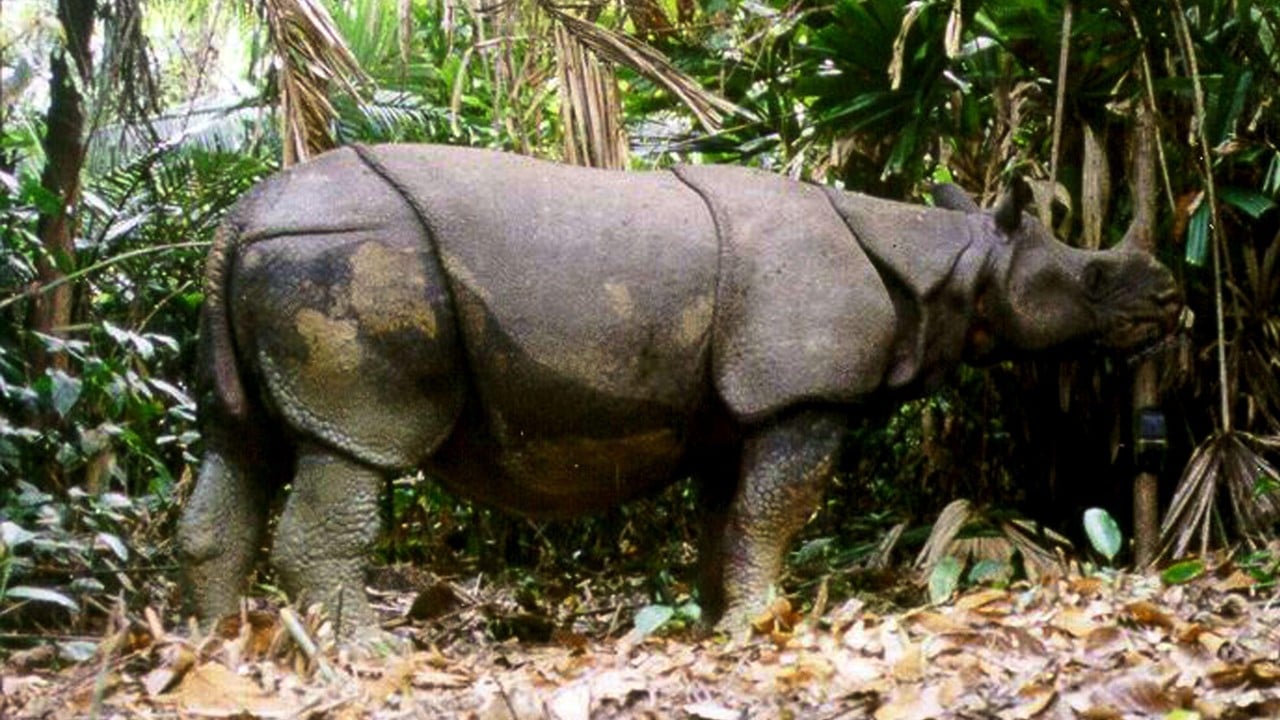
Indonesia's government is considering moving its last 50 Javan rhinos to a new location, sparking fears of industrial expansion in protected lands.
 🌡️Energy & Climate
Photo: SCMP Asia
Key points
- Special envoy Hashim Djojohadikusumo proposed moving the last 50 Javan rhinos to a new habitat.
- Conservationists and indigenous groups warn that relocation could be a pretext for industrial expansion.
- The government maintains that a second location is vital to protect the species from localized extinction events.
Hashim Djojohadikusumo, the Indonesian special envoy for climate and energy and brother to President Prabowo Subianto, has announced that the government is considering the relocation of the world’s last Javan rhinos to a second national park. The proposal aims to mitigate the risk of extinction for the species, which currently numbers approximately 50 individuals living in a single habitat.
The plan has met with immediate resistance from conservationists and indigenous communities, who argue that a rushed transfer could threaten the survival of the critically endangered animals. Opponents of the measure claim that the current sanctuary in Ujung Kulon National Park provides the necessary conditions for the species and that moving them without exhaustive scientific preparation is reckless.
Beyond biological concerns, the debate has taken on a significant political dimension regarding land use and resource management. Local groups and environmental advocates expressed concern that removing the rhinos would strip Ujung Kulon of its primary conservation status. They suggest this shift could pave the way for extractive industries, such as mining or logging, to enter the territory once the legal protections tied to the rhinos' presence are diminished.
The stakes
The Prabowo administration risks a confrontation with environmental and indigenous groups if it prioritizes relocation over site-specific protection. If the move proceeds, the government may gain greater flexibility in land-use policy for industrial development, while conservationists fear the permanent loss of a unique ecosystem and the potential collapse of the rhino population.
Two readings
- Supporters view the relocation as a necessary and proactive conservation strategy to prevent a single natural disaster or disease outbreak from wiping out the entire species.
- Critics read the proposal as a politically motivated attempt to weaken environmental regulations and open protected lands to commercial exploitation by the extractive sector.
Source SCMP Asia — scmp.com/week-asia/health-environment/article/3374757/why-bid-save-… ↗
Read next
 ✒️Opinion & Analysis
ICJ Rules Myanmar Military Committed Genocide Against Rohingya
The International Court of Justice has found Myanmar's military guilty of genocide against the Rohingya, a ruling that damages the international standing of both Aung San…
 🕯️Democracy & Rights
Chinese teachers face rising parental pressure over personal life choices
Chinese educators are encountering a surge in unreasonable demands from parents, including complaints regarding teachers' pregnancy and maternity leave.
 🛡️War & Security
Ukraine Restricts Media Coverage of Infrastructure Damage Amid Russian Strikes
President Volodymyr Zelenskyy has issued a decree prohibiting media outlets from reporting on the impact of Russian strikes against critical infrastructure and the status…
 🏮China & Taiwan
Beijing Reaffirms Reunification Stance Following Taiwan Local Election Results
China’s Taiwan Affairs Office declared that the island’s reunification with the mainland remains inevitable, despite recent shifts in Taiwan's local political landscape.
 🇪🇺Europe
US Air Force Repels Unauthorized Drone Incursion at RAF Lakenheath
U.S. security forces at a British air base successfully countered a group of unidentified drones, amid growing concerns over potential foreign state involvement.
 ⚖️Law & Policy
India Government Proposes 50% Increase in Parliamentary Seats and Women's Reservation
The Indian government plans to introduce legislation to expand the Lok Sabha to 850 seats and mandate a 33% reservation for women in legislative bodies.