Colorado Accused of Violating Drilling Chemical Disclosure Laws
A new non-profit analysis alleges that the fossil-fuel industry and Colorado regulators are bypassing a 2002 disclosure law by omitting drilling chemicals.
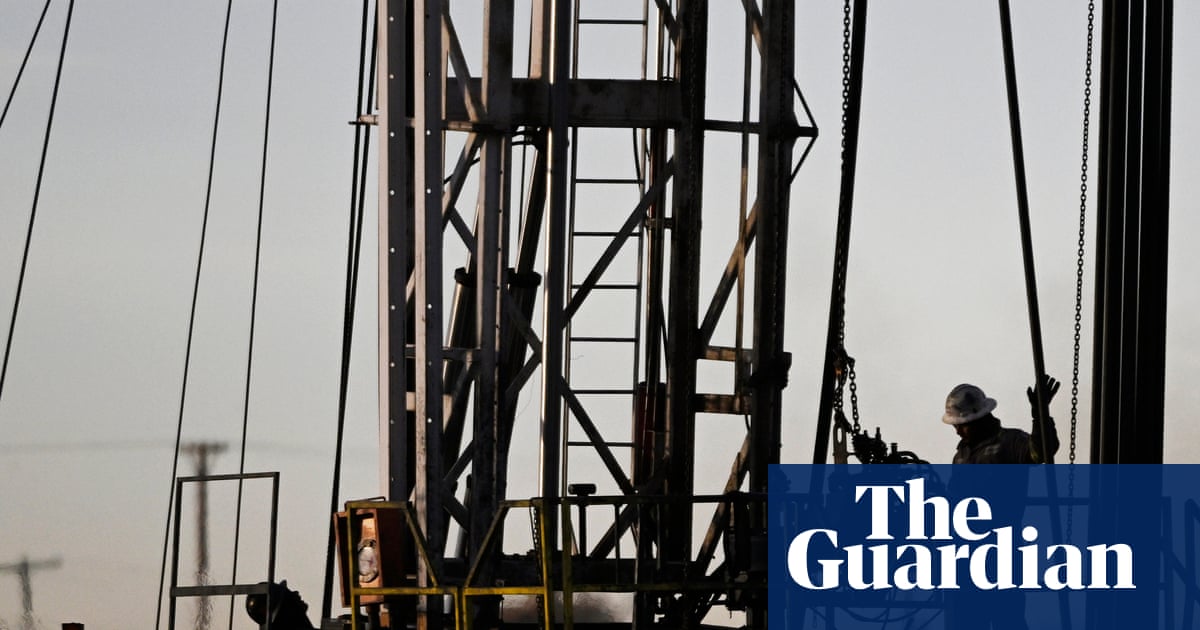 🌡️Energy & Climate
Photo: Guardian Climate
Key points
- FracTracker Alliance alleges Colorado fossil-fuel operators violate disclosure laws.
- Regulators reportedly exempt drilling chemicals by treating drilling as separate from production.
- The report also claims companies used prohibited and highly toxic compounds.
The non-profit group FracTracker Alliance has released an analysis alleging that fossil-fuel operators in Colorado are violating state law by failing to disclose hazardous chemicals used during well drilling. The dispute centers on a pioneering 2002 Colorado statute mandating that energy companies and suppliers publicly disclose all substances utilized in downhole oil and gas production.
According to the report, state regulators have carved out an exemption for drilling activities on the grounds that drilling falls outside the legal definition of production. FracTracker contends this interpretation directly contradicts the intent of the law's authors, public health advocates, and standard industry terminology. Furthermore, the analysis claims that companies have reported using at least five compounds expressly prohibited by state regulations alongside three highly toxic substances.
An agency spokesperson for the Colorado Energy and Carbon Management Commission acknowledged awareness of differing perspectives regarding the scope of the chemical disclosure mandates. Representatives for major energy firms maintain their commitment to responsible operations and regulatory compliance, while public health advocates warn that thousands of residents living near wells face undocumented environmental risks.
The stakes
If the regulatory exemption stands, public health monitoring near thousands of active wells will remain limited, benefiting energy operators who avoid compliance costs while potentially leaving nearby communities vulnerable to undetected chemical exposure.
Two readings
- Supporters of the regulatory approach argue that administrative definitions legitimately separate distinct operational phases like drilling from active production.
- Critics contend that excluding drilling from disclosure requirements violates legislative intent and conceals dangerous toxicants from public health oversight.
Source Guardian Climate — theguardian.com/environment/2026/nov/17/fossil-fuel-industry-colora… ↗
Read next
 ✒️Opinion & Analysis
ICJ Rules Myanmar Military Committed Genocide Against Rohingya
The International Court of Justice has found Myanmar's military guilty of genocide against the Rohingya, a ruling that damages the international standing of both Aung San…
 🕯️Democracy & Rights
Chinese teachers face rising parental pressure over personal life choices
Chinese educators are encountering a surge in unreasonable demands from parents, including complaints regarding teachers' pregnancy and maternity leave.
 🛡️War & Security
Ukraine Restricts Media Coverage of Infrastructure Damage Amid Russian Strikes
President Volodymyr Zelenskyy has issued a decree prohibiting media outlets from reporting on the impact of Russian strikes against critical infrastructure and the status…
 🏮China & Taiwan
Beijing Reaffirms Reunification Stance Following Taiwan Local Election Results
China’s Taiwan Affairs Office declared that the island’s reunification with the mainland remains inevitable, despite recent shifts in Taiwan's local political landscape.
 🇪🇺Europe
US Air Force Repels Unauthorized Drone Incursion at RAF Lakenheath
U.S. security forces at a British air base successfully countered a group of unidentified drones, amid growing concerns over potential foreign state involvement.
 ⚖️Law & Policy
India Government Proposes 50% Increase in Parliamentary Seats and Women's Reservation
The Indian government plans to introduce legislation to expand the Lok Sabha to 850 seats and mandate a 33% reservation for women in legislative bodies.