Global South Nations Demand Reform of International Climate Finance Architecture
Developing nations facing severe climate disasters are forced to prioritize foreign debt repayments over disaster reconstruction and green transition investments, according to recent international reports.
 🌡️Energy & Climate
Photo: Guardian Climate
Key points
- Climate-vulnerable nations pay more to creditors than they receive in climate aid
- Rising global interest rates accelerate a downward spiral of debt and climate vulnerability
- Experts propose collective bargaining and regional economic sovereignty for developing states
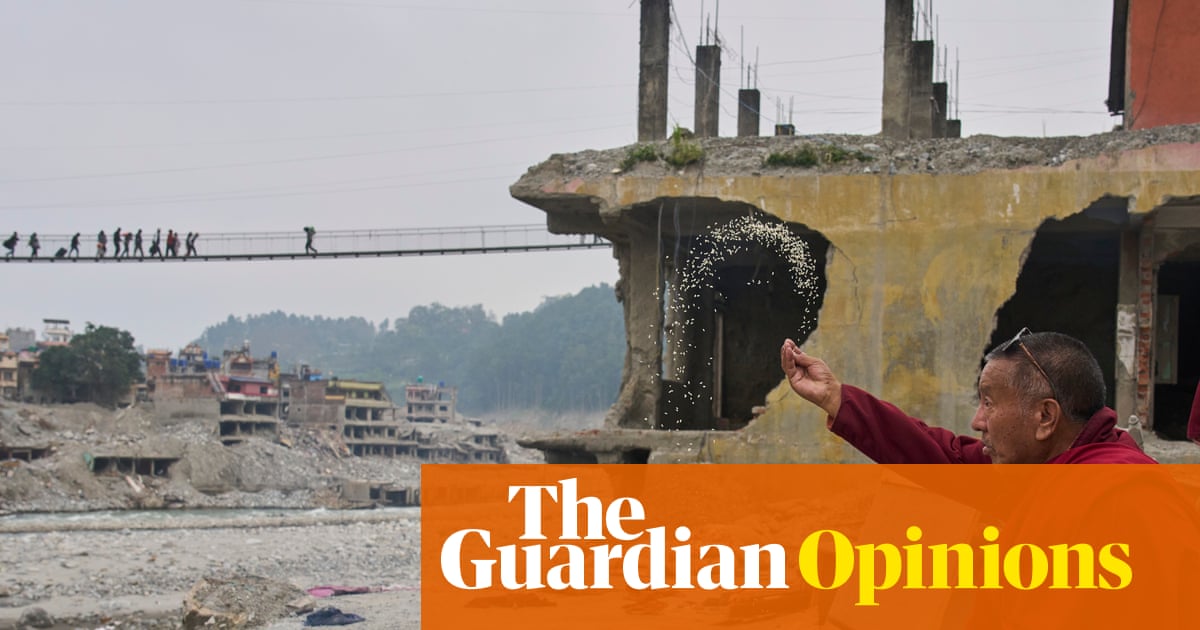
Vulnerable countries worldwide are caught in a structural cycle where mounting external debt repayments severely limit their capacity to fund climate disaster recovery and green adaptation. Following catastrophic glacier collapses and floods in regions like Nepal, international relief allocations have fallen drastically short of external public debt obligations. According to recent findings from ActionAid, external borrowing by the global south outstrips received climate finance by a factor of one hundred, trapping developing economies in cycles of dependency and resource extraction.
Rising interest rates in the United States have further compounded the fiscal strain, causing external debt servicing costs for developing nations outside China to surge significantly between 2021 and 2024. United Nations climate officials emphasize that climate risks drive up borrowing costs, which in turn triggers higher debt levels and leaves governments incapable of investing in long-term resilience against future environmental shocks.
Economic analysts and UN advisers argue that current global financial rules continue to perpetuate historical inequalities in trade, investment, and taxation. During international climate summits, experts have urged vulnerable states to pursue collective bargaining strategies, aiming to build regional common markets and green industries to secure technology transfers and investments without accumulating further sovereign debt.
The stakes
If systemic financial reforms and debt relief mechanisms fail to materialize, climate-vulnerable nations will remain locked in insolvency and unable to adapt to accelerating environmental degradation. While creditors protect immediate financial returns, developing governments lose the fiscal space required for basic disaster preparedness and sustainable development.
Two readings
- Supporters of structural reform argue that pooling resources and building regional economic blocs allows developing nations to negotiate effectively for debt cancellation and equitable climate finance.
- Critics or skeptics of sweeping financial overhauls suggest that existing international lending frameworks remain necessary to maintain global market stability and ensure repayment discipline.
Source Guardian Climate — theguardian.com/commentisfree/2026/nov/17/the-guardian-view-on-clim… ↗
Read next
 ✒️Opinion & Analysis
ICJ Rules Myanmar Military Committed Genocide Against Rohingya
The International Court of Justice has found Myanmar's military guilty of genocide against the Rohingya, a ruling that damages the international standing of both Aung San…
 🕯️Democracy & Rights
Chinese teachers face rising parental pressure over personal life choices
Chinese educators are encountering a surge in unreasonable demands from parents, including complaints regarding teachers' pregnancy and maternity leave.
 🛡️War & Security
Ukraine Restricts Media Coverage of Infrastructure Damage Amid Russian Strikes
President Volodymyr Zelenskyy has issued a decree prohibiting media outlets from reporting on the impact of Russian strikes against critical infrastructure and the status…
 🏮China & Taiwan
Beijing Reaffirms Reunification Stance Following Taiwan Local Election Results
China’s Taiwan Affairs Office declared that the island’s reunification with the mainland remains inevitable, despite recent shifts in Taiwan's local political landscape.
 🇪🇺Europe
US Air Force Repels Unauthorized Drone Incursion at RAF Lakenheath
U.S. security forces at a British air base successfully countered a group of unidentified drones, amid growing concerns over potential foreign state involvement.
 ⚖️Law & Policy
India Government Proposes 50% Increase in Parliamentary Seats and Women's Reservation
The Indian government plans to introduce legislation to expand the Lok Sabha to 850 seats and mandate a 33% reservation for women in legislative bodies.