Extreme Heat During Hajj Pilgrimage Highlights Growing Climate Risks
Recent Hajj pilgrimages have faced life-threatening temperatures, raising urgent questions about the safety of millions of worshippers as climate change intensifies.
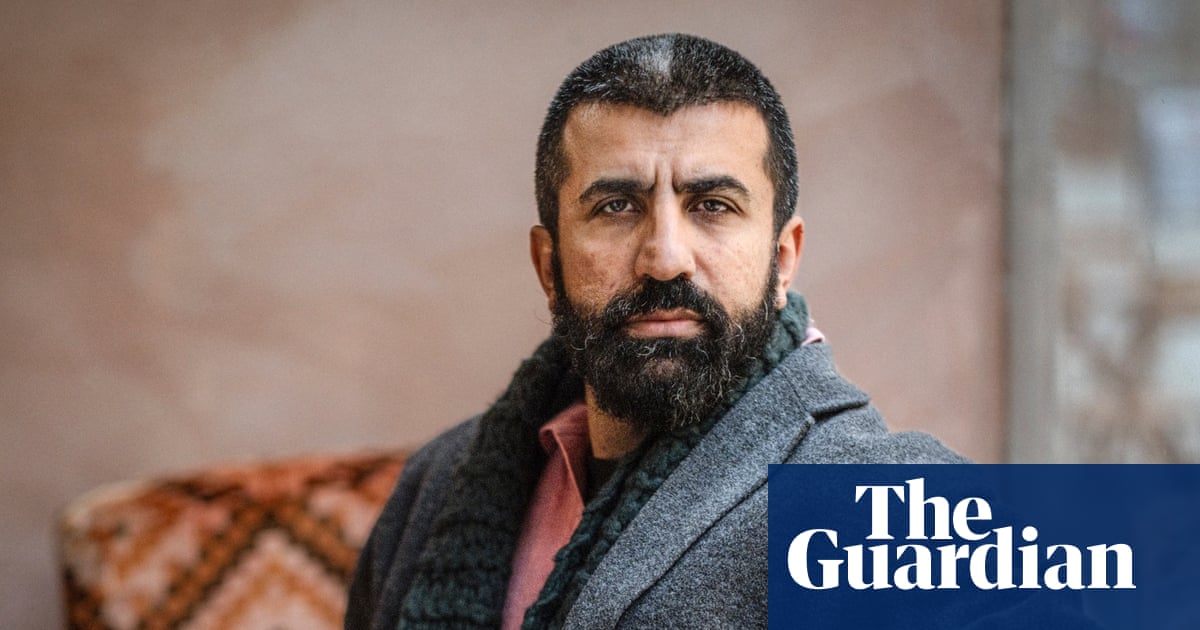 🌡️Energy & Climate
Photo: Guardian Middle East
Key points
- Temperatures during the Hajj have reached over 51C, posing severe health risks to pilgrims.
- Inadequate shade, water, and medical support have been identified as primary factors in heat-related emergencies.
- The increasing frequency of extreme heat events is forcing a re-evaluation of safety protocols for mass religious gatherings.
The annual Hajj pilgrimage in Saudi Arabia has increasingly become a site of climate-related peril, as extreme temperatures exceeding 51C have turned the religious journey into a survival challenge. Pilgrims, including many elderly individuals, face significant health risks due to prolonged exposure to direct sunlight and inadequate access to cooling infrastructure during the five-day event.
Reports from the ground indicate that the combination of intense heat, lack of sufficient shade, and logistical failures in crowd management has led to widespread exhaustion and heatstroke. While authorities provide some cooling measures, the sheer scale of the pilgrimage often outpaces available medical resources and hydration stations, leaving many vulnerable in the open environment.
The experience of attendees suggests a breakdown in traditional support systems, as the extreme conditions force a shift from collective care to individual survival. Observers have noted that the rising temperatures, now approximately 2C higher than preindustrial levels in Mecca, are fundamentally altering the nature of the pilgrimage, transforming a spiritual homecoming into a hazardous physical ordeal.
The stakes
The Saudi government faces mounting pressure to overhaul infrastructure and safety protocols to accommodate millions of people in a warming climate. Failure to adapt could lead to recurring mass casualties, potentially forcing authorities to impose stricter attendance caps or significantly alter the traditional rites of the Hajj to ensure the safety of the global Muslim community.
Two readings
- Supporters of intensified government intervention argue that climate change is an existential threat to the pilgrimage, necessitating massive investment in advanced cooling technology and stricter regulation of crowd flow.
- Critics of current management claim that the focus should remain on the spiritual nature of the Hajj, suggesting that the responsibility for safety lies with individual preparedness and that excessive commercialization or infrastructure changes may undermine the pilgrimage's sanctity.
Source Guardian Middle East — theguardian.com/environment/ng-interactive/2026/nov/09/extreme-heat… ↗
Read next
 ✒️Opinion & Analysis
ICJ Rules Myanmar Military Committed Genocide Against Rohingya
The International Court of Justice has found Myanmar's military guilty of genocide against the Rohingya, a ruling that damages the international standing of both Aung San…
 🕯️Democracy & Rights
Chinese teachers face rising parental pressure over personal life choices
Chinese educators are encountering a surge in unreasonable demands from parents, including complaints regarding teachers' pregnancy and maternity leave.
 🛡️War & Security
Ukraine Restricts Media Coverage of Infrastructure Damage Amid Russian Strikes
President Volodymyr Zelenskyy has issued a decree prohibiting media outlets from reporting on the impact of Russian strikes against critical infrastructure and the status…
 🏮China & Taiwan
Beijing Reaffirms Reunification Stance Following Taiwan Local Election Results
China’s Taiwan Affairs Office declared that the island’s reunification with the mainland remains inevitable, despite recent shifts in Taiwan's local political landscape.
 🇪🇺Europe
US Air Force Repels Unauthorized Drone Incursion at RAF Lakenheath
U.S. security forces at a British air base successfully countered a group of unidentified drones, amid growing concerns over potential foreign state involvement.
 ⚖️Law & Policy
India Government Proposes 50% Increase in Parliamentary Seats and Women's Reservation
The Indian government plans to introduce legislation to expand the Lok Sabha to 850 seats and mandate a 33% reservation for women in legislative bodies.