OPEC Secretary General Defends Fossil Fuels at COP31 Climate Summit
OPEC Secretary General Haitham Al Ghais challenged the focus on electrification at the COP31 summit, arguing that fossil fuels remain essential for global energy security.
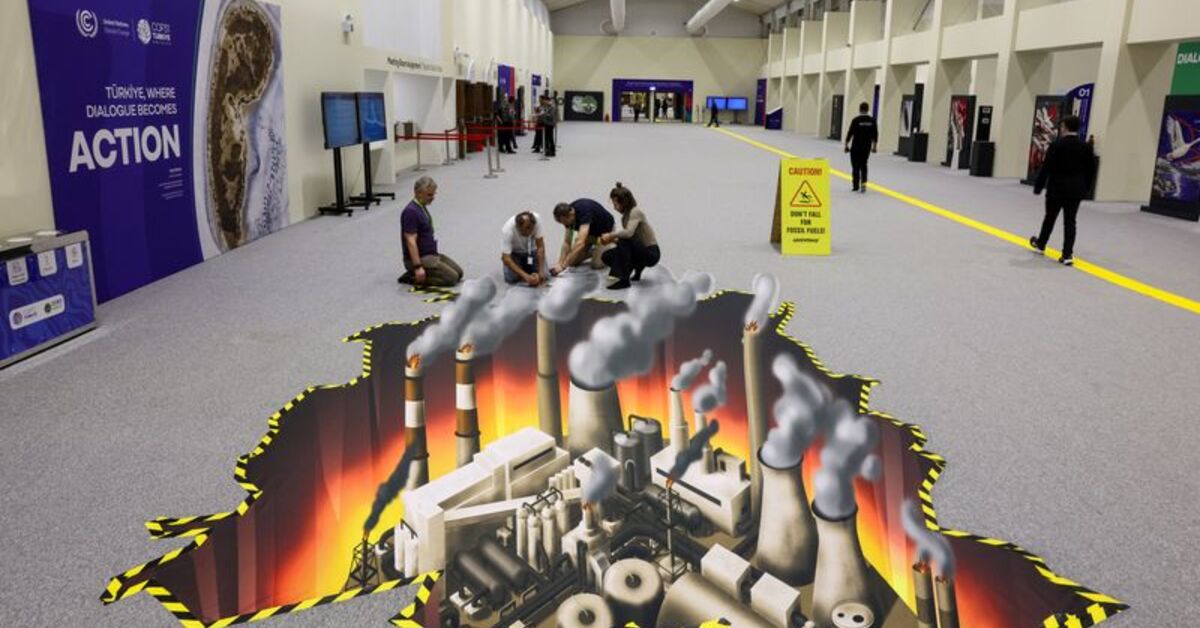 🌡️Energy & Climate
Photo: Al-Monitor
Key points
- OPEC Secretary General Haitham Al Ghais argues electrification relies on fossil fuels.
- Turkey is pushing a target to increase global electricity demand to 35% by 2035.
- OPEC continues to advocate for a diverse energy mix to ensure global energy security.
OPEC Secretary General Haitham Al Ghais has publicly questioned the heavy emphasis on electrification at the ongoing COP31 climate talks in Antalya, Turkey. During his plenary address, Al Ghais asserted that the global transition to increased electricity usage remains fundamentally dependent on oil, citing the necessity of petroleum-derived products and diesel-powered machinery for grid expansion and infrastructure development.
The summit, hosted by Turkey, aims to secure a voluntary pledge to raise the global share of electricity in final energy demand to 35% by 2035, up from the current 20%. While 75 nations have signaled support for the target, critics have pointed out that the proposal lacks a clear mandate for carbon-free power sources, potentially undermining its effectiveness in reducing emissions.
Al Ghais emphasized that electrification should not be viewed as a singular solution to environmental challenges. He highlighted potential risks associated with the transition, such as the vulnerability of energy systems to cyberattacks and the volatility of critical mineral supply chains. The OPEC leader reiterated the organization's stance that a diverse energy mix is necessary to accommodate varying national circumstances and to ensure long-term energy security.
The stakes
The outcome of these negotiations will determine whether the international community prioritizes a rapid shift away from hydrocarbons or adopts a more flexible approach that integrates fossil fuels into future energy infrastructure. If the Turkish-led electrification pledge is adopted without stringent carbon-neutral requirements, fossil fuel producers stand to maintain their market relevance, while climate advocates may view the summit as a missed opportunity to enforce a definitive phase-out of oil and gas.
Two readings
- Supporters of the OPEC position argue that energy security and economic development depend on a pragmatic, multi-source energy strategy rather than an over-reliance on electrification.
- Critics contend that the organization is attempting to dilute climate commitments to protect the interests of oil-producing nations and delay necessary global decarbonization efforts.
Source Al-Monitor — al-monitor.com/originals/2026/11/opec-speaks-fossil-fuels-cop31-cli… ↗
Read next
 ✒️Opinion & Analysis
ICJ Rules Myanmar Military Committed Genocide Against Rohingya
The International Court of Justice has found Myanmar's military guilty of genocide against the Rohingya, a ruling that damages the international standing of both Aung San…
 🕯️Democracy & Rights
Chinese teachers face rising parental pressure over personal life choices
Chinese educators are encountering a surge in unreasonable demands from parents, including complaints regarding teachers' pregnancy and maternity leave.
 🛡️War & Security
Ukraine Restricts Media Coverage of Infrastructure Damage Amid Russian Strikes
President Volodymyr Zelenskyy has issued a decree prohibiting media outlets from reporting on the impact of Russian strikes against critical infrastructure and the status…
 🏮China & Taiwan
Beijing Reaffirms Reunification Stance Following Taiwan Local Election Results
China’s Taiwan Affairs Office declared that the island’s reunification with the mainland remains inevitable, despite recent shifts in Taiwan's local political landscape.
 🇪🇺Europe
US Air Force Repels Unauthorized Drone Incursion at RAF Lakenheath
U.S. security forces at a British air base successfully countered a group of unidentified drones, amid growing concerns over potential foreign state involvement.
 ⚖️Law & Policy
India Government Proposes 50% Increase in Parliamentary Seats and Women's Reservation
The Indian government plans to introduce legislation to expand the Lok Sabha to 850 seats and mandate a 33% reservation for women in legislative bodies.