European Nations Balance Climate Pledges With Fossil Fuel Expansion at COP31
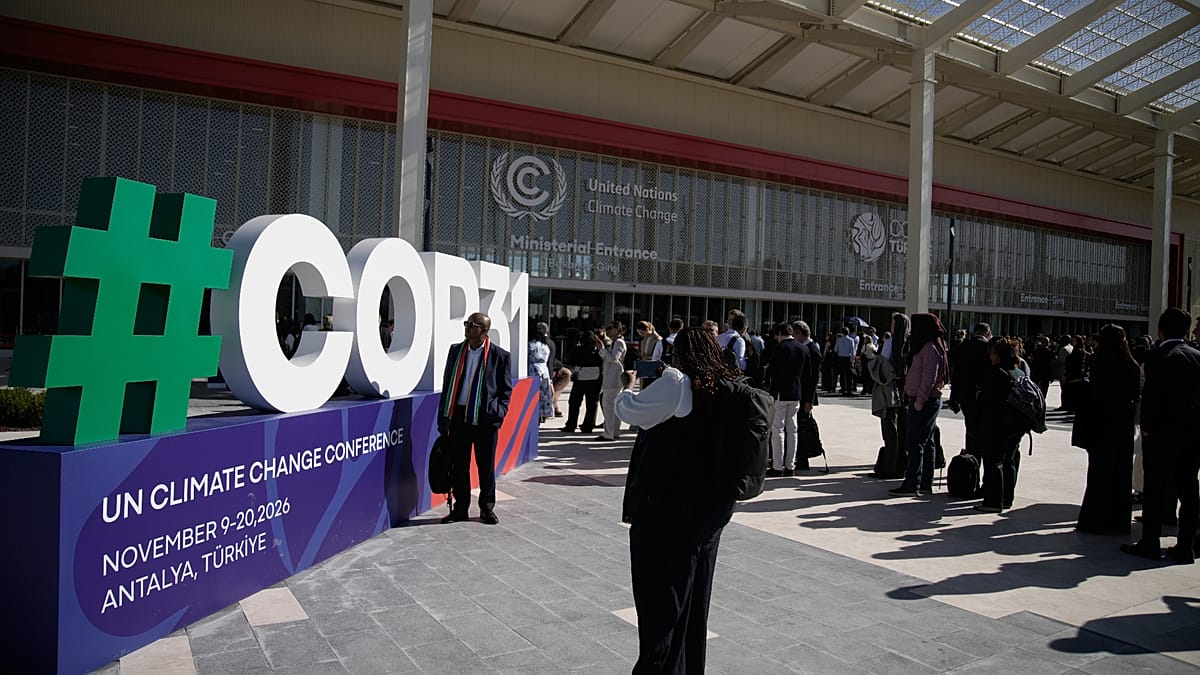
As COP31 convenes in Turkey, European governments are simultaneously advocating for decarbonization while aggressively expanding fossil fuel infrastructure to manage energy security and economic stability.
 🌡️Energy & Climate
Photo: Euronews
Key points
- European nations are expanding fossil fuel infrastructure despite COP31 climate commitments.
- Energy security is being reframed as a matter of national sovereignty due to global instability.
- Industrial competitiveness concerns are slowing the pace of the green energy transition.
European leaders attending the COP31 climate summit in Turkey face a growing contradiction between their international environmental commitments and domestic energy policies. While the European Union officially supports a transition away from fossil fuels, several member states are actively pursuing new supply deals and infrastructure projects to mitigate the impact of volatile energy prices and potential shortages.
The current geopolitical climate, exacerbated by the ongoing conflict between the United States, Israel, and Iran, has forced nations to prioritize energy reliability. Officials from Hungary, Greece, and Romania have emphasized that securing affordable energy is now a matter of national sovereignty and economic survival. Hungarian energy leaders have warned that abandoning traditional energy sources too rapidly could lead to significant industrial contraction and potential social instability across the continent.
Regional initiatives are also shifting, with countries like Croatia and Romania positioning themselves as energy hubs to reduce reliance on external suppliers. Despite these efforts, the expansion of natural gas infrastructure remains a point of contention. While Brussels continues to push for progress on the fossil fuel transition roadmap established at previous summits, national governments remain cautious, citing the need to protect industrial competitiveness and ensure consistent power supplies for their citizens.
The stakes
If European nations continue to prioritize fossil fuel expansion, they risk undermining their long-term climate targets and the credibility of the EU's green agenda. Conversely, a rapid, unmanaged transition threatens to trigger economic downturns and political volatility in states heavily dependent on traditional energy, potentially fracturing the bloc's unified approach to climate policy.
Two readings
- Supporters of the current strategy argue that energy security is a prerequisite for a stable transition, maintaining that affordable power is necessary to prevent the economic collapse of key industrial sectors.
- Critics contend that prioritizing short-term fossil fuel investments locks Europe into high-emission pathways, delaying necessary climate action and ignoring the urgent need for a faster shift to renewable alternatives.
Source Euronews — euronews.com/2026/11/09/europe-talks-green-at-cop31-but-scrambles-f… ↗
Read next
 ✒️Opinion & Analysis
ICJ Rules Myanmar Military Committed Genocide Against Rohingya
The International Court of Justice has found Myanmar's military guilty of genocide against the Rohingya, a ruling that damages the international standing of both Aung San…
 🕯️Democracy & Rights
Chinese teachers face rising parental pressure over personal life choices
Chinese educators are encountering a surge in unreasonable demands from parents, including complaints regarding teachers' pregnancy and maternity leave.
 🛡️War & Security
Ukraine Restricts Media Coverage of Infrastructure Damage Amid Russian Strikes
President Volodymyr Zelenskyy has issued a decree prohibiting media outlets from reporting on the impact of Russian strikes against critical infrastructure and the status…
 🏮China & Taiwan
Beijing Reaffirms Reunification Stance Following Taiwan Local Election Results
China’s Taiwan Affairs Office declared that the island’s reunification with the mainland remains inevitable, despite recent shifts in Taiwan's local political landscape.
 🇪🇺Europe
US Air Force Repels Unauthorized Drone Incursion at RAF Lakenheath
U.S. security forces at a British air base successfully countered a group of unidentified drones, amid growing concerns over potential foreign state involvement.
 ⚖️Law & Policy
India Government Proposes 50% Increase in Parliamentary Seats and Women's Reservation
The Indian government plans to introduce legislation to expand the Lok Sabha to 850 seats and mandate a 33% reservation for women in legislative bodies.