International Energy Agency Warns Data Centre Power Demand May Double by 2030
The International Energy Agency projects that data centre electricity consumption could double by the end of the decade, putting severe strain on global power grids and increasing carbon emissions.
 🌡️Energy & Climate
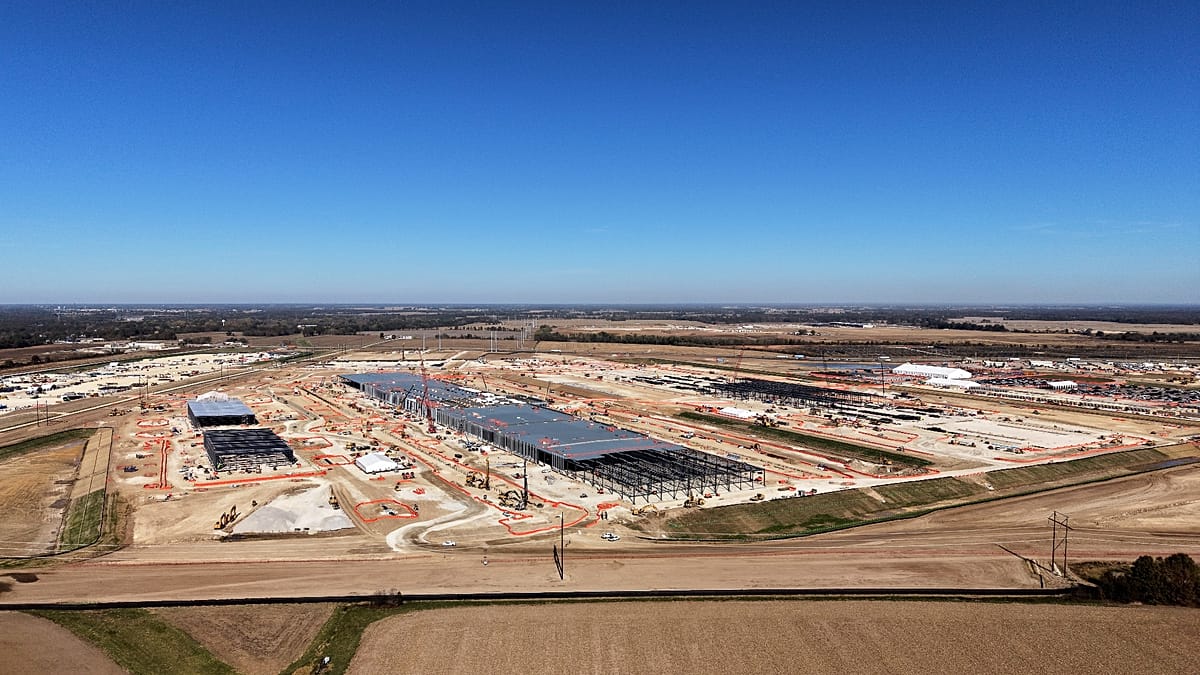
Photo: Euronews
Key points
- Data centre power demand could reach 1,000 terawatt-hours by 2030.
- Global carbon emissions from these facilities are projected to rise 70 percent.
- Shortages of copper, transformers, and cables threaten grid expansion plans.
The International Energy Agency released a report warning that electricity consumption by data centres could surge to 1,000 terawatt-hours annually by 2030. According to the findings, this massive spike in power demand risks straining local energy grids, potentially delaying new infrastructure projects and pushing global carbon emissions up by 70 percent.
The agency highlighted specific developments in Finland, the United Kingdom, and the United States—particularly in states such as Virginia and Texas—where digital infrastructure expansion is already colliding with regional supply limits. Furthermore, global peak electricity demand is projected to climb by up to 50 percent by 2035, requiring governments and utilities to massively accelerate grid investments, including the addition and refurbishment of tens of millions of kilometres of power lines.
Shortages of essential materials such as copper, cables, and transformers are currently compounding the challenge, with required grid spending expected to jump 75 percent over the next ten years. This projected strain coincides with mounting public pushback across the United States and Europe, where local communities have raised concerns over the heavy demands data facilities place on regional land, water supplies, and public infrastructure.
The stakes
Governments face difficult policy trade-offs between supporting lucrative digital infrastructure investments and protecting local energy security and climate targets. If grid upgrades fail to keep pace with demand, public resistance could stall the expansion of the technology sector while driving up electricity costs for households.
Two readings
- Supporters view the surge in demand as a vital indicator of digital and economic growth, arguing that targeted state investments in grid modernization will ultimately modernize national energy systems.
- Critics contend that unchecked data centre expansion threatens emissions reduction goals and places an unfair burden on local communities through higher utility bills and resource depletion.
Source Euronews — euronews.com/2026/11/19/data-centre-energy-consumption-could-double… ↗
Read next
 ✒️Opinion & Analysis
ICJ Rules Myanmar Military Committed Genocide Against Rohingya
The International Court of Justice has found Myanmar's military guilty of genocide against the Rohingya, a ruling that damages the international standing of both Aung San…
 🕯️Democracy & Rights
Chinese teachers face rising parental pressure over personal life choices
Chinese educators are encountering a surge in unreasonable demands from parents, including complaints regarding teachers' pregnancy and maternity leave.
 🛡️War & Security
Ukraine Restricts Media Coverage of Infrastructure Damage Amid Russian Strikes
President Volodymyr Zelenskyy has issued a decree prohibiting media outlets from reporting on the impact of Russian strikes against critical infrastructure and the status…
 🏮China & Taiwan
Beijing Reaffirms Reunification Stance Following Taiwan Local Election Results
China’s Taiwan Affairs Office declared that the island’s reunification with the mainland remains inevitable, despite recent shifts in Taiwan's local political landscape.
 🇪🇺Europe
US Air Force Repels Unauthorized Drone Incursion at RAF Lakenheath
U.S. security forces at a British air base successfully countered a group of unidentified drones, amid growing concerns over potential foreign state involvement.
 ⚖️Law & Policy
India Government Proposes 50% Increase in Parliamentary Seats and Women's Reservation
The Indian government plans to introduce legislation to expand the Lok Sabha to 850 seats and mandate a 33% reservation for women in legislative bodies.