COP31 Researchers Warn Just One Percent of Climate Finance Reaches Healthcare
Researchers speaking at COP31 warned that healthcare systems receive only a fraction of global climate finance, leaving them vulnerable to extreme weather and rising temperatures.
 🌡️Energy & Climate
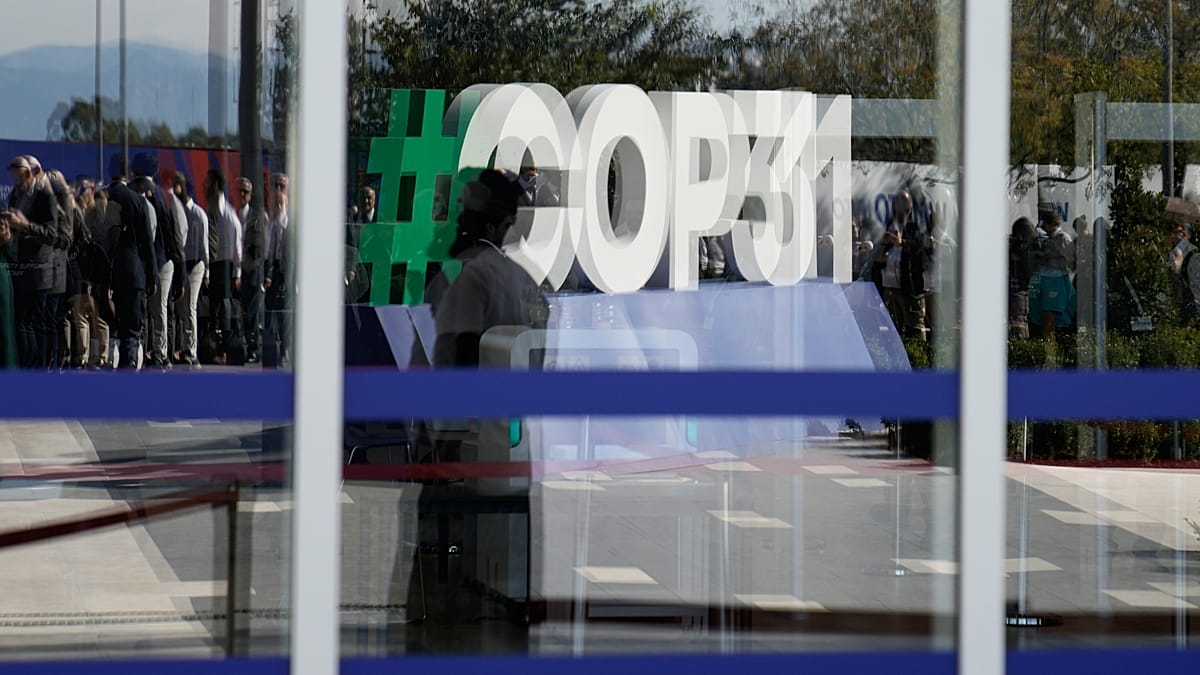
Photo: Euronews
Key points
- Only 1% of global climate finance currently targets healthcare systems.
- Extreme heat was linked to roughly 710,000 deaths worldwide in 2023.
- Countries like Brazil struggle to adapt public health networks despite having formal adaptation plans.
Global health systems are facing severe strain as only one percent of total climate finance is directed toward healthcare, researchers announced on Monday at COP31. Experts from Adelphi Research highlighted that this critical funding shortfall leaves medical infrastructure and personnel ill-prepared for mounting pressures from extreme heat, droughts, and floods.
The warning arrives alongside alarming mortality figures. Data from the Lancet Countdown report indicates that heat was linked to approximately 710,000 deaths worldwide in 2023, with the vast majority driven by human-induced climate change. Officials noted that subsequent years have intensified these hazards, pointing to United Nations estimates of over 30,000 excess summer deaths in Europe alone this year.
Developing nations with universal health coverage face distinct structural hurdles. In Brazil, researchers emphasized that deep social inequalities and extreme weather threaten the public Sistema Único de Saúde. Although the Brazilian government adopted a national climate adaptation plan featuring a health-specific sector last year, analysts argue that substantial investments remain necessary to secure remote facilities and safeguard vulnerable workers.
The stakes
Vulnerable populations and outdoor laborers in countries with limited social safety nets stand to lose the most as medical systems buckle under heat-related illnesses. If funding increases, public health networks could better protect workers and infrastructure; if it stalls, systemic healthcare failures and economic losses from lost labor days will accelerate.
Two readings
- Supporters of dedicated health funding argue that integrating medical systems into climate adaptation is a humanitarian and economic necessity that prevents catastrophic workforce losses.
- Critics or skeptics of expanding climate mandates contend that existing environmental funds should remain strictly focused on emissions reduction and green energy transition rather than social infrastructure.
Source Euronews — euronews.com/2026/11/09/health-gets-just-a-small-fraction-of-climat… ↗
Read next
 ✒️Opinion & Analysis
ICJ Rules Myanmar Military Committed Genocide Against Rohingya
The International Court of Justice has found Myanmar's military guilty of genocide against the Rohingya, a ruling that damages the international standing of both Aung San…
 🕯️Democracy & Rights
Chinese teachers face rising parental pressure over personal life choices
Chinese educators are encountering a surge in unreasonable demands from parents, including complaints regarding teachers' pregnancy and maternity leave.
 🛡️War & Security
Ukraine Restricts Media Coverage of Infrastructure Damage Amid Russian Strikes
President Volodymyr Zelenskyy has issued a decree prohibiting media outlets from reporting on the impact of Russian strikes against critical infrastructure and the status…
 🏮China & Taiwan
Beijing Reaffirms Reunification Stance Following Taiwan Local Election Results
China’s Taiwan Affairs Office declared that the island’s reunification with the mainland remains inevitable, despite recent shifts in Taiwan's local political landscape.
 🇪🇺Europe
US Air Force Repels Unauthorized Drone Incursion at RAF Lakenheath
U.S. security forces at a British air base successfully countered a group of unidentified drones, amid growing concerns over potential foreign state involvement.
 ⚖️Law & Policy
India Government Proposes 50% Increase in Parliamentary Seats and Women's Reservation
The Indian government plans to introduce legislation to expand the Lok Sabha to 850 seats and mandate a 33% reservation for women in legislative bodies.