Bering Sea Hybrid Crab Surge Challenges Alaska Fisheries Management
A massive rise in hybrid crab populations following a historic marine heatwave has created a legal and regulatory vacuum for Alaskan fisheries. Officials are now struggling to manage these undocumented species alongside depleted snow crab stocks.
 🌡️Energy & Climate
Photo: Guardian Climate
Key points
- A 2018-2019 heatwave led to a 10 billion snow crab mortality event in the Bering Sea.
- Hybrid crabs now outnumber snow crabs in commercial-sized catches, but lack official species status.
- Fishery managers face a dilemma between allowing harvest of the hybrids and protecting the recovering snow crab population.
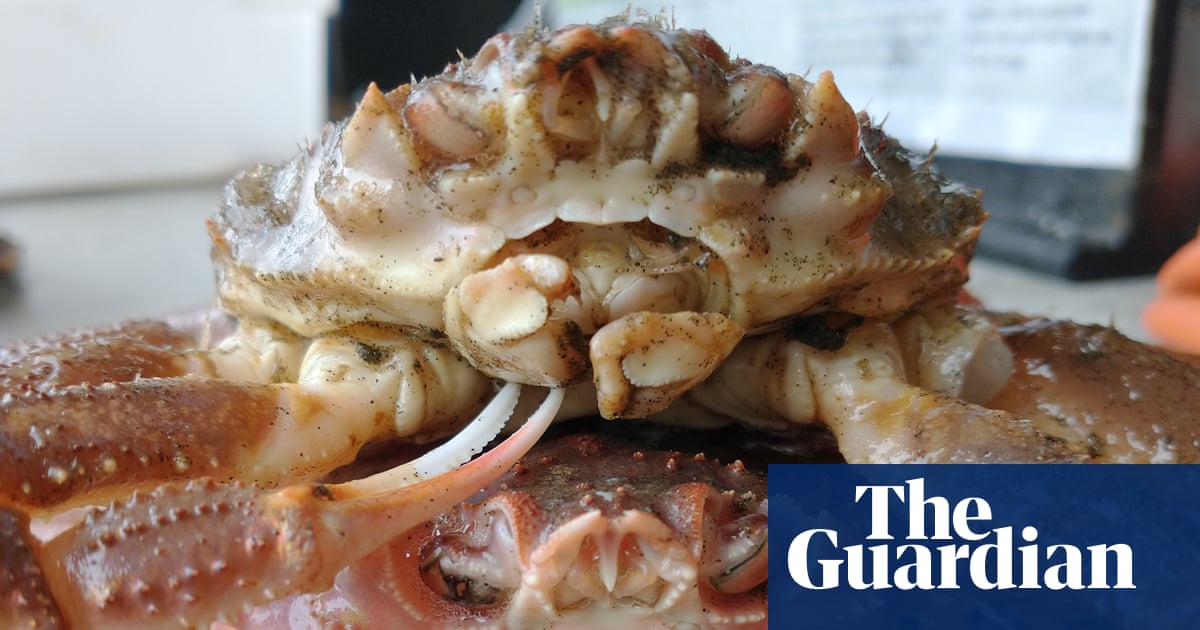
A surge in hybrid crabs in the Bering Sea has prompted urgent discussions among fishery managers as the new population now outnumbers traditional snow crabs in commercial-sized catches. The phenomenon follows an extreme 2018-2019 heatwave that decimated the region's snow crab population by approximately 10 billion, triggering a collapse that forced the closure of the fishery between 2022 and 2024.
Researchers from the National Oceanic and Atmospheric Administration (NOAA) report that these hybrids, which possess a blend of physical traits from snow and tanner crabs, are flourishing in the absence of their competitors. While the 2026 survey confirms that hybrid adult males are now the dominant species in the area, they remain legally unrecognized. According to the Alaska Department of Fish and Game, current regulations classify crabs strictly as either snow or tanner, leaving hybrids without dedicated quotas.
This regulatory gap creates significant management risks. While industry groups are pushing for separate quotas to recover economic losses, officials warn that the ecological impact of the hybrids is not yet understood. Furthermore, there is a risk that if a combined quota is established, fishing fleets may inadvertently overharvest the still-depleted snow crab population while targeting the more abundant hybrids.
The stakes
The outcome of this regulatory impasse will determine the financial viability of the Alaskan crabbing industry and the long-term survival of the snow crab species. If officials fail to create a sustainable management framework, they risk either stifling the industry's economic recovery or causing a permanent collapse of the remaining snow crab stocks through overfishing.
Two readings
- Supporters of new quotas argue that the hybrid surge represents a unique opportunity to revitalize the industry and compensate for years of catastrophic financial losses.
- Critics and regulators caution that the ecological effects of the hybrids are unknown and that premature harvesting could jeopardize the recovery of the vulnerable snow crab population.
Source Guardian Climate — theguardian.com/environment/2026/nov/21/alaska-bering-sea-heatwave-… ↗
Read next
 ✒️Opinion & Analysis
ICJ Rules Myanmar Military Committed Genocide Against Rohingya
The International Court of Justice has found Myanmar's military guilty of genocide against the Rohingya, a ruling that damages the international standing of both Aung San…
 🕯️Democracy & Rights
Chinese teachers face rising parental pressure over personal life choices
Chinese educators are encountering a surge in unreasonable demands from parents, including complaints regarding teachers' pregnancy and maternity leave.
 🛡️War & Security
Ukraine Restricts Media Coverage of Infrastructure Damage Amid Russian Strikes
President Volodymyr Zelenskyy has issued a decree prohibiting media outlets from reporting on the impact of Russian strikes against critical infrastructure and the status…
 🏮China & Taiwan
Beijing Reaffirms Reunification Stance Following Taiwan Local Election Results
China’s Taiwan Affairs Office declared that the island’s reunification with the mainland remains inevitable, despite recent shifts in Taiwan's local political landscape.
 🇪🇺Europe
US Air Force Repels Unauthorized Drone Incursion at RAF Lakenheath
U.S. security forces at a British air base successfully countered a group of unidentified drones, amid growing concerns over potential foreign state involvement.
 ⚖️Law & Policy
India Government Proposes 50% Increase in Parliamentary Seats and Women's Reservation
The Indian government plans to introduce legislation to expand the Lok Sabha to 850 seats and mandate a 33% reservation for women in legislative bodies.