South Africa Fights for Adaptation Finance at Stalled COP31 Climate Summit
Delegates at COP31 faced intense deadlock over adaptation financing and fossil fuel phase-outs, as South African coastal populations grapple with severe sea-level rises.
 🌡️Energy & Climate
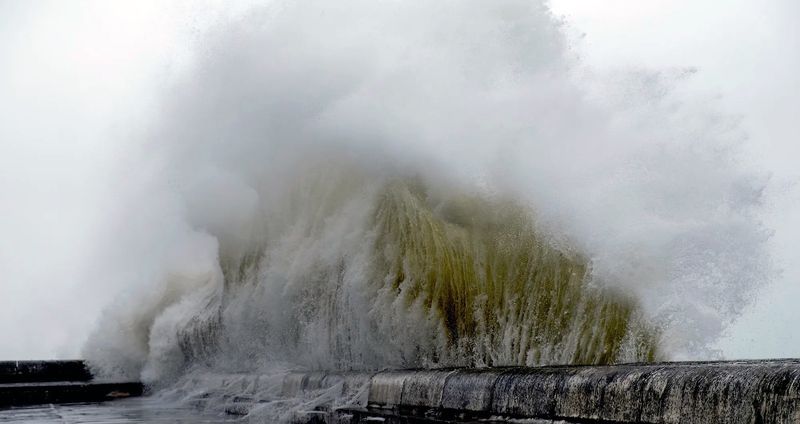
Photo: Daily Maverick
Key points
- South Africa demands $120-billion yearly adaptation finance by 2035 at COP31.
- Developed nations push back, attempting to remove targets from the final agreement.
- Rising sea levels multiply extreme coastal flooding along South African shores.
South Africa's diplomatic delegation at the COP31 climate summit has pressed for a tripling of global adaptation finance to reach $120-billion annually by 2035, running into staunch resistance from developed nations attempting to block the target from the final text. While international commitments have directed more than $1-billion toward marine ecosystems like coral reefs, domestic funding to safeguard vulnerable coastal populations remains severely constrained.
Negotiations extended into overtime as disputes over financing mechanisms and timelines for fossil fuel reductions stalled consensus. As part of the African Group of Negotiators, Pretoria maintains that developing nations require external financial support to implement national adaptation plans, protect fisheries, and build resilience against extreme weather along its shores.
Scientific warnings presented in Antalya underscored the urgency of the diplomatic standoff. Reports from the United Nations Environment Programme and the International Cryosphere Climate Initiative indicated that breaching the 1.5°C threshold is nearly unavoidable, with melting polar ice driving sea-level increases that have drastically amplified extreme coastal flooding frequencies across South Africa.
The stakes
If the financial targets are adopted, developing coastal economies stand to receive crucial resources for disaster risk reduction and infrastructure protection; without them, vulnerable villages face escalating environmental collapse and displacement amid international diplomatic inertia.
Two readings
- Supporters argue that tripling adaptation funds is a moral and financial obligation for wealthier nations most responsible for historic global emissions.
- Critics contend that broader financing demands often lack accountable implementation structures and fail to address fundamental domestic decarbonization requirements.
Source Daily Maverick — dailymaverick.co.za/article/2026-11-22-as-cop31-sounds-climate-warn… ↗
Read next
 ✒️Opinion & Analysis
ICJ Rules Myanmar Military Committed Genocide Against Rohingya
The International Court of Justice has found Myanmar's military guilty of genocide against the Rohingya, a ruling that damages the international standing of both Aung San…
 🕯️Democracy & Rights
Chinese teachers face rising parental pressure over personal life choices
Chinese educators are encountering a surge in unreasonable demands from parents, including complaints regarding teachers' pregnancy and maternity leave.
 🛡️War & Security
Ukraine Restricts Media Coverage of Infrastructure Damage Amid Russian Strikes
President Volodymyr Zelenskyy has issued a decree prohibiting media outlets from reporting on the impact of Russian strikes against critical infrastructure and the status…
 🏮China & Taiwan
Beijing Reaffirms Reunification Stance Following Taiwan Local Election Results
China’s Taiwan Affairs Office declared that the island’s reunification with the mainland remains inevitable, despite recent shifts in Taiwan's local political landscape.
 🇪🇺Europe
US Air Force Repels Unauthorized Drone Incursion at RAF Lakenheath
U.S. security forces at a British air base successfully countered a group of unidentified drones, amid growing concerns over potential foreign state involvement.
 ⚖️Law & Policy
India Government Proposes 50% Increase in Parliamentary Seats and Women's Reservation
The Indian government plans to introduce legislation to expand the Lok Sabha to 850 seats and mandate a 33% reservation for women in legislative bodies.