COP31 Climate Talks Collapse in Turkey Amid Global Diplomatic Stagnation
UN climate negotiations in Antalya concluded without a political agreement, casting doubt on the efficacy of the traditional consensus-based diplomatic process.
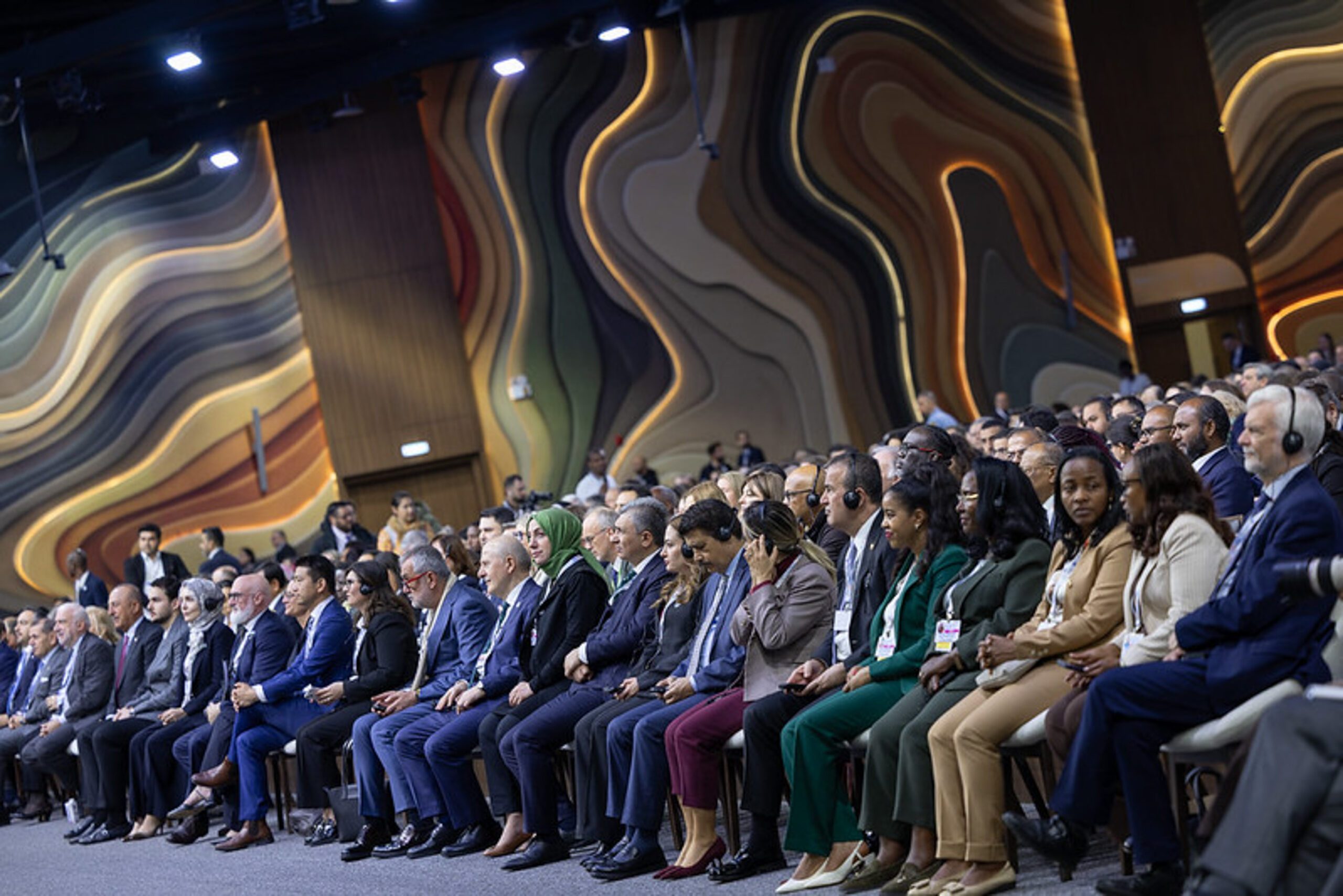 🌡️Energy & Climate
Photo: Rappler
Key points
- COP31 concluded in Turkey without a final political agreement.
- UN climate chief Simon Stiell is seeking reforms to the consensus-based system.
- The absence of U.S. leadership and the influence of major oil producers hindered progress.
The COP31 climate summit in Turkey concluded on November 22, 2026, without a final political agreement, marking a significant setback for international climate diplomacy. Negotiators and observers expressed concern that the current framework, which has guided global environmental policy for three decades, is struggling to address the urgent needs of vulnerable nations facing rising sea levels and extreme weather.
UN climate chief Simon Stiell acknowledged the failure but insisted the system remains viable if reformed. He announced plans to engage external experts to propose structural changes to the consensus-based model. The absence of strong leadership from major powers, particularly following the United States' withdrawal from the process under President Donald Trump, was cited by delegates as a primary obstacle to finding common ground.
Despite the diplomatic impasse, some experts suggest the relevance of these summits is shifting as renewable energy becomes economically viable independently of international mandates. China continues to play a pivotal role as a major exporter of low-carbon technology, while smaller coalitions of nations are increasingly bypassing the main COP process to form targeted alliances focused on specific initiatives like methane reduction and forestry.
The stakes
The failure to secure a deal leaves small, climate-vulnerable nations without promised financial support and weakens the global framework for collective action. If the COP process continues to falter, power may shift entirely toward fragmented, smaller diplomatic alliances and market-driven transitions, potentially leaving the most at-risk countries without a platform to demand global accountability.
Two readings
- Supporters of the current process argue that the intense opposition from major oil producers like Saudi Arabia proves that climate negotiations are finally pushing meaningful change that threatens fossil fuel interests.
- Critics contend that the collapse demonstrates the obsolescence of the current UN model, arguing that the lack of major power backing and the reliance on total consensus have rendered the summits ineffective.
Source Rappler — rappler.com/world/global-affairs/can-climate-diplomacy-build-collap… ↗
Read next
 ✒️Opinion & Analysis
ICJ Rules Myanmar Military Committed Genocide Against Rohingya
The International Court of Justice has found Myanmar's military guilty of genocide against the Rohingya, a ruling that damages the international standing of both Aung San…
 🕯️Democracy & Rights
Chinese teachers face rising parental pressure over personal life choices
Chinese educators are encountering a surge in unreasonable demands from parents, including complaints regarding teachers' pregnancy and maternity leave.
 🛡️War & Security
Ukraine Restricts Media Coverage of Infrastructure Damage Amid Russian Strikes
President Volodymyr Zelenskyy has issued a decree prohibiting media outlets from reporting on the impact of Russian strikes against critical infrastructure and the status…
 🏮China & Taiwan
Beijing Reaffirms Reunification Stance Following Taiwan Local Election Results
China’s Taiwan Affairs Office declared that the island’s reunification with the mainland remains inevitable, despite recent shifts in Taiwan's local political landscape.
 🇪🇺Europe
US Air Force Repels Unauthorized Drone Incursion at RAF Lakenheath
U.S. security forces at a British air base successfully countered a group of unidentified drones, amid growing concerns over potential foreign state involvement.
 ⚖️Law & Policy
India Government Proposes 50% Increase in Parliamentary Seats and Women's Reservation
The Indian government plans to introduce legislation to expand the Lok Sabha to 850 seats and mandate a 33% reservation for women in legislative bodies.