COP31 Climate Talks Collapse Without Agreement Over Fossil Fuels and Finance
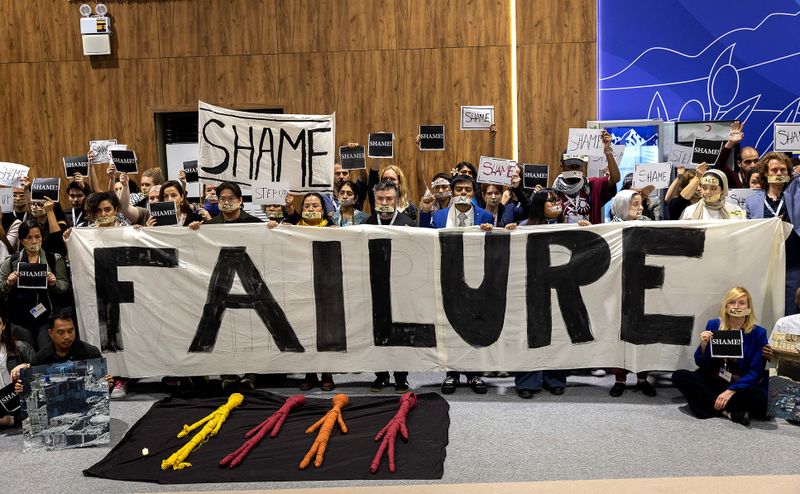
Nearly 200 nations failed to reach a consensus at COP31 after deep divisions over phasing out fossil fuels and providing adequate climate finance led to the collapse of the talks.
 🌡️Energy & Climate
Photo: Daily Maverick
Key points
- COP31 talks collapsed on Sunday, 22 November, after failing to reach consensus.
- The EU and UK rejected the deal because it omitted fossil fuel phase-out language.
- Developing nations criticized the lack of concrete climate finance commitments.
COP31 President Murat Kurum concluded the UN climate conference on Sunday, 22 November, after delegates failed to secure a new global agreement following the longest negotiations in the history of the summit. The conference, jointly presided over by Turkey and Australia, stalled as delegates divided over financial commitments and the treatment of fossil fuels in the text.
The proposed Antalya pact urged nations to limit the 1.5°C temperature overshoot and asked developed economies such as the EU and the UK to provide climate adaptation finance for developing states. However, the final draft omitted any reference to transitioning away from fossil fuels. Initial drafts had mentioned phasing out hydrocarbons, but those provisions were removed following resistance from major oil-producing countries including Saudi Arabia, India, and China.
Ireland's environment minister Darragh O’Brien, speaking for the European Union, rejected the final text, stating that it failed to address the primary driver of the climate crisis. Simultaneously, developing nations expressed frustration over financial provisions. The African Group of Negotiators pushed for a clear pathway to triple adaptation finance to at least $120-billion annually by 2035, a demand that remained unmet in the final document.
UN Secretary-General António Guterres expressed deep disappointment over the deadlock, while COP31 negotiation president Chris Bowen defended the party-driven consensus model as difficult but necessary.
The stakes
The collapse of COP31 weakens multilateral momentum on binding global climate commitments, leaving a policy vacuum on international adaptation funding and emissions reduction timelines. Developing economies stand to lose critical adaptation resources, while fossil fuel-producing states maintain regulatory breathing room.
Two readings
- Supporters of the rejection argue that endorsing a text without explicit fossil fuel phase-out language undermines the integrity of global climate goals and compromises scientific realities.
- Critics of the collapse contend that rigid maximalist demands derailed a pragmatic compromise, stalling vital financial mechanisms needed by vulnerable nations immediately.
Source Daily Maverick — dailymaverick.co.za/article/2026-11-23-longest-ever-un-climate-talk… ↗
Read next
 ✒️Opinion & Analysis
ICJ Rules Myanmar Military Committed Genocide Against Rohingya
The International Court of Justice has found Myanmar's military guilty of genocide against the Rohingya, a ruling that damages the international standing of both Aung San…
 🕯️Democracy & Rights
Chinese teachers face rising parental pressure over personal life choices
Chinese educators are encountering a surge in unreasonable demands from parents, including complaints regarding teachers' pregnancy and maternity leave.
 🛡️War & Security
Ukraine Restricts Media Coverage of Infrastructure Damage Amid Russian Strikes
President Volodymyr Zelenskyy has issued a decree prohibiting media outlets from reporting on the impact of Russian strikes against critical infrastructure and the status…
 🏮China & Taiwan
Beijing Reaffirms Reunification Stance Following Taiwan Local Election Results
China’s Taiwan Affairs Office declared that the island’s reunification with the mainland remains inevitable, despite recent shifts in Taiwan's local political landscape.
 🇪🇺Europe
US Air Force Repels Unauthorized Drone Incursion at RAF Lakenheath
U.S. security forces at a British air base successfully countered a group of unidentified drones, amid growing concerns over potential foreign state involvement.
 ⚖️Law & Policy
India Government Proposes 50% Increase in Parliamentary Seats and Women's Reservation
The Indian government plans to introduce legislation to expand the Lok Sabha to 850 seats and mandate a 33% reservation for women in legislative bodies.