UN Climate Chief Warns Fossil Fuel Prices Are Spreading Inflation Globally at Cop31
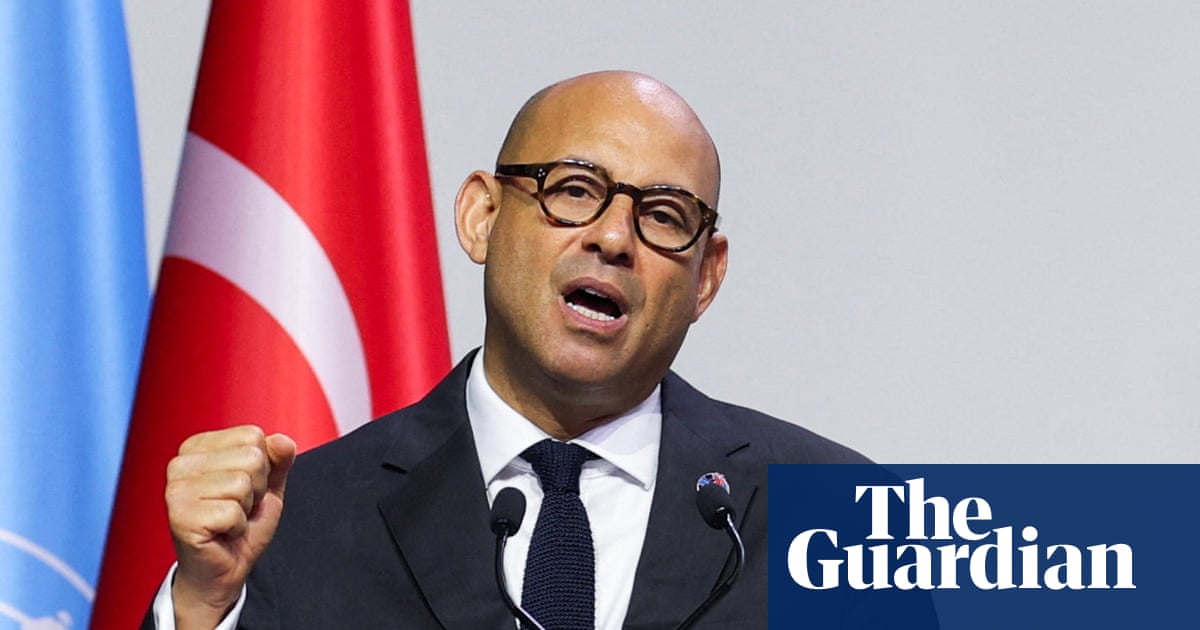
UN climate chief Simon Stiell warned delegates at the Cop31 summit in Turkey that fossil fuel price volatility is driving global inflation, as nations debate accelerated electrification goals.
 🌡️Energy & Climate
Photo: Guardian World
Key points
- UN climate chief Simon Stiell warns fossil fuel price volatility drives global inflation.
- Cop31 summit opens in Turkey with nearly 200 countries debating a new 2035 electrification goal.
- Leaders debate how to manage the impending overshoot of the 1.5C Paris Agreement temperature limit.
Delegates from nearly 200 countries gathered in Turkey for the opening plenary of the Cop31 climate talks, where UN climate chief Simon Stiell delivered a stark warning that high fossil fuel prices are spreading inflation globally "like a cancer." Addressing the summit, Stiell and conference leaders from Australia and Turkey pressed for an ambitious new electrification target as an alternative to a global economy tethered to oil, coal, and gas.
The negotiations opened under intense scrutiny following warnings from scientists that global heating is on track to breach the 1.5C Paris Agreement limit within three to five years. Australia’s climate change minister and conference president, Chris Bowen, acknowledged that the 1.5C threshold will likely be overshot but insisted that swift, unified action can bring temperatures back down. Meanwhile, UN Secretary-General António Guterres urged world leaders to accelerate emission cuts and secure climate finance for vulnerable nations.
Host Turkey and negotiation lead Australia are championing a voluntary goal to increase electricity's share of final energy consumption from one-fifth to one-third over the next decade. International Energy Agency executive director Dr Fatih Birol expressed strong backing for the target, noting it would send a clear signal to global markets following the 2023 agreement to triple renewable energy capacity by 2030.
The stakes
Developing nations and small island states stand to gain if binding financial commitments and aggressive renewable targets are secured, while fossil-fuel-reliant economies risk facing severe diplomatic and economic isolation as the global shift toward electrification accelerates.
Two readings
- Supporters view the Cop31 summit as an essential turning point to institutionalize the age of electricity and protect vulnerable populations from unchecked global heating.
- Critics argue that current national pledges remain entirely inadequate, warning that discussing temperature overshoot normalizes policy failure and evades immediate accountability.
Source Guardian World — theguardian.com/environment/2026/nov/09/high-fossil-fuel-prices-spr… ↗
Read next
 ✒️Opinion & Analysis
ICJ Rules Myanmar Military Committed Genocide Against Rohingya
The International Court of Justice has found Myanmar's military guilty of genocide against the Rohingya, a ruling that damages the international standing of both Aung San…
 🕯️Democracy & Rights
Chinese teachers face rising parental pressure over personal life choices
Chinese educators are encountering a surge in unreasonable demands from parents, including complaints regarding teachers' pregnancy and maternity leave.
 🛡️War & Security
Ukraine Restricts Media Coverage of Infrastructure Damage Amid Russian Strikes
President Volodymyr Zelenskyy has issued a decree prohibiting media outlets from reporting on the impact of Russian strikes against critical infrastructure and the status…
 🏮China & Taiwan
Beijing Reaffirms Reunification Stance Following Taiwan Local Election Results
China’s Taiwan Affairs Office declared that the island’s reunification with the mainland remains inevitable, despite recent shifts in Taiwan's local political landscape.
 🇪🇺Europe
US Air Force Repels Unauthorized Drone Incursion at RAF Lakenheath
U.S. security forces at a British air base successfully countered a group of unidentified drones, amid growing concerns over potential foreign state involvement.
 ⚖️Law & Policy
India Government Proposes 50% Increase in Parliamentary Seats and Women's Reservation
The Indian government plans to introduce legislation to expand the Lok Sabha to 850 seats and mandate a 33% reservation for women in legislative bodies.