Key Global Players and Political Tensions at COP31 Climate Summit
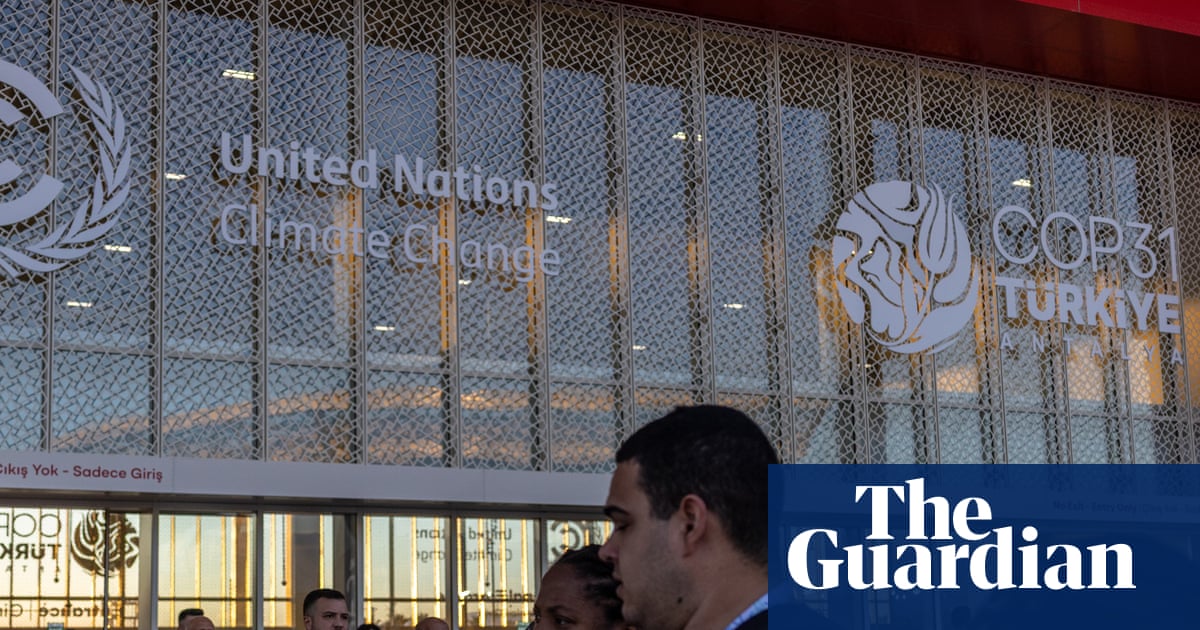
The COP31 climate summit in Antalya, Turkey, begins amid diplomatic friction between host Australia and Turkey, while key world leaders navigate conflicting domestic energy priorities.
 🌡️Energy & Climate
Photo: Guardian World
Key points
- Australia and Turkey manage a strained hosting partnership for the COP31 climate negotiations.
- Global leaders navigate conflicting interests between domestic fossil fuel reliance and renewable energy investment.
- The UK prepares to use its upcoming G20 presidency to emphasize climate resilience efforts.
The COP31 climate summit, hosted in Antalya, Turkey, commences following a contentious bidding process that left the partnership between Australia and Turkey strained. While Australian Prime Minister Anthony Albanese secured the hosting rights, his government has faced criticism for a perceived lack of enthusiasm, with Climate and Energy Minister Chris Bowen tasked with managing the delicate balance between promoting fossil fuel exports and advancing clean energy transitions.
The summit occurs against a backdrop of regional influence from petrostates, as Turkey’s government prioritizes its own agenda on waste reduction and the circular economy. Meanwhile, global leaders are balancing disparate domestic pressures. Brazilian President Lula da Silva arrives with non-binding roadmaps for deforestation and fossil fuel transitions, while China’s delegation, operating under President Xi Jinping’s absence, continues to navigate its role as both a leading carbon emitter and a major investor in renewable infrastructure.
The United States remains notably absent from the formal delegation process, reflecting the political volatility surrounding the current administration’s withdrawal from the UN climate framework. Conversely, UK Prime Minister Andy Burnham and Foreign Secretary Ed Miliband are expected to leverage the event to prepare for the UK’s upcoming G20 presidency, focusing on climate resilience and international bridge-building.
The stakes
The success of COP31 hinges on whether major economies can align their industrial policies with global decarbonization targets. If negotiations fail to produce concrete commitments, the influence of fossil-fuel-reliant nations may solidify, potentially stalling international progress on the transition to clean energy and exacerbating climate-related instability.
Two readings
- Supporters view the summit as a vital platform for electrification and a necessary step toward displacing fossil fuels through global cooperation.
- Critics argue that the event is undermined by the participation of petrostates and the lack of firm, binding deadlines for major emitters.
Source Guardian World — theguardian.com/environment/2026/nov/08/cop31-key-players-climate-t… ↗
Read next
 ✒️Opinion & Analysis
ICJ Rules Myanmar Military Committed Genocide Against Rohingya
The International Court of Justice has found Myanmar's military guilty of genocide against the Rohingya, a ruling that damages the international standing of both Aung San…
 🕯️Democracy & Rights
Chinese teachers face rising parental pressure over personal life choices
Chinese educators are encountering a surge in unreasonable demands from parents, including complaints regarding teachers' pregnancy and maternity leave.
 🛡️War & Security
Ukraine Restricts Media Coverage of Infrastructure Damage Amid Russian Strikes
President Volodymyr Zelenskyy has issued a decree prohibiting media outlets from reporting on the impact of Russian strikes against critical infrastructure and the status…
 🏮China & Taiwan
Beijing Reaffirms Reunification Stance Following Taiwan Local Election Results
China’s Taiwan Affairs Office declared that the island’s reunification with the mainland remains inevitable, despite recent shifts in Taiwan's local political landscape.
 🇪🇺Europe
US Air Force Repels Unauthorized Drone Incursion at RAF Lakenheath
U.S. security forces at a British air base successfully countered a group of unidentified drones, amid growing concerns over potential foreign state involvement.
 ⚖️Law & Policy
India Government Proposes 50% Increase in Parliamentary Seats and Women's Reservation
The Indian government plans to introduce legislation to expand the Lok Sabha to 850 seats and mandate a 33% reservation for women in legislative bodies.