Western Sanctions Cut Off Russian Access to Wildlife Satellite Tracking
French satellite tracking operator CLS has halted services for Russian users due to sanctions and payment difficulties, blinding researchers and conservationists tracking wildlife and environmental changes.
 🌡️Energy & Climate
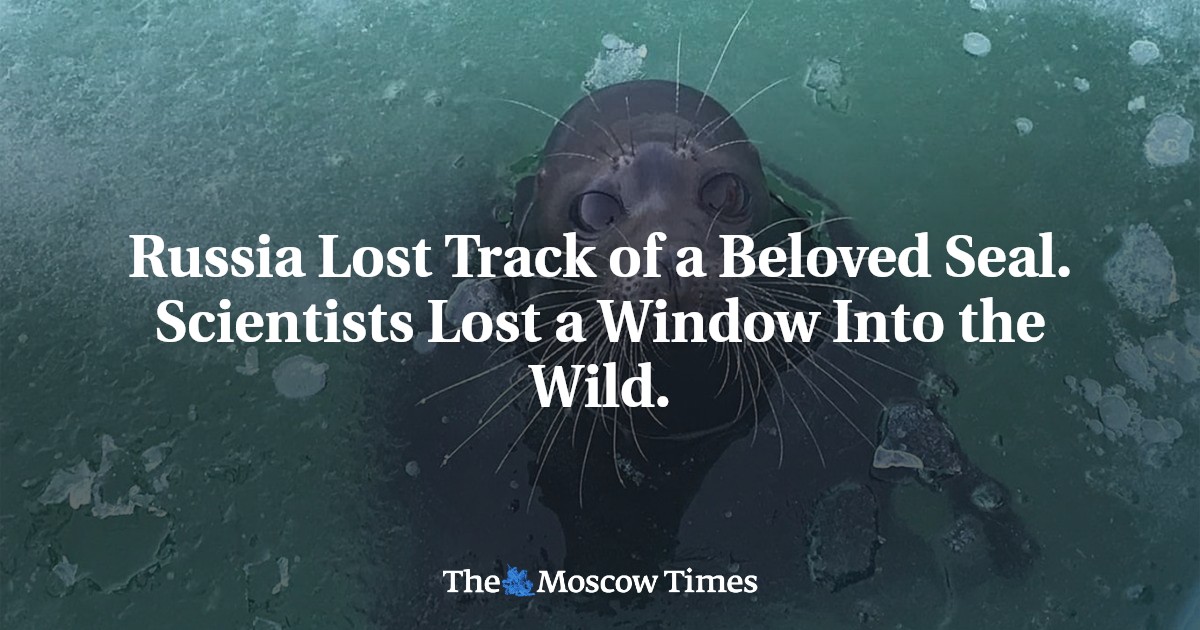
Photo: Moscow Times
Key points
- French operator CLS halted Argos satellite tracking services for Russian users.
- Sanctions and payment difficulties forced the cutoff, according to developers.
- Researchers lost tracking data for seals, tigers, reindeer, and Arctic climate instruments.
French satellite tracking operator CLS halted all services for Russian users on November 1, blocking local access to the global Argos system and abruptly terminating tracking programs for endangered species, marine mammals, and environmental research across the country. The cutoff severed data feeds for projects ranging from the monitoring of Lake Baikal seals and Arctic sea ice to the tracking of endangered Amur tigers and wild reindeer.
The disruption directly affected high-profile conservation efforts, including the Baltic Seal Friends Foundation, which lost satellite contact with Kroshik, a rescued ringed seal released into Lake Ladoga after a decade in rehabilitation. Representatives for the foundation announced that tracking data ceased two months after his release due to the French company's operational restrictions and payment processing hurdles linked to international sanctions against Moscow.
Alexander Salman, a developer of wildlife tracking collars in Russia, noted that the country's ecological research relied heavily on the Argos infrastructure for decades. Conservationists warned that the loss of real-time telemetry not only halts migration and climate studies, but also strips away a vital protective barrier for tagged animals against poachers and fishermen who might otherwise target them without fear of satellite surveillance.
The stakes
Russian environmental scientists and conservationists lose critical observational data on endangered wildlife and Arctic climate shifts, while international sanctions tighten scientific isolation. If domestic tracking alternatives cannot be rapidly developed, long-term ecological research and monitoring programs face permanent disruption.
Two readings
- Supporters of the service cutoff view the measures as a necessary enforcement of international sanctions that isolates Russian technical infrastructure and prevents dual-use technological utilization.
- Critics and environmental scientists argue that the restrictions unfairly penalize wildlife conservation, blind researchers to climate change indicators, and endanger vulnerable animal populations by removing anti-poaching deterrents.
Source Moscow Times — themoscowtimes.com/2026/11/26/russia-lost-track-of-a-beloved-seal-s… ↗
Read next
 ✒️Opinion & Analysis
ICJ Rules Myanmar Military Committed Genocide Against Rohingya
The International Court of Justice has found Myanmar's military guilty of genocide against the Rohingya, a ruling that damages the international standing of both Aung San…
 🕯️Democracy & Rights
Chinese teachers face rising parental pressure over personal life choices
Chinese educators are encountering a surge in unreasonable demands from parents, including complaints regarding teachers' pregnancy and maternity leave.
 🛡️War & Security
Ukraine Restricts Media Coverage of Infrastructure Damage Amid Russian Strikes
President Volodymyr Zelenskyy has issued a decree prohibiting media outlets from reporting on the impact of Russian strikes against critical infrastructure and the status…
 🏮China & Taiwan
Beijing Reaffirms Reunification Stance Following Taiwan Local Election Results
China’s Taiwan Affairs Office declared that the island’s reunification with the mainland remains inevitable, despite recent shifts in Taiwan's local political landscape.
 🇪🇺Europe
US Air Force Repels Unauthorized Drone Incursion at RAF Lakenheath
U.S. security forces at a British air base successfully countered a group of unidentified drones, amid growing concerns over potential foreign state involvement.
 ⚖️Law & Policy
India Government Proposes 50% Increase in Parliamentary Seats and Women's Reservation
The Indian government plans to introduce legislation to expand the Lok Sabha to 850 seats and mandate a 33% reservation for women in legislative bodies.